News
The beauty underground: Inside South Africa’s unregulated aesthetics industry
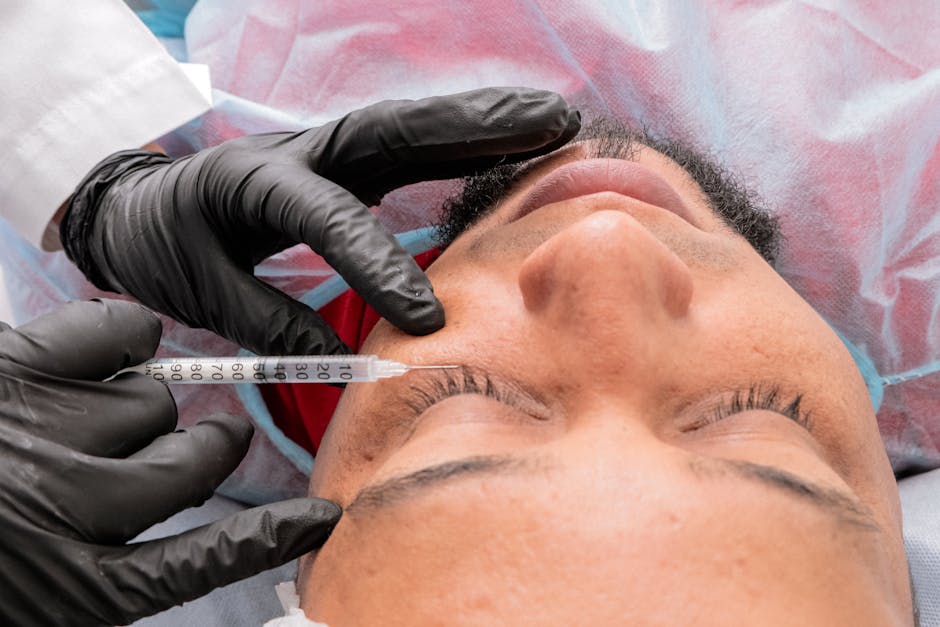
South Africa’s booming non-surgical aesthetics sector has created a rapidly expanding underground market where invasive cosmetic procedures are being offered outside regulated healthcare environments, industry sources and regulators warn.
From social media glamour to clinical risk
Influencer culture, TikTok trends and cheaper prices have helped grow the market for non-surgical cosmetic treatments over the past five years. Procedures once largely performed in specialist medical settings are now widely advertised on Instagram reels, WhatsApp and booking platforms, and consumers increasingly discover providers through viral before-and-after content rather than healthcare referrals.
Case study: Sir Tim Aesthetics
A Johannesburg-based studio, Sir Tim Aesthetics, operating from Rivonia Boulevard in Sandton under the Instagram handle @_sir_tim, markets treatments that include microneedling, chemical peels, slimming treatments, permanent makeup and professional training courses. Its online branding is driven by social media and booking-platform reviews highlight dramatic transformations and affordable prices.
IOL sent a list of questions to Sir Tim Aesthetics on Thursday, May 21, asking about practitioner qualifications, product sourcing, medical oversight, accreditation and patient safety protocols. No response was received by the time of publication. IOL also asked whether trainees were informed about legal limits on non-medical practice and whether weight-loss treatments used injectable agents; again, no answers were received. Sir Tim Aesthetics’ Instagram profile and booking systems remain active.
Regulators and medical professionals raise alarms
Medical experts and regulators say the line between beauty therapy and medical practice is blurring, with potentially serious consequences when invasive techniques are treated as routine salon services. A Johannesburg-based clinical dermatologist who requested anonymity said:
“When you are penetrating skin, using strong acids, injecting substances or altering tissue structures, you move into a clinical risk environment.”
The Health Professions Council of South Africa (HPCSA) has repeatedly warned that invasive aesthetic procedures may only legally be performed by appropriately qualified and registered healthcare practitioners, and that practising medicine without HPCSA registration is a criminal offence under South African law. The HPCSA also reiterated:
“Section 34 of the Act is clear. No person may practise a registered health profession in South Africa unless they are formally registered in terms of the law.”
Aesthetic physician Dr Ishmael Mohammad warned earlier this year about illegal injectors:
“Injecting patients without being registered with the HPCSA is illegal and can amount to assault, fraud or impersonating a medical practitioner. Any legitimate doctor should be willing to provide their HPCSA registration number.”
Products, training and the black market
Regulators and industry groups say many unregistered practitioners cannot access regulated medical supply chains and that black-market products have entered the cosmetics ecosystem. One industry investigation cited in the reporting warned:
“The biggest problem with black market products is that we don’t know what’s in them. There is no recourse if something goes wrong, and no guarantee that the product is safe.”
True deep chemical peels and other aggressive procedures require medical screening, controlled application and extensive aftercare, experts say. The anonymous Johannesburg dermatologist noted that, particularly in darker skin types, aggressive peeling without proper protocols can cause permanent damage.
Training concerns
Across Gauteng, salons and studios increasingly advertise short courses promising to certify members of the public in advanced procedures. Sir Tim Aesthetics advertises professional training and promotes an event in partnership with Inala Skin Lab in Eswatini. An undercover call to Inala for the event reportedly indicated no medical background was required to be taught to inject, and that products used by Sir Tim were self-formulated. The reporting states South Africa lacks a unified regulatory framework governing many non-medical aesthetic training programmes.
Confirmed harms and enforcement challenges
The Gauteng Department of Health confirmed that two patients in Ekurhuleni were hospitalised with severe complications, including organ failure, after using unregulated injectable substances linked to body-enhancement procedures. Department spokesperson Steve Mabona said preliminary investigations indicated the substances were distributed outside regulated healthcare systems and:
“These substances are being accessed outside regulated healthcare environments and, in some instances, are supplied directly to individuals together with equipment for self-administration. The products are not approved for human use and their composition remains unknown.”
Enforcement is complicated because many aesthetic businesses operate through social media accounts, WhatsApp bookings and rented commercial spaces that can rapidly change names or locations. Regulators and healthcare organisations describe a fragmented underground industry that is expanding faster than it can be policed.
What patients are left to ask
The basic questions IOL sought from Sir Tim Aesthetics reflect what medical bodies say clients should request before undergoing invasive procedures: who is performing the treatment; what qualifications they hold; what products are being used; and what happens if complications arise. The investigation concludes that in South Africa’s growing aesthetics underground, those answers are increasingly difficult to obtain and that silence from providers may itself be a warning sign.
Follow Joburg ETC on Facebook, Twitter, TikTok and Instagram
For more News in Johannesburg, visit joburgetc.com
Source: iol.co.za