News
Gauteng defends Amapanyaza wardens as ‘legal’ after KZN police chief called them illegal
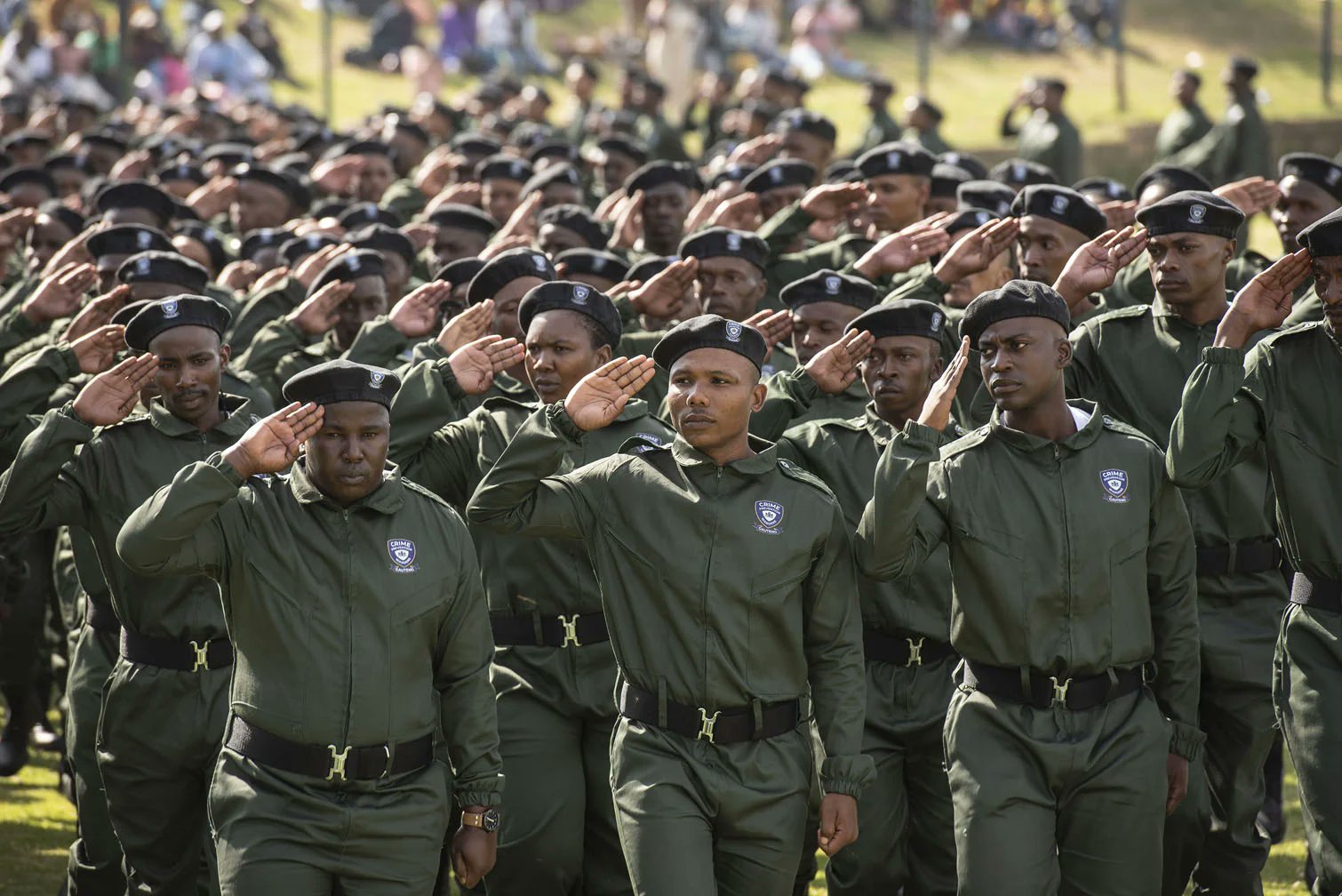
The Gauteng provincial government has rejected claims that its crime prevention wardens known as Amapanyaza are an illegal entity, saying the unit has been legally designated and now performs the duties of traffic officers.
What prompted the dispute
The defence comes after KwaZulu-Natal Police Commissioner Lieutenant General Nhlanhla Mkhwanazi told parliamentarians that the unit is illegal and that he had advised against its formation. In parliament he said:
“I raised that in the [police board of commissioners] and I said this is illegal. It is against the law; the premier must be advised. He’s got good intentions, but it cannot be done.”
Gauteng’s response
Elijah Mhlanga, a spokesperson for the Gauteng provincial government, refuted Mkhwanazi’s claims and said the province “rejects the assertion that the formation of the traffic wardens showed contempt for the rule of law and categorically dismisses the allegation that the Gauteng traffic wardens are an illegal entity.”
Mhlanga said the crime prevention wardens are now referred to as traffic wardens because they have legally assumed the duties of Gauteng traffic officers. He pointed to an official designation in December 2023, when the Minister of Justice and Correctional Services, Mr. Ronald Lamola, designated the crime prevention wardens as peace officers in terms of Section 334 of the Criminal Procedure Act of 1977. According to Mhlanga, that designation “granted them the same legal status as Gauteng traffic officers.”
Programme background and purpose
The Amapanyaza wardens are part of Gauteng Premier Panyaza Lesufi’s Nasi Ispani programme, an initiative launched in 2023. The provincial government said the traffic wardens programme was created to support and assist the national police (Saps), not to replace them.
Mhlanga reiterated the province’s rationale, saying the initiative responded to figures the province cited showing a police-to-citizen ratio of one officer for every 541 residents in a population of about 16 million. He said the province explored a cooperative policing model used elsewhere in the country.
Legal pathway cited by the province
Mhlanga acknowledged there were legal complications with the programme’s formation but said the province had always seen a potential route through Section 334(1)(a) of the Criminal Procedure Act. He said that provision “empowers the minister of justice and correctional services to confer peace officer status on any person by virtue of their office, granting them power under the Criminal Procedure Act for any offence or designated class of offences.”
Cooperation with policing structures
The provincial spokesperson pointed to existing decentralised structures that operate alongside the South African Police Service, saying such arrangements demonstrate that limited provincial powers can coexist with the Saps. He listed examples including the Western Cape Law Enforcement Advancement Plan (LEAP), provincial traffic officers and metropolitan police services.
Firearm training remarks
Reports cited comments by former MEC for Community Safety Faith Mazibuko about firearms training for wardens. At the funeral of one of the crime wardens in the West Rand two years ago, Mazibuko was quoted:
“Our training is ongoing. We will teach you how to carry guns; some we will train how to carry rifles… If you came here and you are a coward and you are passing time with us, go and sit at home. We want brave men and women because our community members are in distress.”
What officials say now
Mhlanga insisted the traffic wardens are a legitimate and legally designated unit and said the provincial government “has no intention of litigating sweeping statements.”
Follow Joburg ETC on Facebook, Twitter, TikTok and Instagram
For more News in Johannesburg, visit joburgetc.com
Source: citizen.co.za