News
Scientists warn El Niño is likely Southern Africa urged to prepare
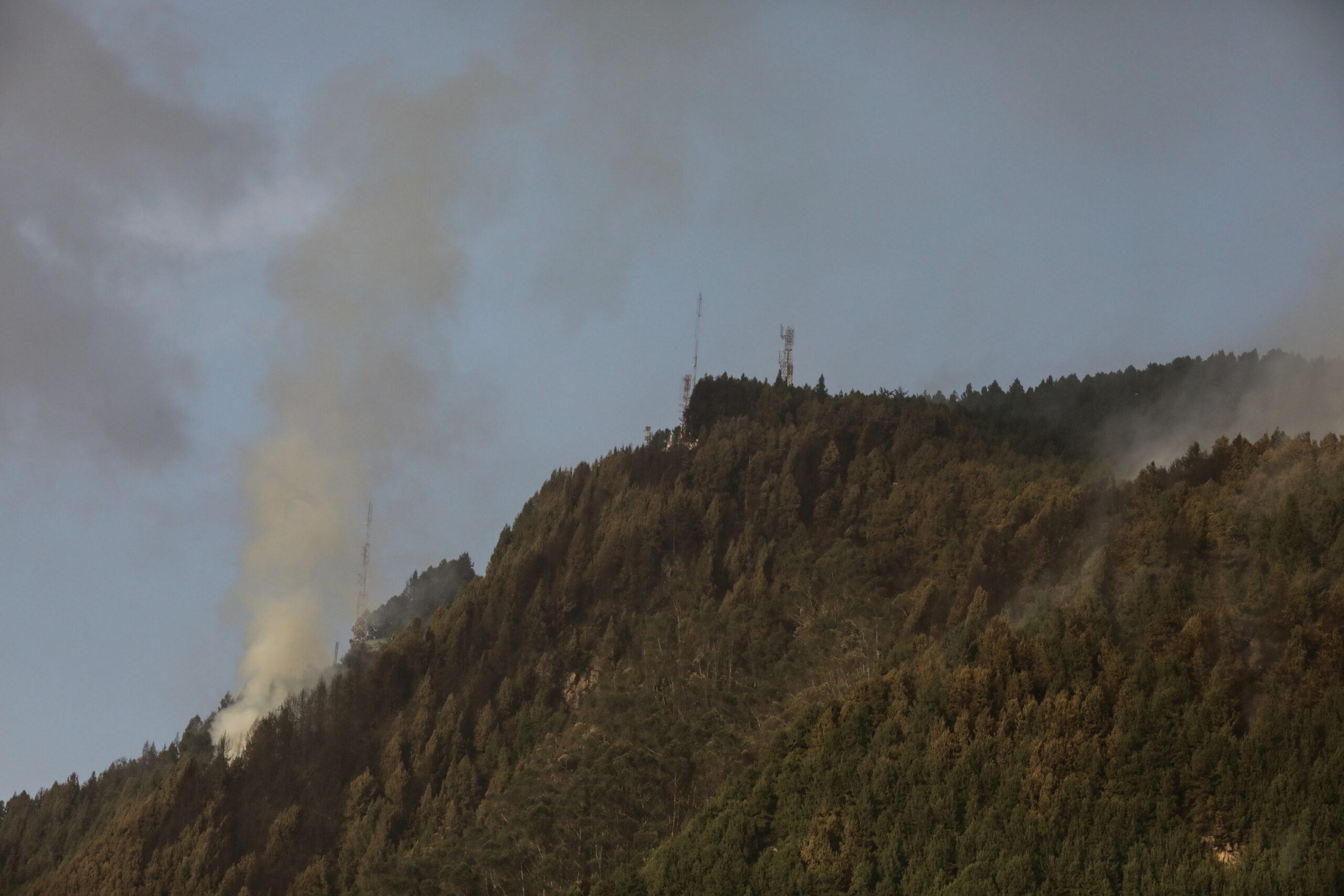
Global and regional agencies are warning a major El Niño event is highly likely in 2026, with Southern Africa identified as an area that could feel impacts early and severely. The World Meteorological Organization and the International Research Institute for Climate and Society have issued elevated probabilities of El Niño developing in the coming months, prompting calls for urgent preparedness across the region.
Scientific outlook: high likelihood of El Niño in 2026
The World Meteorological Organization (WMO) has announced an 80% likelihood of an El Niño event occurring between June and August 2026, and says probabilities of it persisting until at least November reach 90%. The International Research Institute for Climate and Society (IRI) assigns a 98% probability of El Niño conditions developing during the May–July 2026 period.
WMO and other agencies point to unusually warm waters beneath the surface of the tropical Pacific Ocean, which are reported to be as much as 6°C hotter than usual below the surface and are contributing to the rapid development of El Niño. UN Secretary-General António Guterres warned:
“The science is clear: El Niño is arriving on our doorstep in the coming months with 90% certainty. The world must treat it as the urgent climate warning it is”.
WMO Secretary-General Celeste Saulo urged international coordination, saying the world needs to “prepare for a potentially strong El Niño event – which will exacerbate drought and heavy rainfall and increase the risk of heatwaves both on land and in the ocean.”
Why Southern Africa is preparing
Southern Africa has a history of vulnerability to El Niño-related droughts. At a recent meeting in Victoria Falls, Zimbabwe, ministers from the Southern African Development Community (SADC) discussed steps to strengthen climate resilience, harmonise fertiliser approaches and control transboundary disease.
SADC Deputy Executive Secretary for Regional Integration Angèle Makombo N’Tumba said expert forecasts show a 77% probability that El Niño will affect the Southern African region by late 2026, and warned:
“We must start preparing now for such a possibility.”
She directed Member States to use the SADC Plant Genetic Resources Centre to breed drought-tolerant crop varieties.
Regional responses and recommendations
South Africa is leading regional preparedness efforts. John Steenhuisen, South Africa’s Minister of Agriculture and Chairperson of the SADC Committee of Ministers responsible for Agriculture, urged member states to fast-track regional frameworks and to harmonise fertiliser regulations to cut costs and boost resilience. He also called for strict cross-border surveillance and a “One Health” approach to mitigate the spread of animal diseases like Foot and Mouth Disease during extreme weather disruptions, saying:
“Animal diseases do not respect borders”
and that “preparedness is always less costly than prolonged outbreaks.”
Zimbabwe’s Minister of Agriculture, Dr. Anxious Jongwe Masuka, supported the urgency, reminding the region that Southern Africa is predicted to become noticeably drier in the coming decades and that immediate climate-proofing of agricultural systems is essential.
To shield the region from agricultural and economic shocks linked to El Niño, SADC ministers have recommended measures including:
- establishing SADC regional cereal reserves;
- a regional fertiliser reserve and joint fertiliser procurement mechanisms;
- establishing a Regional Foot and Mouth Disease (FMD) Vaccine Bank.
The ministers said these steps aim to protect import-dependent nations from supply disruptions and global price volatility, and to shield the livestock sector, which “sustains over 70% of the SADC population.”
What officials want next
Regional leaders are urging immediate action to implement the recommended mechanisms and to scale up preparedness measures across agriculture and animal health systems. The warnings from WMO, IRI and UN leadership underline the potential for a strong El Niño to intensify droughts, heavy rains and heatwaves, reinforcing the push for coordinated regional planning.
Follow Joburg ETC on Facebook, Twitter, TikTok and Instagram
For more News in Johannesburg, visit joburgetc.com
Source: iol.co.za