Opinion
Ramaphosa’s roadmap offers a measured response to South Africa’s immigration crisis
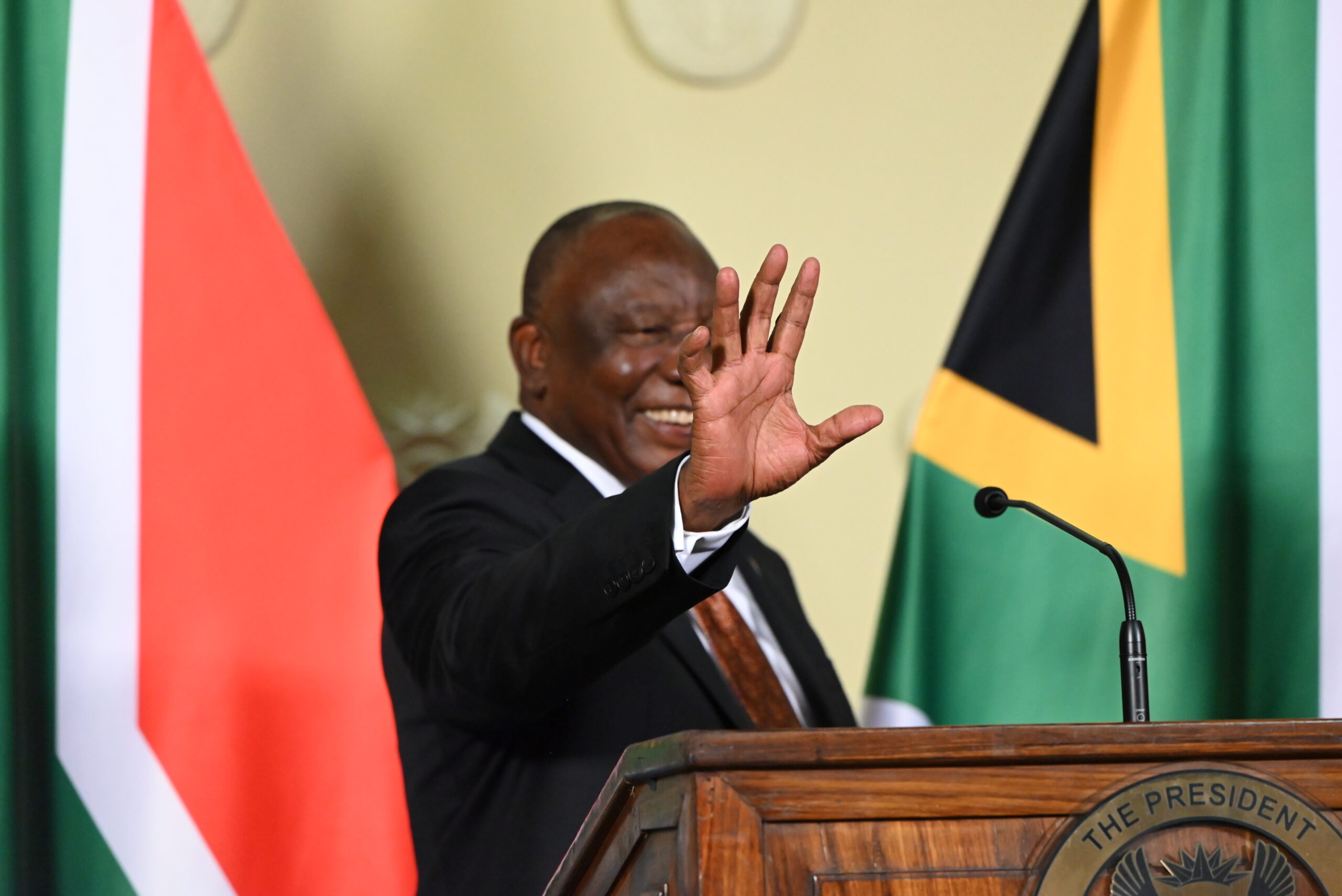
President Cyril Ramaphosa’s June 7 address set out a roadmap for tackling South Africa’s immigration challenges that, according to the author, balances firm enforcement with protection of rights and a rejection of xenophobia and lawlessness.
What the address acknowledged
The speech acknowledged public concerns over illegal immigration, pressure on public services, unemployment, crime and labour market insecurity. It also reaffirmed the rights and dignity of all people in the country and rejected xenophobia, Afrophobia, racism and lawlessness.
Drivers of anti-foreigner sentiment
The piece identifies a combination of economic, social, political and institutional factors that have contributed to rising anti-foreigner sentiment. High unemployment, declining living standards and competition in low-wage sectors are described as creating conditions where frustration seeks a visible target.
Exploitative employment practices and the informal economy are highlighted as tensions that weaken labour standards and foster resentment. The author notes that weaknesses in migration management including delays in processing documentation, administrative backlogs, corruption and inconsistent enforcement have further undermined public confidence in state institutions.
Crime, vigilantism and misinformation
The article links public concern about organised criminal activity to perceptions that transnational syndicates exploit irregular migration routes. While emphasising that the overwhelming majority of foreign nationals are law-abiding, it says the visibility of criminal networks has contributed to public fear and unfair generalisations.
It also documents instances where groups such as March to March have organised protests and issued deadlines for undocumented foreigners to leave, with some actions escalating into intimidation, violence and displacement that targeted black Africans in particular. The role of social media in spreading misinformation and sensational claims is cited as deepening divisions.
Measures announced in the roadmap
The measures set out in the President’s address are listed as: stronger border management, anti-corruption efforts, enhanced labour inspections, dedicated immigration courts and improved regional cooperation. The author adds that ending outsourcing and privatisation, plus increasing public investment in infrastructure, industrialisation and job creation, are important to relieve economic pressures.
Recommendations for implementation
The piece urges sustained engagement with a wide range of stakeholders, including communities expressing grievances, foreign nationals, refugee organisations, labour movements, business associations, faith-based institutions, traditional leaders, local government and civil society organisations. Such dialogue is presented as a way to reduce misinformation and promote practical solutions.
Transparent, regular public reporting on progress is recommended so communities can see measurable results on border management, anti-corruption initiatives, labour law enforcement and immigration reform. The author also calls for expedited processing of documentation for refugees, asylum seekers, scarce skills migrants and foreign relatives and spouses of South Africans.
Conclusion
The author describes the President’s address as a valuable roadmap that rejects xenophobia and lawlessness while committing to effective governance. By addressing economic insecurity, strengthening institutions, enforcing laws consistently and fostering dialogue, the piece concludes, South Africa can reduce tensions and build greater social cohesion.
“The principles and actions outlined by the President deserve support.”
Follow Joburg ETC on Facebook, Twitter, TikTok and Instagram
For more News in Johannesburg, visit joburgetc.com
Source: iol.co.za