News
Ramaphosa vows tougher border controls as parties and analysts warn on causes of anti-immigrant unrest
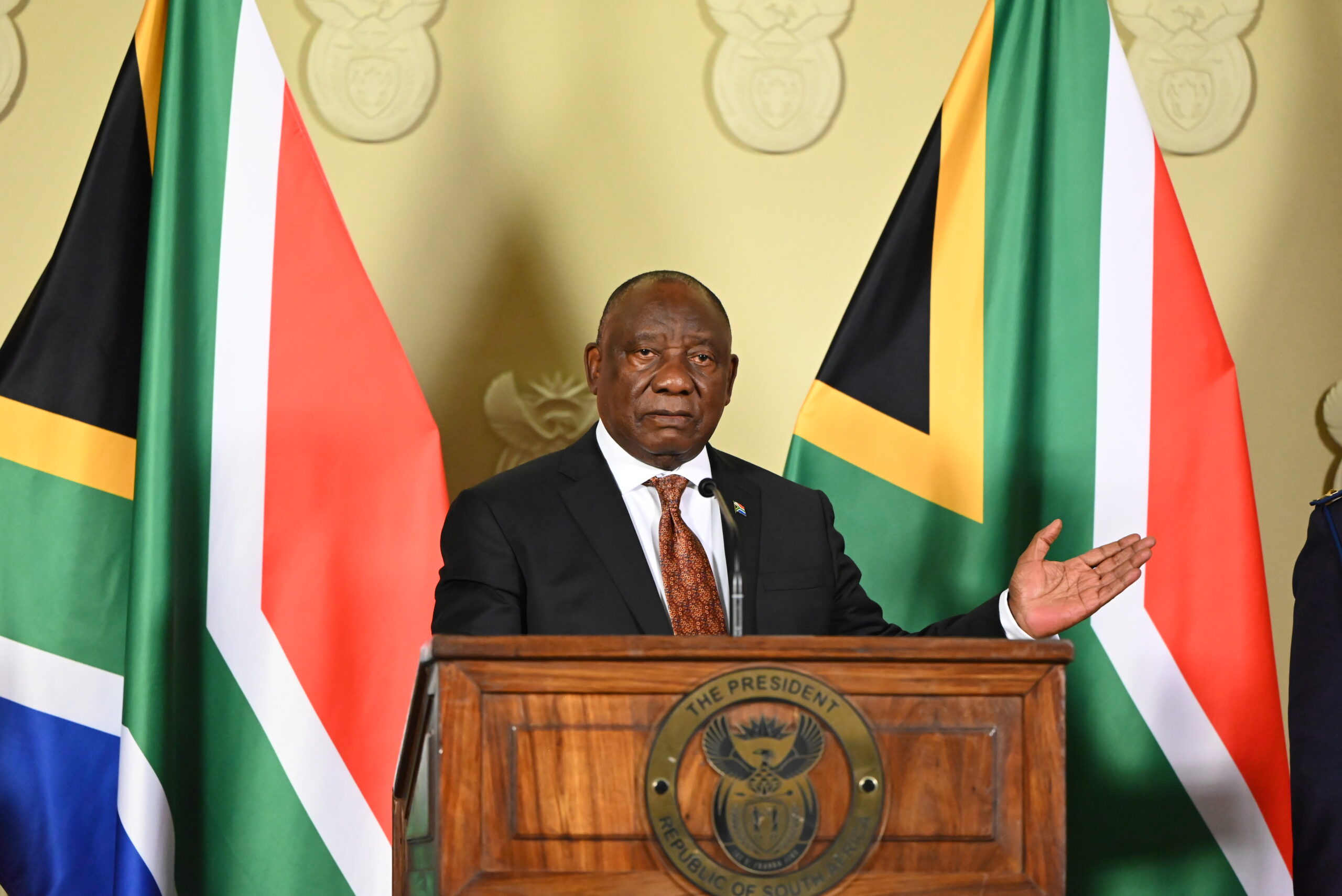
President Cyril Ramaphosa set out steps the government is taking to stop porous borders and ensure immigrants are documented, while urging that only law enforcement may request migrants’ documentation, sources report.
What the president said
In a national address, Ramaphosa outlined various measures to tighten border control and improve documentation for immigrants in South Africa. He also emphasised that only law enforcement has the right to request documentation from migrants.
Political reactions
Political parties and an analyst reacted to the address, linking growing anti-immigrant sentiment to domestic problems. Some parties have pushed for removal of undocumented immigrants, while others called for lawful enforcement of immigration rules.
The Democratic Alliance federal leader Geordin Hill-Lewis welcomed Ramaphosa’s message and said South Africa’s economic struggles are not caused by foreign nationals. He said the correct response is to reject xenophobia and to uphold constitutional values.
“I welcome President Cyril Ramaphosa’s address to the nation, and his clear message that South Africa’s economic struggles are not caused by foreign nationals, but by the failure to grow the economy and create millions of jobs. This is the right message at a dangerous moment for our country. South Africans must reject xenophobia, uphold our constitutional values, and never allow anger over hardship to become violence against vulnerable people,”
Hill-Lewis said his party will support lawful efforts to restore order and secure borders, and stressed that the law must be enforced by the state not by mobs, vigilantes, or politicians who stoke hatred for votes. He added that anyone who incites violence against foreign nationals must be arrested and prosecuted.
Analyst: deep causes beyond migration
Political analyst Theo Neethling told The Citizen that tensions over immigration should be seen in a longer historical context. He said outbreaks of xenophobic violence have resurfaced repeatedly and that movements such as Operation Dudula and March March have brought public dissatisfaction into sharper focus.
“Serious outbreaks of xenophobic violence, particularly in Gauteng, occurred as far back as September 2019. Since then, the underlying tensions have never truly disappeared but have continued to simmer beneath the surface,”
Neethling pointed to poor governance as a contributing factor and said the government’s inability to consistently enforce immigration laws has helped create a public perception that the state has lost control, which in turn can create space for civic mobilisation and conflict.
Wider context
Ramaphosa’s address came as some African states were evacuating citizens ahead of a June 30 deadline set by the lobby group March and March. The reactions from political parties and analysts underscore the complexity of responses to undocumented immigration and rising tensions in parts of the country.
Follow Joburg ETC on Facebook, Twitter, TikTok and Instagram
For more News in Johannesburg, visit joburgetc.com
Source: citizen.co.za