Opinion
Debate over BEE overhaul deepens as fund proposal meets race‑free alternative
Black Economic Empowerment (BEE) sits at the centre of a sharp policy debate after a government‑backed proposal to create a R100‑billion transformation fund met a rival plan from the trade union and political organisation Solidarity calling for a race‑free approach by 2030. Both sides agree the existing system is broken, but they offer sharply different fixes.
Fund proposal backed by the president
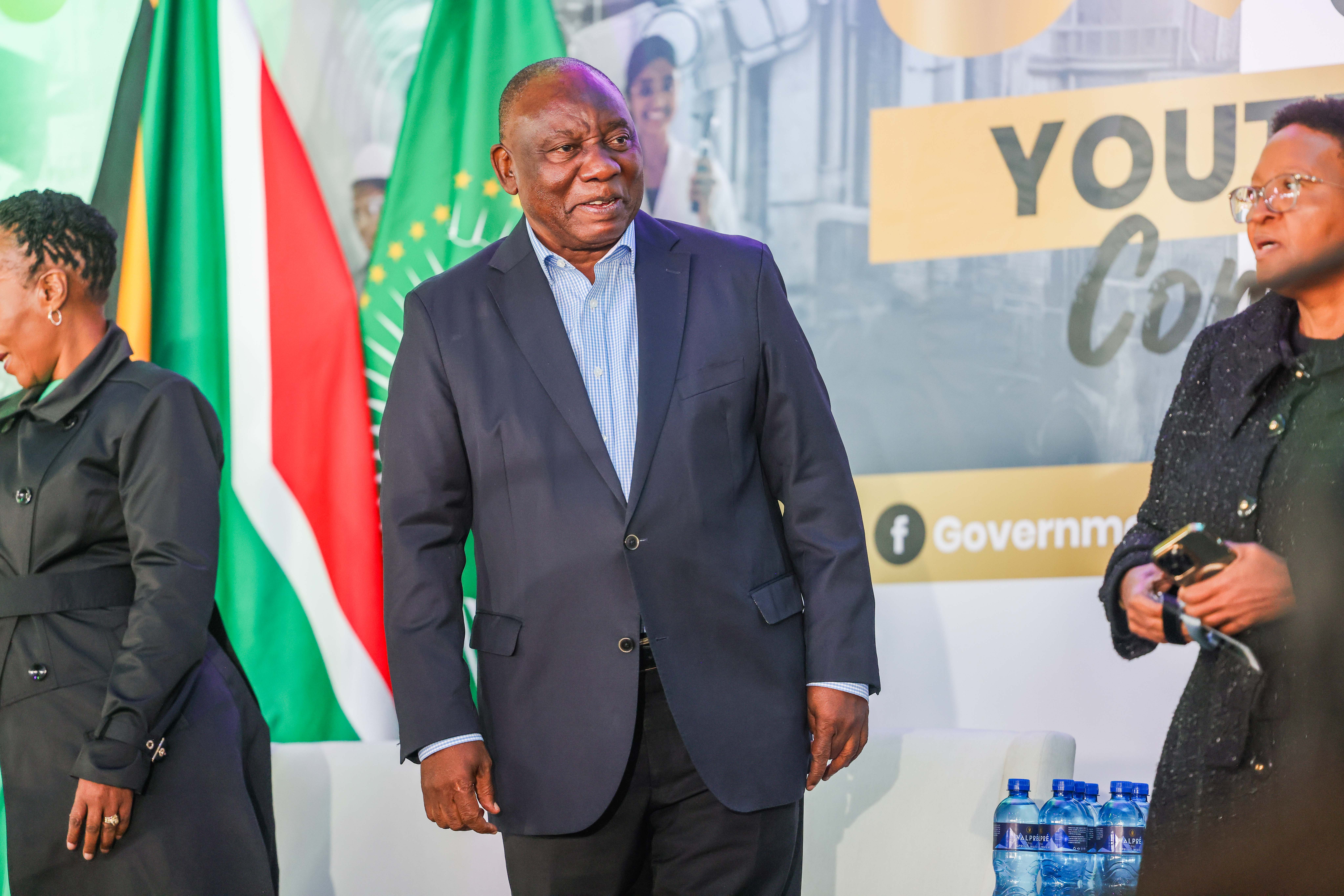
President Cyril Ramaphosa has given his backing to Trade Minister Parks Tau’s proposal for a R100‑billion BEE transformation fund. Under the idea, companies would be able to pay into a central fund and receive empowerment points, rather than seeking black shareholders and navigating lengthy audits to prove compliance. Supporters describe the move as an evolution of the current framework rather than a retreat.
Solidarity’s race‑free alternative
Solidarity has published a report arguing South Africa could become ‘race‑free by 2030’. The organisation says BEE has been costly and produced a small group of politically connected beneficiaries while failing to reduce unemployment meaningfully. Solidarity estimates BEE compliance costs the private sector R290 billion a year and contends unemployment could fall from 32% to 17% if race‑based legislation were removed. It proposes replacing current measures with employee stock ownership plans and broad‑based ownership models measured by genuine participation rather than racial scorecards.
Data and competing readings
Research from XA Global Trade Advisors cited in the debate finds that 37% of firms are non‑compliant with BEE requirements and that 67% have no BEE shareholders. Supporters of scrapping race‑based rules point to those figures as evidence the framework is failing. Others within government and among economists view the same data as a reason to refine, rework and strengthen the system while offering a simpler compliance route through the proposed fund.
What the proposals mean
The two approaches offer contrasting paths: one would streamline compliance by channeling contributions into a central fund, the other would remove race‑based measures in favour of ownership and participation mechanisms. Both acknowledge serious problems with how empowerment has operated, but they disagree on whether change should mean a reworked BEE or an end to race‑based rules.
Ongoing debate
The disagreement between a government‑backed fund seen as an evolutionary fix and a race‑free roadmap backed by Solidarity and echoed in some economic commentary leaves the future of BEE transformation in flux. The proposals frame the choice facing policymakers: adapt the existing framework or replace it with a different model of broad‑based economic participation.
Follow Joburg ETC on Facebook, Twitter, TikTok and Instagram
For more News in Johannesburg, visit joburgetc.com
Source: thesouthafrican.com