News
Oil prices climb as US-Iran tensions flare again over the Strait of Hormuz
Oil prices climb as US-Iran tensions flare again over the Strait of Hormuz
Fresh military strikes and Iranian retaliation raise fears over global energy supplies
Global oil markets came under renewed pressure on Monday after the United States launched another round of strikes on Iranian targets, prompting retaliatory attacks by Iran and reigniting concerns about the security of the Strait of Hormuzone of the world’s most important oil shipping routes.
The latest escalation has cast further doubt over a fragile peace arrangement between Washington and Tehran, with both sides accusing each other of undermining efforts to reduce tensions in the region.
Why the Strait of Hormuz matters
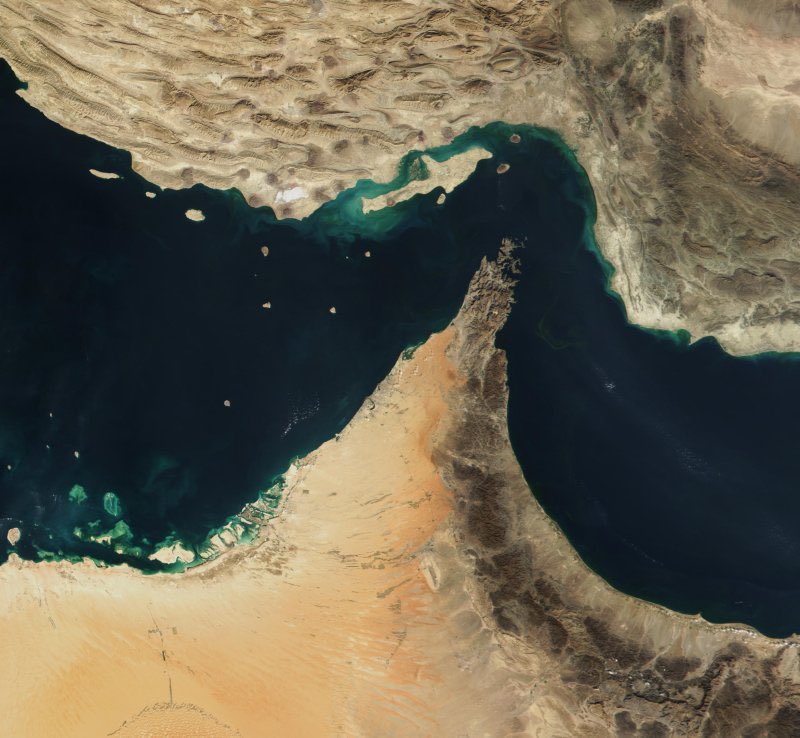
The Strait of Hormuz is a narrow waterway connecting the Persian Gulf to the Gulf of Oman and the Arabian Sea. It serves as one of the world’s busiest energy corridors, with a significant share of global crude oil and liquefied natural gas exports passing through it every day.
Any disruption to shipping through the strait can quickly affect international oil prices, as traders anticipate potential supply shortages.
Iran has again claimed that the strategic waterway is closed following the latest hostilities, while the United States insists commercial vessels can continue using the route under its protection.
Oil prices react to growing uncertainty
Financial markets responded almost immediately to the renewed conflict.
When trading opened in Asia on Monday, crude oil prices surged by more than 4%, driven by fears that escalating military action could interrupt global energy supplies.
US benchmark West Texas Intermediate (WTI) climbed above $74 a barrel, while Brent crude also posted strong gains as investors weighed the risks of prolonged instability in the Gulf.
Although prices remain below the peaks seen during previous geopolitical crises, analysts say markets are closely monitoring developments around the Strait of Hormuz because of its importance to global energy trade.
Conflict spreads across the Gulf
According to US Central Command (CENTCOM), American forces carried out a new wave of strikes targeting multiple Iranian military sites, saying the operation was intended to reduce Iran’s ability to threaten international shipping.
Iran responded by launching missile and drone attacks against countries hosting US military facilities, including Bahrain, Jordan and Kuwait, according to Iranian state media. Regional authorities reported air defence systems being activated as the attacks unfolded.
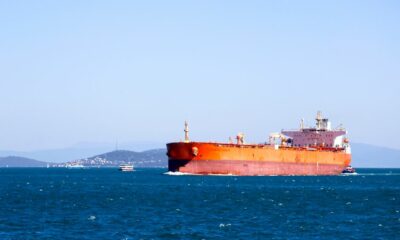
The renewed fighting follows an attack on a commercial vessel in the Strait of Hormuz over the weekend, an incident that further heightened tensions in the region.
Diplomatic efforts face another setback
The latest exchange of strikes has complicated ongoing diplomatic efforts aimed at preventing a wider regional conflict.
Countries including Pakistan and Oman, which have played roles in facilitating dialogue between Washington and Tehran, have expressed concern over the renewed violence and called for restraint.
Iran has argued that the recent US military action has undermined attempts to restore stability, while American officials maintain their operations are necessary to protect international shipping and regional security.
Why South Africans should pay attention
Although the conflict is taking place thousands of kilometres away, it could have direct consequences for South African consumers.
South Africa imports much of its crude oil, meaning sustained increases in global oil prices can eventually feed through to local fuel prices. A weaker rand combined with higher international crude prices often places additional pressure on the monthly petrol and diesel price adjustments.
With motorists already facing high transport costs, economists will be watching developments in the Gulf closely over the coming days to assess whether the latest spike in oil prices proves temporary or develops into a longer-lasting disruption.
Follow Joburg ETC on Facebook, Twitter, TikTok and Instagram
For more News in Johannesburg, visit joburgetc.com
Source: iol.co.za