Culture
5 overlooked historic sites in Johannesburg that reveal the real story of Jozi
Johannesburg’s centennial celebrations draw attention to the city’s familiar landmarks, but beyond the well-trodden paths lies a quieter archive of heritage that reveals the real story of Jozi. These five sites whisper forgotten narratives about the city’s gold rush origins, Victorian ambitions, and the resilience of its communitiesstories that shaped the metropolis long before it became what we know today.
1. Lindfield Victorian House Museum in Linden
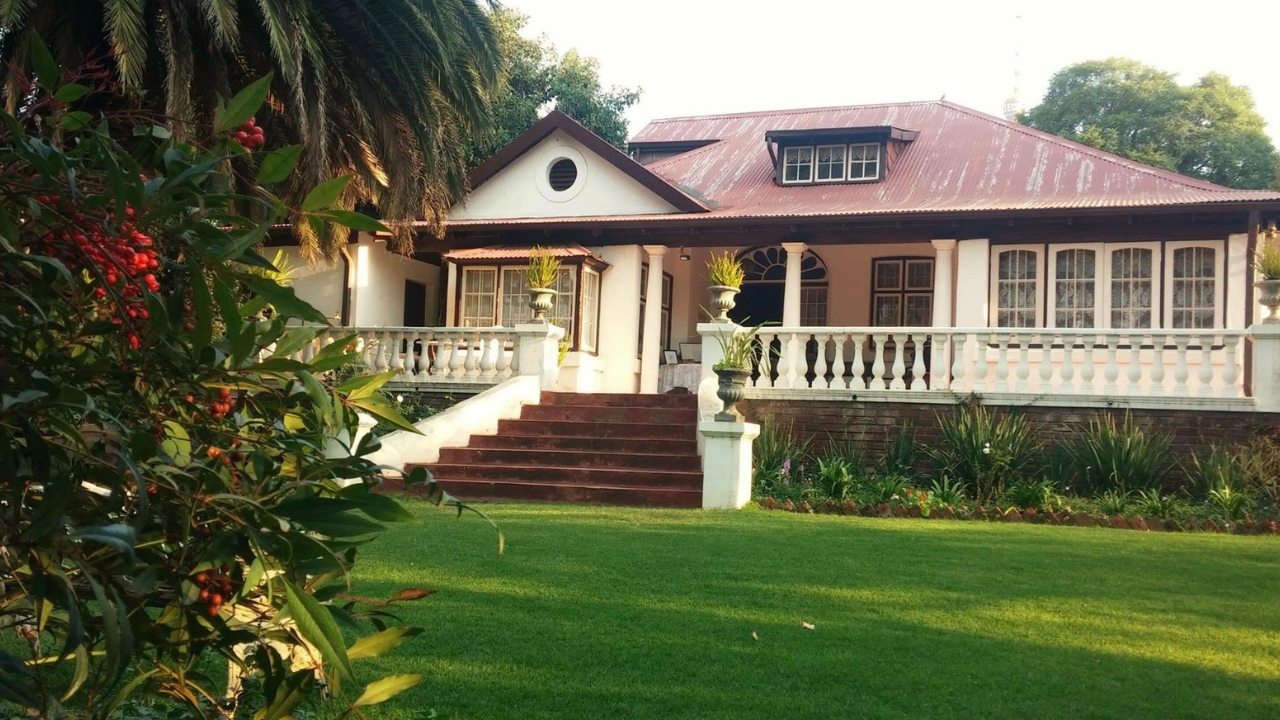
Step through the gates of Lindfield and you’re transported to the early 1900s, when Linden was a refuge for Johannesburg’s wealthy elite escaping the dust and noise of the growing mining city. This family-run museum preserves a Victorian mansion with meticulous care, its rooms arranged exactly as they were inhabited, filled with period furniture, decorative arts, and personal artifacts that tell the intimate story of a family’s life across a century.
What sets Lindfield apart from more austere heritage sites is its humanity. The curatorsdescendants of the original familylead tours with the warmth of relatives sharing their home history rather than reciting museum scripts. You’ll learn about the servants’ quarters, the parlor where important business deals were negotiated, and the kitchen where meals were prepared by hand. It’s this level of detail that transforms a Victorian house into a window into how people actually lived. The gardens, too, remain largely unchanged, offering a sanctuary of heritage vegetation within the urban sprawl.
For anyone interested in how Johannesburg’s wealthy navigated the city’s rapid expansion, Lindfield offers an experience you won’t find in guidebooks.
- Location: 4 Crompton Road, Linden, Johannesburg
- Times: Guided tours by appointment
- Website: lindfield.co.za
2. The Wilds in Houghton
Perched on a ridge above Johannesburg’s inner city, The Wilds is one of the city’s greatest comeback stories. This 30-hectare nature reserve sits on land that was once slated for development, but community pressure led to its preservation as an urban oasis. What makes The Wilds compelling as a heritage site isn’t just its natural landscapeit’s the presence of historical ruins scattered throughout the reserve.
As you walk the winding trails through Johannesburg’s indigenous forest, you encounter the remnants of colonial structures: old brick walls, foundations, and scattered architectural fragments that speak to the land’s earlier occupation. The views of the city skyline from various vantage points are dramatic but pause long enough and you’ll notice how the landscape has absorbed and outlasted human intervention. It’s a place where nature has reclaimed history.
The reserve also sits adjacent to significant heritage areas, making it an ideal starting point for understanding Houghton’s transformation from rural retreat to exclusive suburb. Bring sturdy shoes and a sense of curiosity.
- Location: Rhodes Avenue and Wrede Road, Houghton, Johannesburg
- Times: Open daily, sunrise to sunset
- Website: thewildsjohannesburg.co.za
3. Kloofendal Nature Reserve in Roodepoort
Kloofendal is a compelling intersection of natural beauty and industrial heritage. The reserve’s walking trails wind through grasslands and wetlands while interpretive displays detail Johannesburg’s early mining historysomething many Capetonians forget was the foundation of the entire city. The landscape itself tells the story: rolling hills marked by old mine workings, remnants of extraction that shaped the region’s geology and economy.
What’s particularly valuable about Kloofendal is that it doesn’t separate nature from history. As you walk, you’re literally treading on the land that was transformed by the gold rush. The reserve protects both fynbos ecosystems and archaeological evidence, making it an outdoor classroom in how human ambition and natural systems collide.
The waterfall and dam offer peaceful resting points, and birdwatchers report significant sightings. For those interested in the physical evidence of Johannesburg’s origins, Kloofendal offers authentic context that most heritage museums attempt to explain with photographs and artifacts.
- Location: Kromdraai Road, Roodepoort, Johannesburg
- Times: Open daily, 6am to 6pm
- Entrance fee: R40 per person
4. James Hall Museum of Transport
For a peek into Johannesburg’s transportation pasta history that shaped the city’s growth and independencethe James Hall Museum offers an unexpectedly engaging collection. The museum houses vintage cars, bicycles, steam trains, and a fascinating array of transport-related artifacts that reveal how movement through the city has evolved since its inception.
What separates this from a mere collection of old vehicles is the curatorial approach. Each piece is positioned within its historical moment, telling stories about urban development, luxury aspirations, and the practical challenges of moving people and goods through Johannesburg. Early vehicles are contextualized within the mining economy that demanded rapid transport; later models reflect the suburban expansion that shaped mid-century Johannesburg.
The steam train exhibits are particularly powerful for understanding the scale of Johannesburg’s industrial operations. Walking through restored railway cars, you sense the ambition and engineering challenges of the era. It’s a museum that rewards patient observation rather than quick scanning.
- Location: 39 Krogh Street, Mayfair, Johannesburg
- Times: Tuesday to Sunday, 10am to 4pm (closed Mondays)
- Entrance fee: R60 adult, R30 concession
- Website: jhmt.co.za
5. Melville Koppies Nature Reserve
In the heart of Johannesburg’s trendy Melville neighbourhood lies a geological and cultural treasure that most locals walk past without noticing. Melville Koppies is a nature reserve built around ancient rock formationskoppies that rise dramatically from the surrounding urban landscape. These granite outcrops date back billions of years and form the backdrop to Johannesburg’s natural geography.
The reserve combines hiking trails with significant cultural heritage. Ancient rock formations feature evidence of San settlement, and interpretive signage explains the deep history of the land before European arrival. The city views from various points are stunning, but more importantly, they provide perspective: these koppies have witnessed every phase of Johannesburg’s history.
Walking here, you’re quite literally standing on Johannesburg’s geological foundation. It’s a place where you can contemplate the city’s past and future simultaneously. The trails range from easy to moderately challenging, and the reserve remains refreshingly undiscovered by mainstream tourism.
- Location: Judith Road and Forest Road, Melville, Johannesburg
- Times: Open daily, 6am to 6pm
- Entrance fee: R20 per person