education
Parliament clash over pit toilets: Gwarube and MPs spar on sanitation progress
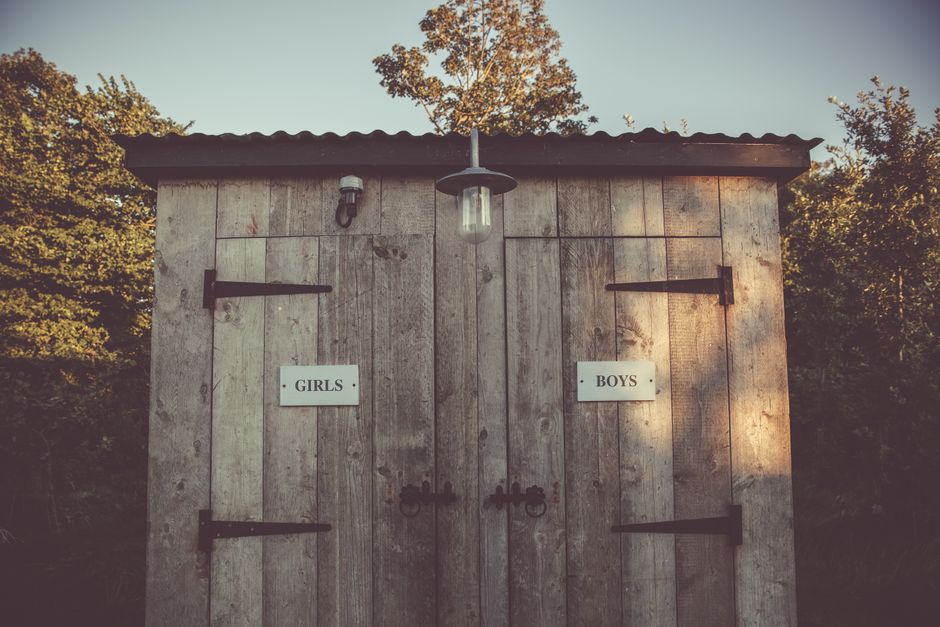
Parliamentary exchanges over school sanitation erupted after oversight visits by MPs found pupils still using unsafe toilets and schools without reliable water, prompting a public dispute between Basic Education Minister Siviwe Gwarube and the select committee on education, sciences and the creative industries.
Who said what
Chair of the select committee, Makhi Feni, challenged the minister’s reporting on progress in eliminating pit latrines following oversight visits to schools in the Eastern Cape, Limpopo and the North West. Feni said the department and the minister had “knowingly cited as an achievement the completion of an old project that should have been completed in 2018” and described the department’s communication as “misleading.”
The department pushed back through ministerial spokesperson Lukhanyo Vangqa, who denied that the minister had lied and said the information presented to the committee had been misinterpreted. Vangqa said the minister “accurately reported that all 3 372 projects forming part of the backlog identified through the 2018 Safe [sanitation appropriate for education] Initiative audit had reached practical completion.”
Department’s caveats and remaining challenges
Vangqa emphasised a distinction he said the minister had consistently made: the completion of the defined 2018 Safe Initiative backlog is separate from any sanitation needs identified after that audit. He warned that the department could not give a single figure for how much it would cost to completely eradicate pit toilets in public schools, saying the cost would depend on factors including the number and condition of facilities, water availability and geographic accessibility.
Next-phase priorities
- Identifying schools with sanitation challenges that emerged after the 2018 audit or were not captured in it;
- Ensuring old and unsafe pit structures are demolished, decommissioned or properly secured;
- Keeping newly installed facilities functional where schools experience unreliable water supply;
- Strengthening provincial maintenance and rapid response arrangements; and
- Accurately reporting progress and outstanding risks.
Calls for faster action and better data
The FW de Klerk Foundation urged government to accelerate the removal of pit latrines. Foundation attorney Daniela Ellerbeck said:
“We share parliament’s concern that the government must present an accurate picture of the challenges that remain.”
Christo van der Rheede, the foundation’s executive director, said:
“We welcome every new toilet that gives pupils a safer environment. But the government must also speak honestly about the schools that still need help. It must fix poor workmanship.”
Education leadership professor Kathija Yassim at the University of Johannesburg framed the issue as more than infrastructure, saying:
“Effective policy responses depend on reliable data. If the extent of the problem is not accurately reflected, planning, budgeting and accountability are compromised, making it difficult to direct resources where they are most needed.”
Scale of broader infrastructure needs
The article notes that South Africa’s overall school infrastructure backlog exceeds R120 billion, which includes classrooms, laboratories, libraries, fencing and other facilities.
What remains clear
The exchanges in parliament, the department’s response and the foundation’s reaction all point to two linked facts presented in the reporting: the 2018 Safe Initiative backlog of 3 372 projects has been declared practically complete by the department, and oversight visits by MPs found that many pupils still use unsafe toilets and attend schools without reliable water.
Follow Joburg ETC on Facebook, Twitter, TikTok and Instagram
For more News in Johannesburg, visit joburgetc.com
Source: citizen.co.za