education
Unisa disputes NSFAS explanation for July allowance delays, says systemic issues to blame
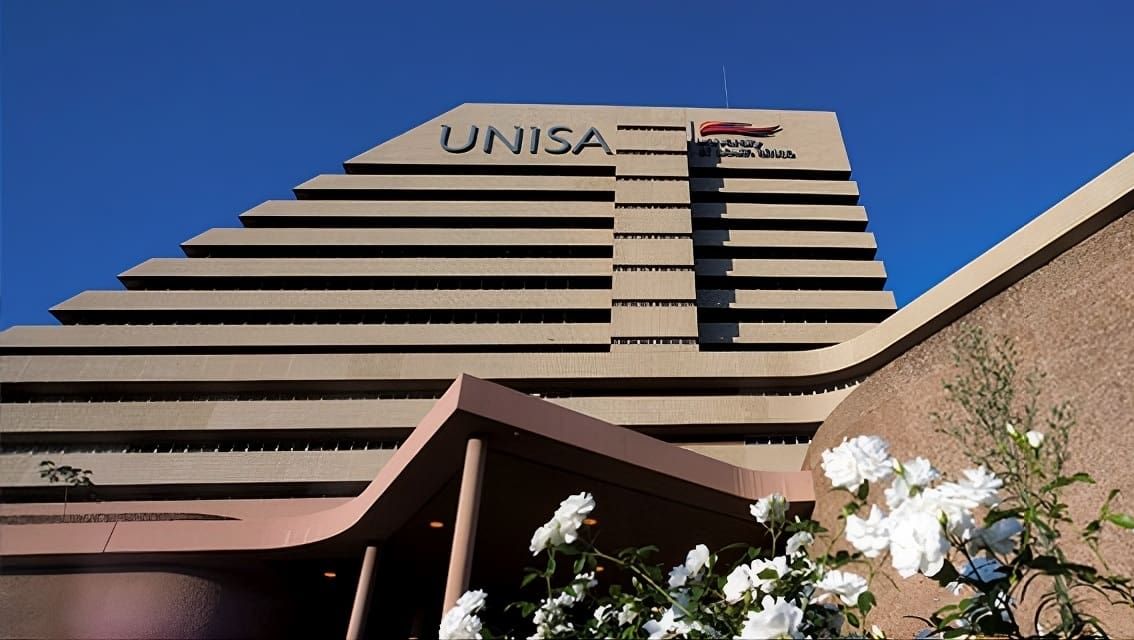
The University of South Africa (Unisa) and the National Student Financial Aid Scheme (NSFAS) have offered conflicting explanations for delays to July allowance payments that affected tens of thousands of students. The dispute over responsibility for the hold-up has focused attention on payment systems and funding pressures at South Africa’s largest distance-learning institution.
What NSFAS and Unisa each said
In a statement, NSFAS said it transferred the required funds to Unisa on 2 July after completing reconciliation and that responsibility for disbursing Personal Care Allowances then rested with the university. NSFAS said technical system challenges encountered during Unisa’s payment process delayed payments to some students, that the issues were resolved on 6 July, and that outstanding payments were being finalised.
Unisa disputed NSFAS’s account. Speaking to SABC News, acting chief financial officer Liana Joubert said the university had begun processing payment batches from the previous Friday and that all eligible students had since received their remittance advice. She told the broadcaster:
“This is predominantly not a Unisa issue. Of course, it is a systemic issue rather than a Unisa issue, but we have managed the process exceptionally well from our side.”
Scale of the problem and the university’s position
NSFAS figures submitted by Unisa showed that about 93,093 students were affected. NSFAS said some beneficiaries had already received their allowances and that the remaining students were expected to be paid during the course of the week.
Unisa, which it said has more than 380,000 students, including approximately 177,000 funded by NSFAS, emphasised the complexity of processing payments at scale. The university later said that 98.2% of eligible NSFAS-funded students had received their allowances, and that the remaining 2% of unpaid cases were linked mainly to administrative and eligibility issues, including incorrect or missing banking details, unsuccessful bank verification, duplicate registrations and outstanding NSFAS eligibility validations.
Unisa added that
“NSFAS transferred funding to the University on July 2, 2026. Within 24 hours, on July 3, Unisa commenced processing payments and, between 3 and 7 July, successfully processed allowances for more than 95,000 students.”
The university also noted that once payment instructions are processed, the timing of deposits into students’ accounts depends on individual banks’ processing times.
Government engagement and institutional finances
Newly appointed Deputy Minister of Higher Education and Training Yusuf Cassim visited Unisa’s Muckleneuk campus in Pretoria, met student leaders and university management, and examined the conflicting accounts after his office received complaints through the Deputy Minister’s Helpdesk. Cassim said the priority was to resolve students’ concerns. He was quoted as saying:
“We are here to listen and tackle the frustrations voiced by students regarding their experiences through existing institutional channels.”
Unisa’s acting CFO outlined the institution’s financial pressures. Joubert said the university recorded a R106 million deficit in 2025 after disbursing more funding to students than it had received. She said Unisa received R733 million from NSFAS in March 2026 but paid out R907 million to ensure students had timely access to learning materials, a decision she said would result in a further R213 million deficit. Joubert also said Unisa receives R316 per student to administer the allowance system and described that amount as inadequate.
NSFAS funding details and next steps
NSFAS said it currently funds 168,480 students through its Book Allowance programme, valued at R425.6 million, and 93,910 students through the Personal Care Allowance programme, worth R148.6 million. The scheme said it remained in close engagement with Unisa to ensure all eligible beneficiaries received their allowances as quickly as possible.
Guidance for students
Unisa advised students who had not yet received payment to verify their NSFAS funding status, ensure banking details are correct and up to date, and confirm that all required documentation had been submitted to the university. The institution said it would continue to provide updates as progress is made.
Follow Joburg ETC on Facebook, Twitter, TikTok and Instagram
For more News in Johannesburg, visit joburgetc.com
Source: iol.co.za