Culture Craze
Have We Designed the Beauty Out of the World? Why Modern Minimalism Is Replacing Timeless Craftsmanship
Have We Designed the Beauty Out of the World?
Walk through almost any city today and you’ll notice a pattern.
New apartment blocks are rectangular.
New offices are grey.
New furniture is flat-packed.
New public buildings are functional.
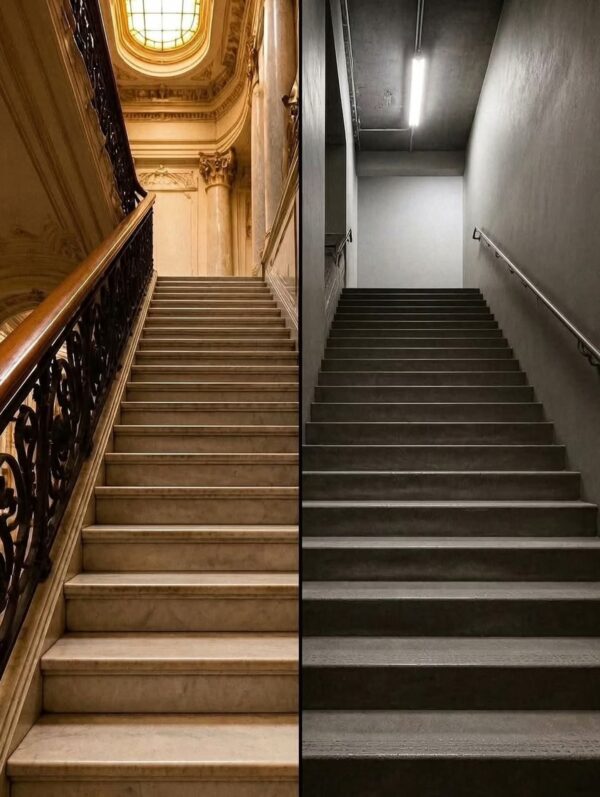
Then compare them to structures built a centuryor even several centuriesago.
Libraries looked like cathedrals.
Train stations felt like palaces.
Bridges were works of art.
Even a staircase was designed to impress.
Somewhere along the way, it feels as though humanity stopped building things to inspire people and instead started building them simply to function.
Whether you love modern architecture or not, there’s an ongoing debate about whether we’ve traded beauty for efficiency.
From Masterpieces to Minimalism
Throughout history, architecture wasn’t simply about creating shelter.
It was about telling a story.
Every carved stone, hand-crafted ceiling and decorative arch represented years of skilled craftsmanship. Buildings reflected local culture, identity and artistic ambition.
Today, many modern structures embrace clean lines, flat surfaces and neutral colours. Minimalism has become one of the defining design philosophies of the 21st century.
For many people, this creates calm.
For others, it creates emptiness.
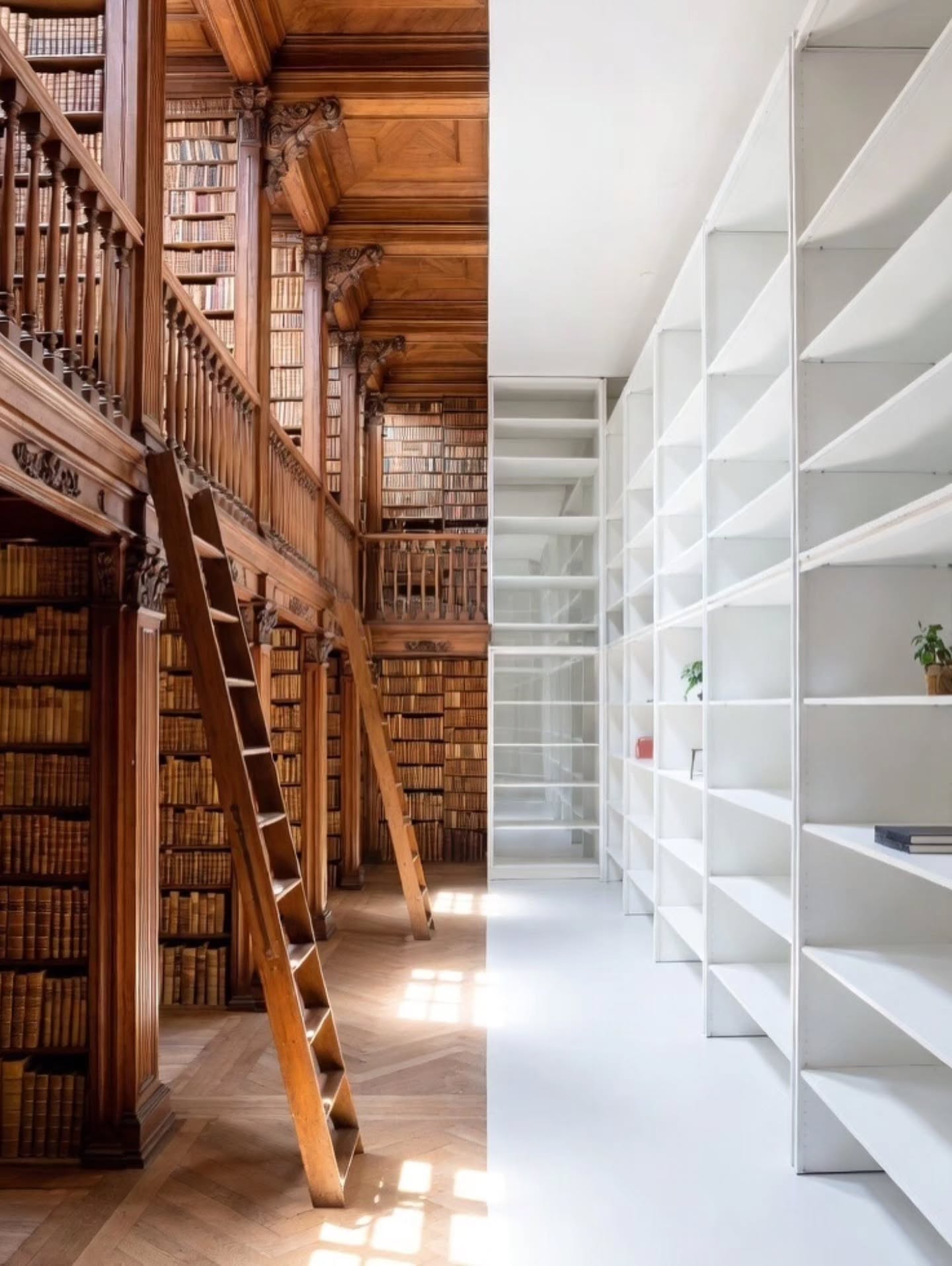
Libraries: Places That Once Inspired Wonder
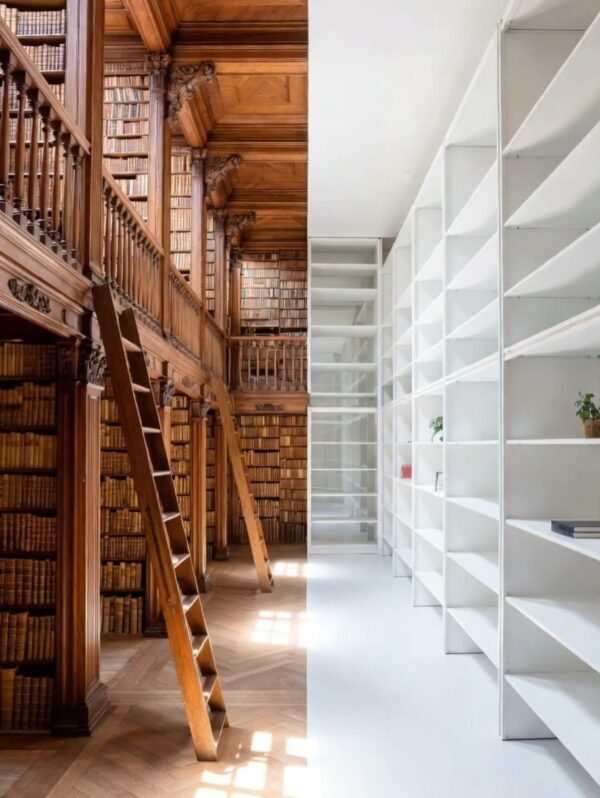
The world’s historic libraries weren’t simply rooms filled with books.
They were destinations.
Towering wooden shelves, carved staircases, ornate ceilings and intricate details encouraged visitors to slow down and appreciate knowledge itself.
Today’s libraries often prioritise clean layouts, accessibility and flexible spacesbut they can feel vastly different in atmosphere.
Image: Historic craftsmanship versus modern minimalist shelving.
Dining Rooms: Grandeur vs Simplicity
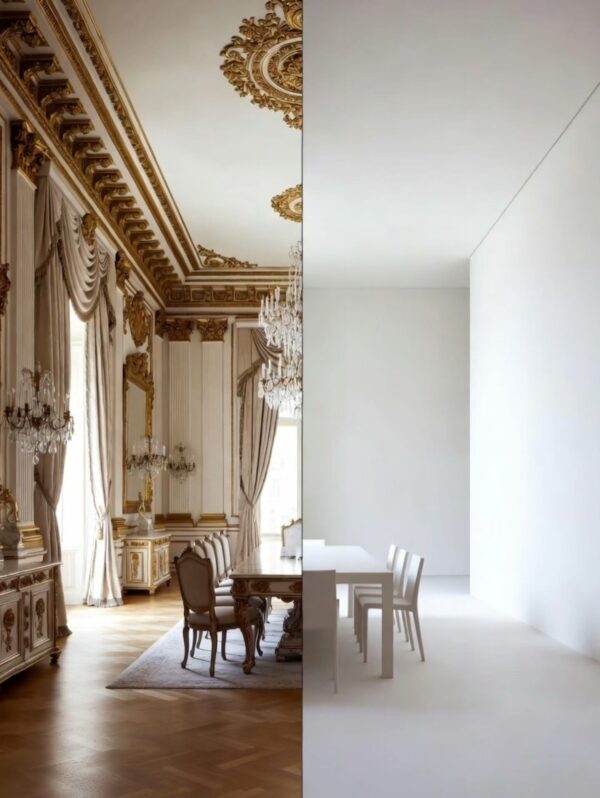
Traditional dining rooms celebrated gatherings with detailed ceilings, chandeliers, handcrafted furniture and decorative mouldings.
Modern dining spaces often remove every unnecessary element.
White walls.
Straight lines.
Simple furniture.
For some homeowners, this creates peace.
For others, it removes personality.
Bridges Were Once Landmarks
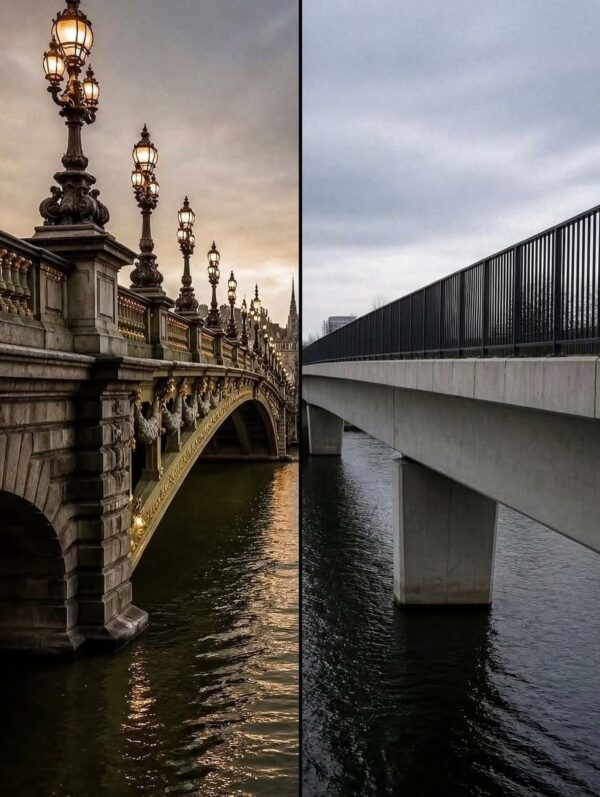
Long before computer modelling and reinforced concrete dominated construction, bridges were symbols of civic pride.
Decorative ironwork, ornate lamp posts and stone carvings transformed everyday infrastructure into public art.
Today, many bridges are engineered primarily around efficiency, maintenance costs and safety.
Function has largely overtaken form.
Even Kitchens Used to Tell Stories
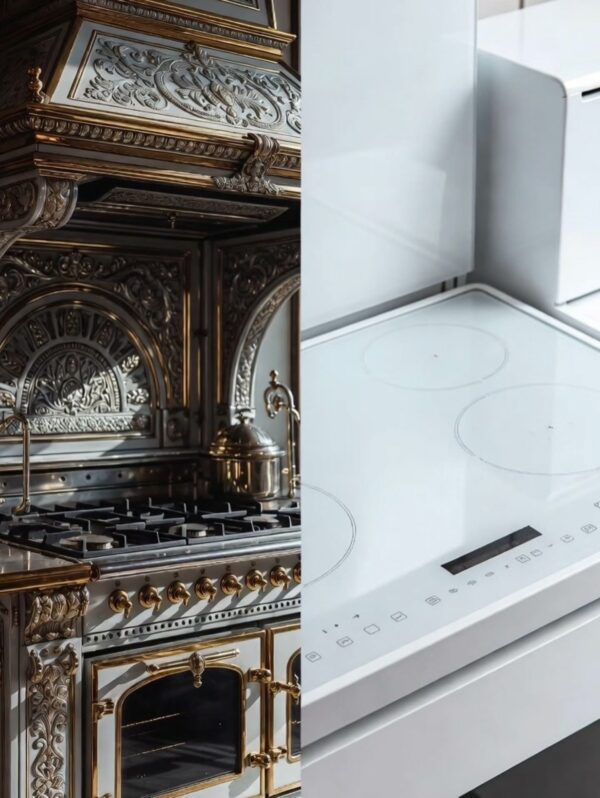
Walk into an old European home and you’ll often find handcrafted cabinetry, decorative metalwork and beautifully detailed ovens.
Every surface reflected skilled artisanship.
Modern kitchens have become sleeker than ever.
Integrated appliances.
Hidden handles.
Flat cabinet fronts.
Minimal colour.
They are undeniably practicalbut many argue they’ve lost warmth.
Public Buildings Were Designed to Impress
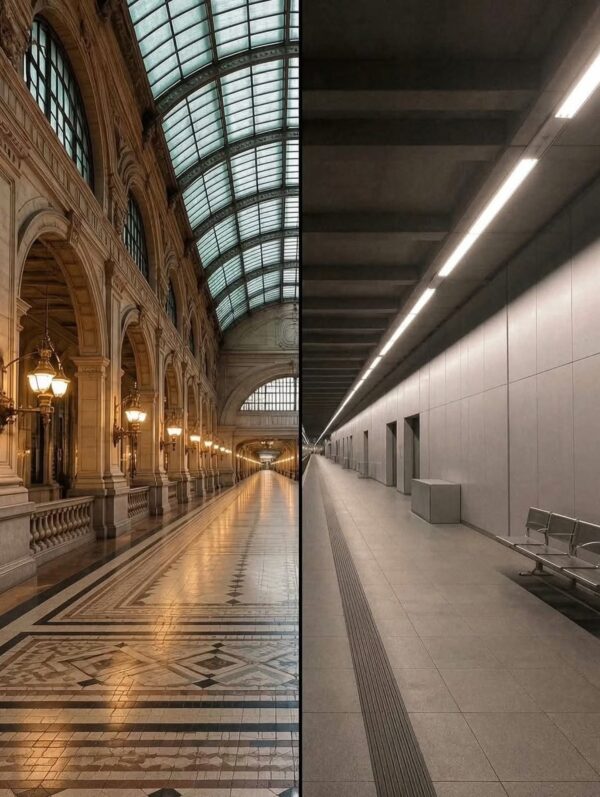
Historic train stations, museums and government buildings were intentionally designed to leave visitors speechless.
Natural stone.
Vaulted ceilings.
Detailed flooring.
Massive windows.
Today, many transport hubs prioritise efficiency, cost and durability instead of visual impact.
The result is often cleanerbut arguably less memorable.
Public Squares Have Changed Too
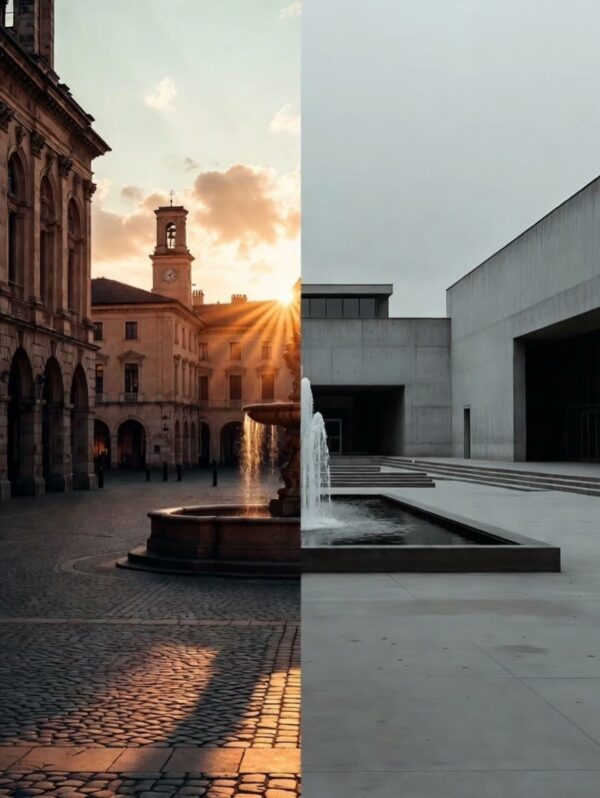
Older city squares were built around fountains, statues and architectural landmarks that encouraged people to gather.
Many newer developments instead favour expansive concrete spaces, geometric layouts and minimalist landscaping.
While contemporary public spaces can be highly functional, critics argue they sometimes lack the charm and sense of place found in older cities.
The Beauty of Small Details
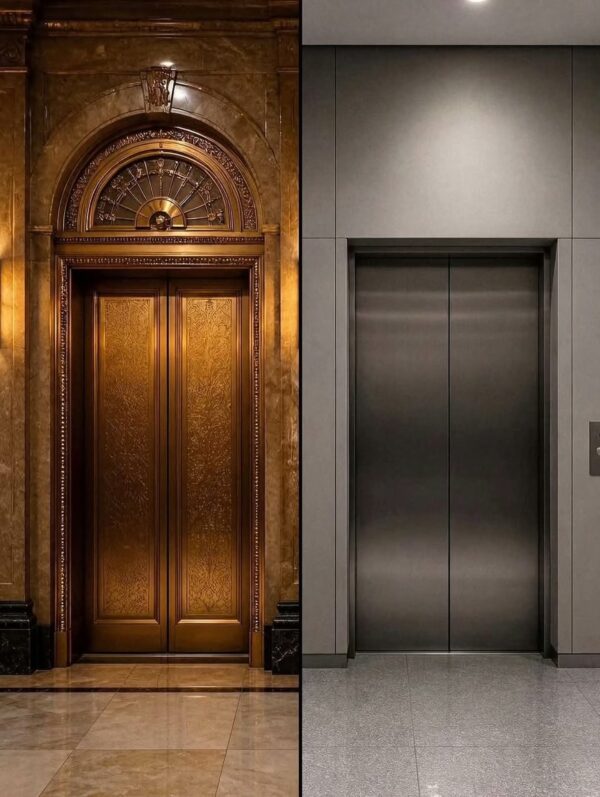
One of the biggest differences between old and new design is attention to detail.
Historic elevators featured brass doors, engraved panels and decorative frames.
Today, elevator doors are typically smooth stainless steel.
Older staircases were carved from stone or timber with elaborate railings.
Modern staircases often prioritise clean concrete and steel.
Neither approach is inherently wrong.
But they create entirely different emotional experiences.
Bedrooms: Luxury Has Been Redefined
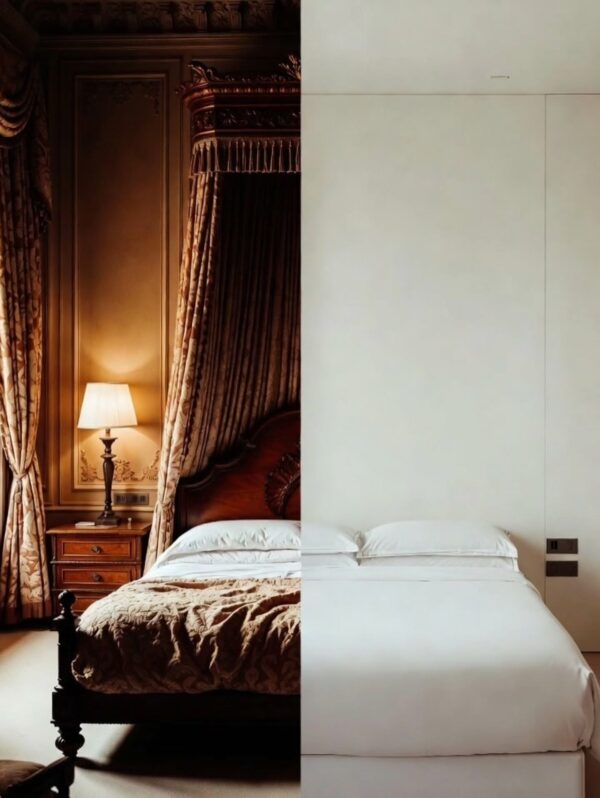
Traditional bedrooms often featured carved wooden beds, luxurious fabrics and handcrafted furniture that became family heirlooms.
Today’s minimalist bedrooms embrace simplicity.
Neutral colours.
Hidden storage.
Simple bedding.
Clean walls.
The focus has shifted from decoration to calm.
Wine Cellars: From Tradition to Technology
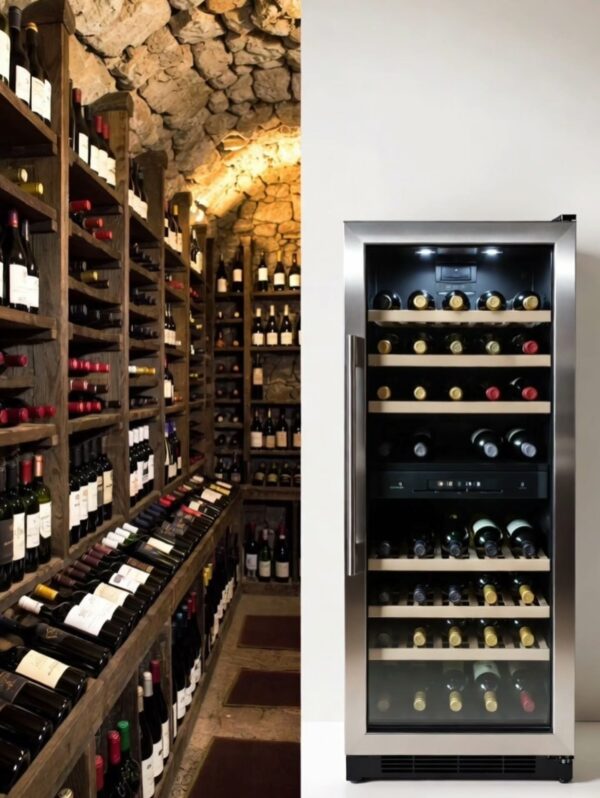
Wine was once stored in atmospheric underground cellars lined with stone and timber.
Today, compact climate-controlled wine fridges can preserve collections with remarkable precision.
Technology has improved convenience.
Yet many wine enthusiasts still dream of the romance of a traditional cellar.
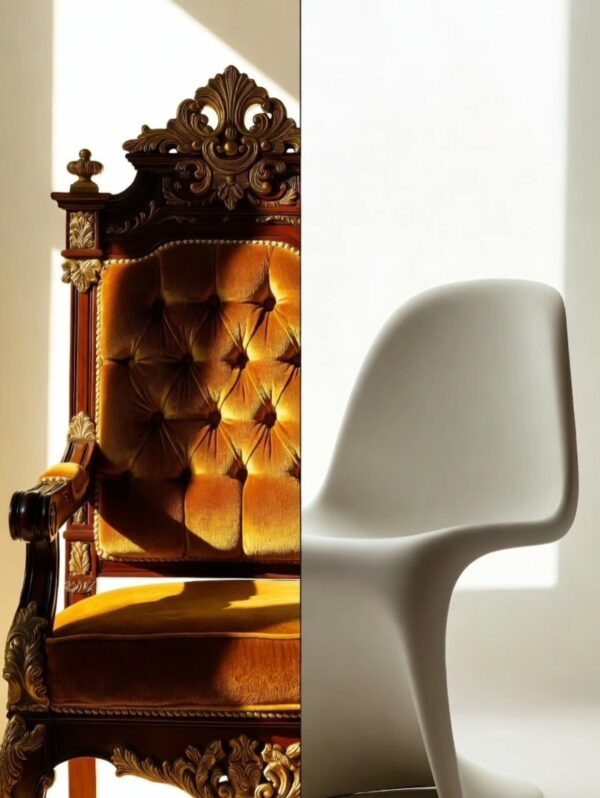
Furniture Was Built to Last
Antique chairs, cabinets and tables often took months to complete.
Craftsmen hand-carved every curve and ornament.
Many remain functional after hundreds of years.
Modern furniture has become lighter, cheaper and easier to manufacture.
The trade-off is that fewer pieces are designed to last generations.
Why Has Design Changed?
There are several reasons behind the shift.
1. Cost
Handcrafted details require skilled labour, which dramatically increases construction costs.
2. Speed
Modern cities need housing and infrastructure quickly.
Minimalist designs are generally faster to build.
3. Maintenance
Simple materials are often cheaper to repair and easier to clean.
4. Changing Taste
Many people genuinely prefer uncluttered spaces that promote calmness and simplicity.
Minimalism didn’t emerge because designers forgot how to create beauty.
It emerged because society’s priorities changed.
Is Minimalism Really the Problem?
Minimalism itself isn’t necessarily the issue.
Some of the world’s most celebrated modern buildings demonstrate extraordinary creativity while remaining simple.
The real criticism isn’t that buildings are less decorative.
It’s that many modern developments look interchangeable.
Whether you’re in Johannesburg, London, Dubai or New York, countless new apartment blocks and office buildings share nearly identical materials, colours and proportions.
Local identity can sometimes disappear.
Can We Bring Beauty Back?
Fortunately, many architects and designers are beginning to blend both worlds.
Modern engineering with traditional craftsmanship.
Minimalist layouts with natural materials.
Contemporary homes featuring arches, stonework, handcrafted timber and decorative lighting.
Rather than choosing between old and new, the future may lie somewhere in the middle.
A place where buildings remain efficient without sacrificing personality.
Perhaps the question isn’t whether the past was better.
Instead, it’s whether we’ve forgotten that everyday objects can also be beautiful.
Libraries don’t have to feel empty.
Bridges can still become landmarks.
Furniture can still become heirlooms.
The greatest buildings throughout history weren’t remembered because they were merely functional.
They were remembered because they made people stop, look up and feel something.
As cities continue to grow and design trends evolve, maybe the greatest luxury isn’t owning more thingsbut creating spaces with enough beauty that they become timeless.
Credit : IG – artworld.us
Follow Joburg ETC on Facebook, Twitter, TikTok and Instagram
For more News in Johannesburg, visit joburgetc.com