Sports
Ma’a Nonu’s solo haka to the All Blacks framed as ‘respect’ after Kings Park match
Ma’a Nonu performed a solo haka at Kings Park after the All Blacks match, calling it a spur-of-the-moment act of respect and saying he sought permission from former teammates.
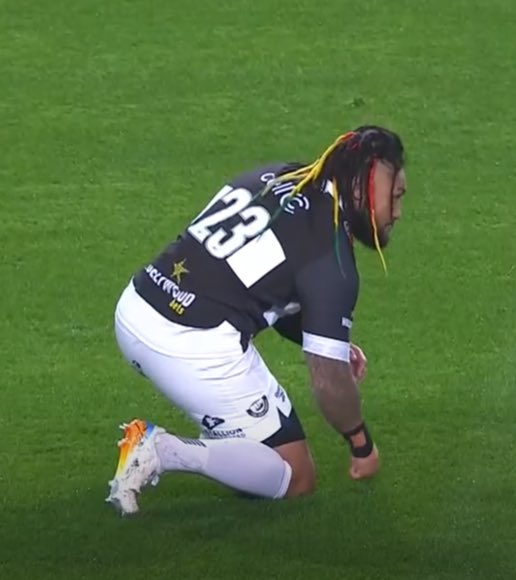
Ma’a Nonu responded to the All Blacks’ haka with his own solo performance after the match at Kings Park, saying the moment was a gesture of respect and a last-minute decision.
What happened at Kings Park
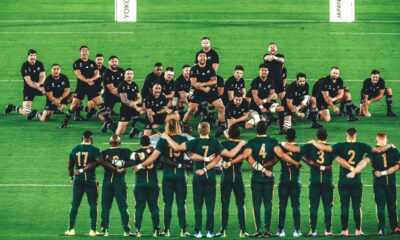
The All Blacks beat the Durban club 54-0 in rainy, cold conditions at Kings Park Stadium on Tuesday, 11 August. Wearing a Sharks jersey, Ma’a Nonu performed a solo version of the haka the Kapa o Pango version in response to the All Blacks’ Ka Mate, the article reports.
Nonu describes his decision
Speaking to Sky Sports, Nonu who made his All Blacks debut in 2003 and has 103 test caps, according to the source said the performance was spontaneous and done out of respect. He told Sky Sports:
“It was great to see the boys. To play against them for the first time was such a privilege and honour.”
He added that it “was a spur-of-the-moment thing” and that he had discussed it the night before with former teammates.
“I spoke to Tana and Tamati [Umaga] and Tamati [Ellison] and asked them for permission in terms of doing it out of respect on behalf of our team and my family. I thought it was the right thing to do to answer the boys and the All Blacks.”
Reaction from All Blacks supporters
The source reports that many All Blacks fans were moved on social media by Nonu’s performance. Comments shared under an All Blacks post included:
“What he gave was ultimate respect and recognition.”
“Once an All Black, always an All Black. He’s still our brother.”
Brief note on the haka’s meaning
The article explains the haka is a traditional Māori ceremonial performance used to welcome guests, celebrate achievements, mourn loved ones, and show strength and unity. It notes the haka was first performed by the All Blacks during their 1905 British tour, and that the Kapa o Pango version was developed specifically for the national team to signify their “pride, unity, and purpose.”
Follow Joburg ETC on Facebook, Twitter, TikTok and Instagram
For more News in Johannesburg, visit joburgetc.com
Source: thesouthafrican.com