News
Durban needs R4.6 billion to fix wastewater works, city says
eThekwini says R4.6bn is required to refurbish wastewater treatment works after Green Drop compliance fell to 46%. Ageing infrastructure, vandalism and funding gaps cited.
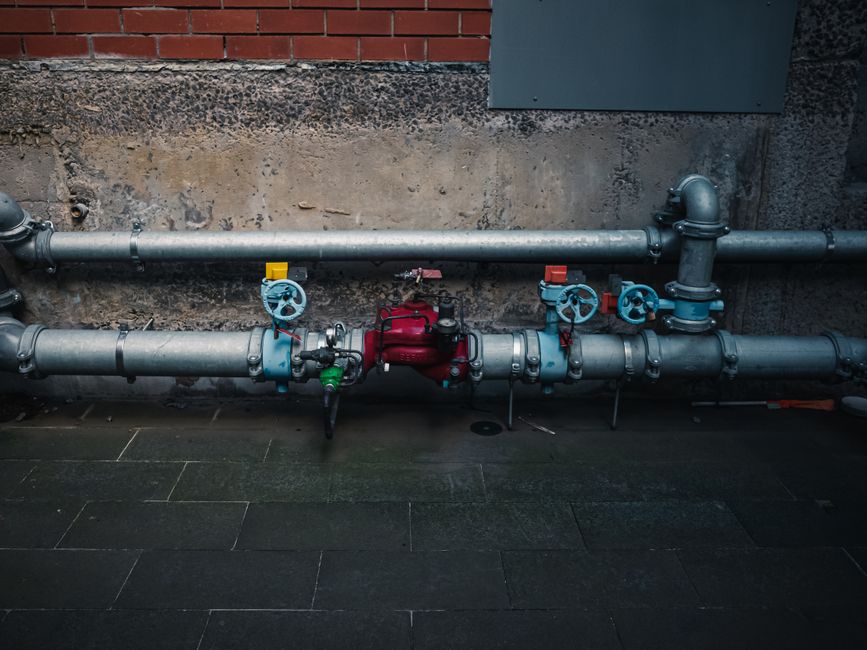
The eThekwini Municipality has told councillors it needs an estimated R4.6 billion to refurbish all Wastewater Treatment Works and reach Green Drop compliance amid ageing infrastructure, vandalism and funding shortfalls.
Compliance shortfall flagged at Executive meeting
The acting director of eThekwini Water and Sanitation, Sibusiso Vilane, reported at a recent eThekwini Executive meeting that the directorate had achieved 46% wastewater Green Drop compliance at the end of June 2026 against an annual target of 90%.
Vilane told councillors the Green Drop Certification programme grades sewage treatment plants, networks and pump stations for wastewater management, and that the assessments are based on the actual condition and performance of facilities on the ground.
Operational picture: pump stations and leaks
Municipal records showed a decline in the average daily flow of effluent into the Isipingo Wastewater Treatment Works south of Durban, attributed to leaks in the pipeline. Vilane reported that 235 out of 261 pump stations were functional at the end of June 2026, noting the numbers would fluctuate during July and August.
Priority repairs and causes of decline
Vilane singled out the rehabilitation of the Mahatma Gandhi Pump station as a priority. He said,
“The rehabilitation of the Mahatma Gandhi Pump station remains a priority. It was noted that funding constraints, vandalism, theft and flood damage have further contributed to the decline in compliance,”
Wider drivers of poor performance
City officials attributed the municipality’s Green Drop challenges to several factors explicitly listed by Vilane: population growth exceeding design capacity, inadequate capital investment, insufficient capacity of wastewater works, power interruptions, difficult topography, funding constraints, and vandalism, misuse and abuse of sewer systems.
He also pointed to the ageing infrastructure of wastewater works and limited municipal access to rural and informal settlements for maintenance as compounding problems. Poor maintenance of urine diversion toilets, community dissatisfaction, vandalism and theft, and high maintenance costs were also mentioned.
Sanitation services offered by the city
Vilane said the city provides different sanitation services depending on area: waterborne sanitation in urban areas, VIP and urine diversion toilets in rural and peri-urban areas, and container ablution facilities in informal areas. He added that areas under traditional authority primarily receive VIP and urine diversion toilets with limited waterborne sanitation due to the absence of bulk water infrastructure, and that chemical toilets and alternative sanitation are used as part of a programme to replace pit toilets.
Consequences and response
Vilane warned that low Green Drop scores carry consequences including adverse environmental and public health impacts, reputational damage to the city and its tourism sector, and potential criminal liability for responsible officials arising from regulatory non-compliance.
Despite the challenges, Vilane said the city has sewer rehabilitation programmes and a proactive maintenance programme in place.
Follow Joburg ETC on Facebook, Twitter, TikTok and Instagram
For more News in Johannesburg, visit joburgetc.com
Source: iol.co.za