News
IFP Signals Willingness to Negotiate with MK Party in Hung Municipalities
IFP president Velenkosini Hlabisa says the party will consider coalitions with MK Party in hung municipalities, emphasizing stability and voters’ interests.
IFP Considers Broad Coalition Options After Elections
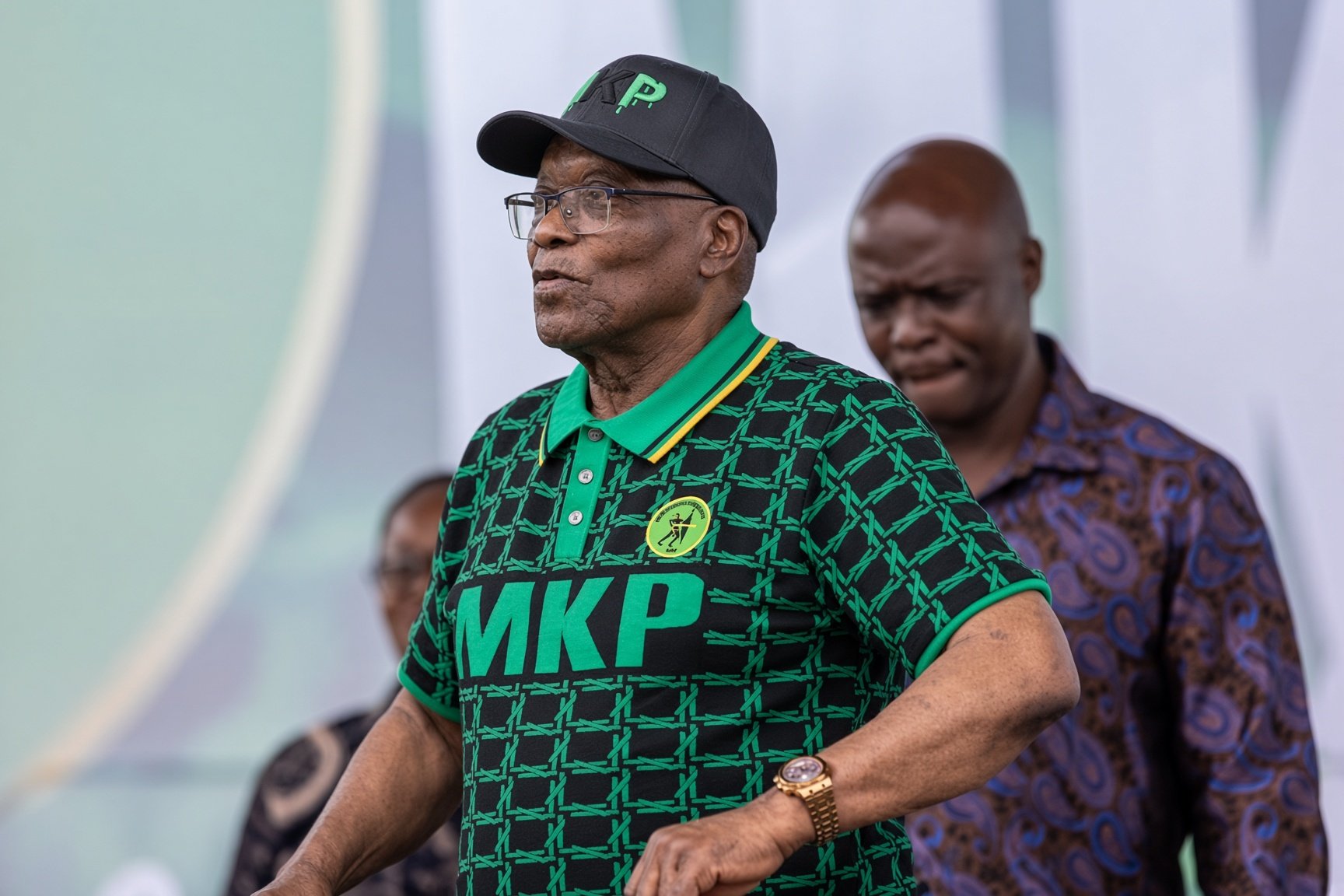
The Inkatha Freedom Party (IFP) has indicated its openness to working with the uMkhonto weSizwe (MK) Party and other political groups in municipalities where no single party achieved an outright majority in the recent local government elections. IFP president Velenkosini Hlabisa emphasized that the core requirements for any coalition partnership would be a commitment to stable governance and placing the needs of voters above political maneuvering.
Coalition Talks in KwaZulu-Natal and Gauteng
Following the 2026 Local Government Elections, 127 out of 213 municipal councils across South Africa remain hung, prompting parties to enter coalition discussions. In KwaZulu-Natal, 34 municipalities, including the major metro of eThekwini, are without an outright governing party. The MK Party emerged as the dominant party in eThekwini but lacks the majority required to form a government independently. The seat breakdown in the metro is as follows:
- MK Party: 86 seats
- Democratic Alliance (DA): 57 seats
- African National Congress (ANC): 37 seats
- IFP: 15 seats
A minimum of 112 seats is needed to establish a majority-led government in the council.
IFP’s Preconditions for Stable Governance
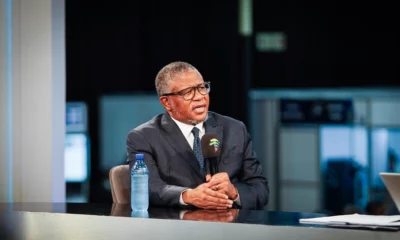
Velenkosini Hlabisa outlined that the IFP does not intend to exclude any political formation from coalition negotiations in either KwaZulu-Natal or Gauteng. The party’s approach is guided by the principle that coalition partners should avoid unreasonable demands and focus on government stability. “We would want to get into a coalition with any political party that will not put unreasonable conditions, but that will prioritise and also demonstrate that there will be stability,” Hlabisa noted in a televised interview.
“Not only the MKP, every political party that has a potential of forming a government in KwaZulu-Natal, even in Gauteng … we are a player in that municipality.”
Largest Party Should Lead, Says Hlabisa
Addressing the question of leadership in coalition governments, Hlabisa advocated that the party holding the largest number of seats in a coalition should assume the mayoral position. He expressed concerns that small parties tasked with leading coalitions may lack the necessary influence over their partners, citing past experiences in the City of Johannesburg: “If you give the mayoral position to a small party, the small party is open to manipulation. The authority of a mayor originates from his or her caucus. The smaller the caucus, the smaller the authority.”
He compared the situation to national coalition arrangements, arguing that established political authority and the ability to unite coalition partners are determined by both the leader’s party size and personal leadership capabilities.
Coalition Guidelines and Legal Considerations
Hlabisa addressed the delayed progress of coalition-specific legislation, attributing it to constitutional and legal review processes. He expressed caution against rushing the process, stating that inadequate preparation could result in laws vulnerable to legal challenges. “We have seen so many laws having passed, taken to court, and they couldn’t stand. That is what created a delay,” he explained.
In place of immediate legislation, Hlabisa emphasized the importance of “political maturity, capacity, and adherence to agreed principles” among coalition partners. He asserted that stable coalitions depend not solely on legislative frameworks but on the commitment and skills of the people involved.
Introducing Coalition Guidelines for Stability
In response to ongoing instability in local governance, the ministry has developed coalition guidelines to help parties form and maintain collaborative leadership. These guidelines were created after consulting with various political groups and will be presented at a meeting with provincial Municipal Executive Councillors (MECs).
“You need to meet constantly, almost once fortnightly to unblock any challenge. If you only wait and meet when there are problems, problems will compound and eventually affect the coalition.”
The guidelines encourage frequent meetings among partners to resolve issues before they escalate. Additionally, both national and provincial authorities intend to provide guidance and support as municipalities adjust to new coalition arrangements.
Path Forward for Hung Municipalities
The IFP’s position reflects a willingness to find pragmatic solutions in the aftermath of a highly contested local election landscape. As negotiations continue, the outlook for many municipalitiesincluding eThekwini and the City of Johannesburgwill hinge on the ability of parties to work cooperatively, prioritize service delivery, and ensure stable leadership structures.
Follow Joburg ETC on Facebook, Twitter, TikTok and Instagram
For more News in Johannesburg, visit joburgetc.com
Source: iol.co.za