News
40,000 students and R5.1bn: Parliament demands answers from NSFAS
Parliament has called for urgent action to address governance and administrative failures at the National Student Financial Aid Scheme (NSFAS) after more than 40,000 students were found to have been improperly funded at an estimated cost of R5.1 billion.
The findings form part of a systemic investigation by Public Protector Advocate Kholeka Gcaleka into the administration of NSFAS.
The R5.1 billion figure comes from an investigation conducted by the Special Investigating Unit (SIU) under Proclamation R88 of 2022.
The SIU identified approximately 40,000 students across 76 higher education institutions who received NSFAS funding despite allegedly not meeting the applicable eligibility requirements.
The SIU previously told Parliament that the students identified had household incomes above R350,000 and therefore did not qualify for NSFAS funding under the rules in place at the time.
Investigators also found that some applicants had failed to provide their parents’ details, meaning NSFAS could not properly conduct the required means test before approving their funding.
The SIU interviewed several students and parents during its investigation. Some students reportedly acknowledged that they did not qualify for the funding.
More than R2 billion of the improperly allocated funds has since been recovered, according to information cited by the Public Protector.
Portfolio Committee on Higher Education and Training chairperson Tebogo Letsie described the Public Protector’s findings as concerning, although he said they were not entirely unexpected given the longstanding governance, administrative and system challenges at NSFAS.
“The amount involved is astronomical. R5.1 billion is not a small amount, and we cannot treat this matter as just another administrative failure,” Letsie said in a media statement.
He said the failures had serious consequences for students, particularly those from poor and vulnerable households who depend on NSFAS to access and remain in higher education.
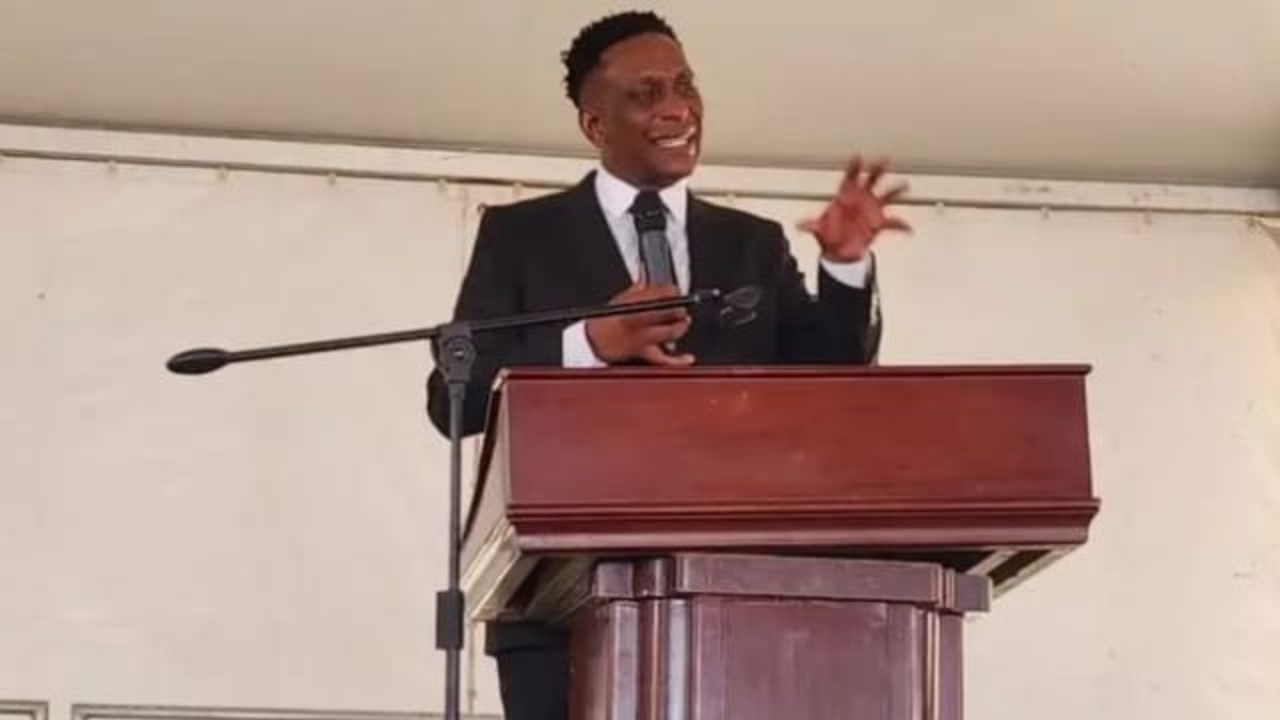
WATCH | Portfolio Committee on Higher Education chairperson Tebogo Letsie says the Public Protector’s report paints a concerning picture of systemic failures at NSFAS. He says the committee accepts the recommendations and will abide by the timelines and instructions given. pic.twitter.com/FrFwiN3O0p
SABC News (@SABCNews) August 18, 2026
Letsie said students should not be forced to bear the consequences of governance failures at an institution established to support their education.
“We have said repeatedly that NSFAS must put students first. Students cannot be left to suffer while those entrusted with the administration of the scheme are preoccupied with governance disputes and boardroom squabbles,” he said.
He called on the recently restored NSFAS board to take the findings seriously and act urgently to address the weaknesses identified.
“I hope the restored Board is paying close attention to these findings. It must act swiftly to strengthen governance, improve systems and ensure proper accountability for every rand entrusted to NSFAS,” Letsie said.
The committee said it would abide by the Public Protector’s recommendations. It has 30 days to process the report and obtain Parliament’s approval before submitting its response to the Public Protector.
The Democratic Alliance (DA) has also called for fundamental changes to the administration of NSFAS.
DA spokesperson on Higher Education and Training Delmaine Christians said pressure was mounting on Higher Education Minister Buti Manamela following the Public Protector’s briefing on the investigation.
“The DA sees the Public Protector’s update and its ongoing systemic investigation into alleged maladministration at NSFAS as very significant,” Christians said in a statement.
She said the party would carefully consider the findings once the investigation was complete and the final report had been released.
In just a space of 2.5 years, over R 559 MILLION has been paid to 4 middleman companies at NSFAS.
Imagine how much will be spent in 7 YEARS!
Young people must never believe the LIE that we don’t have enough money to FUND Education.
The money is there. It’s just being STOLEN by… pic.twitter.com/L5JMNXIBaJ
Sihle Lonzi (@SihleLonzi) August 18, 2026
Christians criticised the current structure of NSFAS, accusing the scheme of being plagued by wasteful spending, system failures and delays in paying students.
The DA has proposed replacing the national NSFAS structure with a decentralised model in which higher education and training institutions would administer student funding themselves.
“The National structure of NSFAS must be scrapped. It must be replaced with a decentralised model,” Christians said.
She described the existing national management structure as a failed experiment and called on Manamela to take action.
The findings have intensified scrutiny of NSFAS, with Parliament and political parties calling for stronger governance, improved systems and greater accountability.
The R5.1 billion in improper funding identified across 76 institutions, alongside the more than R2 billion recovered so far, has raised further questions about how funding approvals were made and what measures are being taken to prevent similar failures.
The focus now turns to the implementation of the Public Protector’s recommendations and whether the restored NSFAS board can address the governance and administrative weaknesses identified in the investigation.
For thousands of students who rely on NSFAS for financial support, the challenge will be ensuring that efforts to fix the scheme do not come at the expense of those who legitimately qualify for funding.
Follow Joburg ETC on Facebook, Twitter, TikTok and Instagram
For more News in Johannesburg, visit joburgetc.com
Source: African Insider