News
Tunisia shipwreck lays bare migration crisis driven by economic despair
A deadly Tunisian migrant boat sinking and ensuing protests highlight how economic hardship and limited opportunity drive dangerous migration, say analysts.
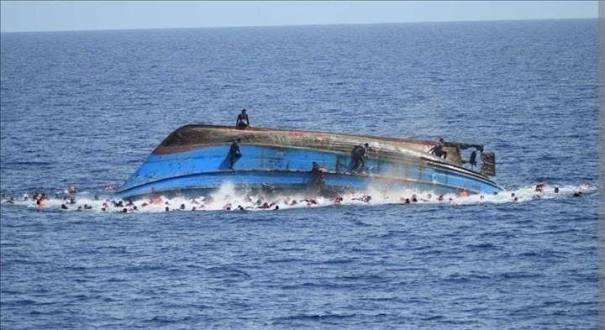
A shipwreck off Tunisia and the protests that followed have exposed a wider migration crisis shaped by economic marginalisation, limited opportunity and policies focused on border control rather than root causes, analysts say.
What happened and how people reacted
Reports of a migrant boat sinking near Tunisia sparked protests in Ben Guerdane, where demonstrators blocked roads and burned tyres before clashing with police. Many people aboard the vessel reportedly came from the area, including members of the same family.
Why the tragedy matters beyond the immediate rescue
Commentators argue the unrest reflects more than anger about a failed rescue operation. For local residents, the sinking became a symbol of long-running economic marginalisation and a lack of opportunities that make risking the sea a rational choice for some.
Analysts say migration is often framed as a border-control problem stopping boats and strengthening coastguards but that approach does not remove the conditions that push people to leave. When young people face unemployment, weak public services and limited prospects, making maritime routes harder to cross may only make journeys more dangerous.
Europe’s migration strategy under strain
The piece notes that Tunisia has become a partner in Europe’s efforts to reduce irregular migration across the Mediterranean. European funding and increased maritime surveillance are credited in the source with contributing to a sharp decline in departures from Tunisia, though critics say fewer departures do not necessarily mean fewer people desperate to leave.
Human rights organisations have criticised the EU–Tunisia migration arrangement, arguing European support for Tunisian border controls has contributed to abuses against migrants and asylum seekers. The debate, the source says, cannot be reduced to whether Europe should control its borders; the harder question is what happens when enforcement becomes the main response to fundamentally economic, social and political problems.
Part of a continental pattern
The tragedy is presented as reflecting a wider African reality: young people across the continent continue to move in search of employment, security and opportunity. Some migrate within Africa; others attempt to reach Europe through the Mediterranean despite the known dangers. The Mediterranean has, the source says, effectively become a graveyard for people whose ambitions outgrew opportunities at home.
The authors emphasise that Africa’s young population could be an economic asset if young people have access to education, jobs, entrepreneurship and functioning public services. If growth fails to generate opportunities, the same demographic can become increasingly frustrated and willing to leave.
Protests reflect broader grievances
The unrest in Ben Guerdane sits within a larger picture of economic and political dissatisfaction in Tunisia, with protests also focusing on unemployment, deteriorating public services and rising living costs. The sinking boat, according to the source, became a focal point for existing anger about marginalisation and what people see as a state that is not providing a future worth staying for.
What the authors say should change
The source argues migration cannot be managed through enforcement alone. Tunisia, the authors write, needs greater investment in disadvantaged regions, stronger employment opportunities and better public services. Across Africa, economies must be able to absorb millions of young people entering the workforce each year. At the same time, Europe should recognise that partnerships with African countries should include investment in legal migration pathways, development and job creation alongside border management.
The central question the authors pose is why so many people felt they needed to board a dangerous journey and they warn that until that question is addressed, more boats will leave and more communities will be left to mourn.
Follow Joburg ETC on Facebook, Twitter, TikTok and Instagram
For more News in Johannesburg, visit joburgetc.com
Source: iol.co.za