News
Salary Increases for Politicians Spark Outrage Amid Soaring Unemployment
While South Africa faces 8.6 million unemployed, approved pay rises for politicians have intensified calls for greater accountability and restraint from leadership.
Growing Tension Between Leadership and Struggling Citizens
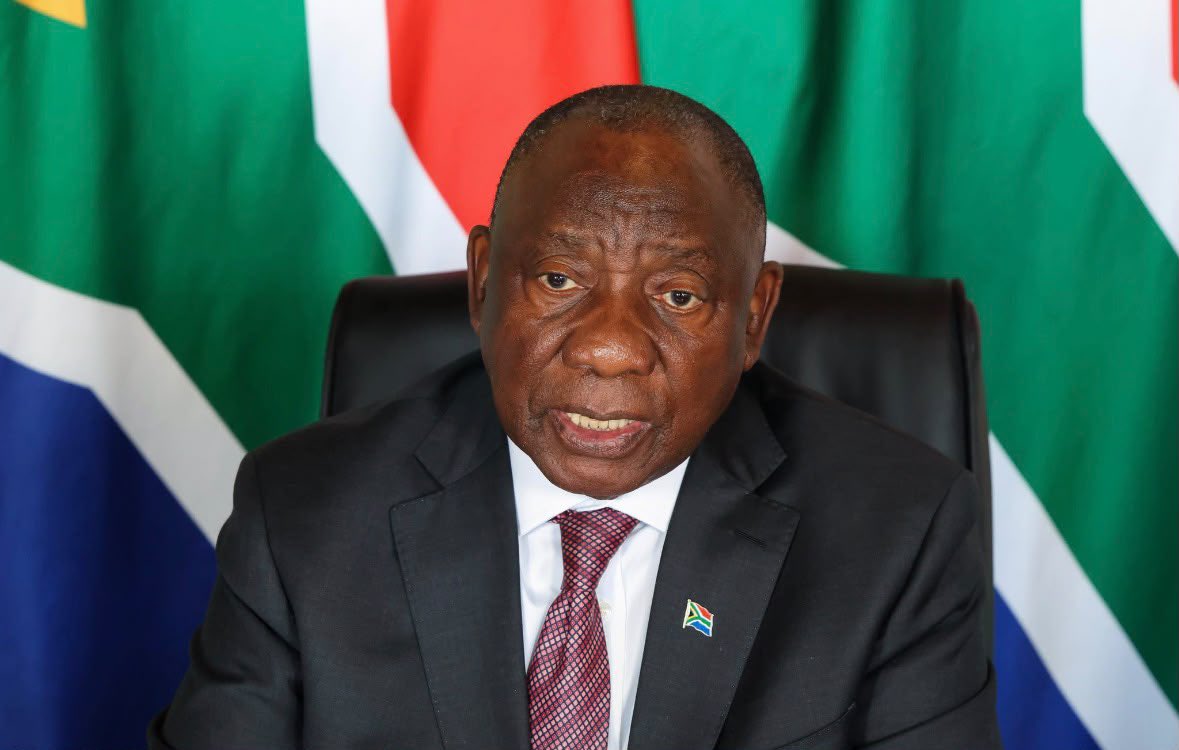
South Africa faces an alarming unemployment rate of 33.7%, with 8.6 million citizens currently out of work. These sobering numbers came the same day as another national headline: President Cyril Ramaphosa’s approval of salary increases for public officials, igniting fierce debate about accountability and empathy at the highest levels of government.
Contrasting Realities
In the third quarter of 2026, an additional 97,000 people lost their jobs, underscoring the country’s deepening employment crisis. Yet on that very day, President Ramaphosa announced a 3.5% salary increase for ministers, members of parliament, and provincial politicians, a decision swiftly met with public frustration. The increase will be backdated to April 1, 2026, extending monetary benefits for politicians as millions of households continue to struggle with daily necessities such as food, shelter, and education.
The Burden of Representation in Hard Times
The dual announcements highlighted a fundamental disconnect: while those chosen to lead enjoy financial upliftment, millions they represent battle worsening hardship.
- South Africa’s unemployment is one of the world’s highest.
- Although employment increased by 101,000 in the third quarter, the number of jobseekers outpaced this growth.
- There are 3.7 million discouraged jobseekers who have stopped actively looking for employment.
Annual salary adjustments have become expected among public office-bearers. However, the context of growing economic strain has intensified scrutiny of these increases, with many questioning, “What are politicians being rewarded for?”
Principles of Remuneration: Fairness Versus Perception
Few contest the need for attracting skilled public representatives with fair remuneration. Parliamentary and ministerial roles bear significant responsibility, and the Independent Commission for the Remuneration of Public Office-Bearers is tasked with weighing inflation and fiscal realities before making recommendations. Yet legality does not always equate to moral justification, especially when the broader population faces immense difficulty.
The increase approved by President Ramaphosa, reportedly up to 4% in some cases, has led to renewed calls to re-evaluate how and why elected leaders are rewarded, especially during crises.
Calls for Reform and Accountability
Some suggest a fundamental change: tying politicians’ salary increases to improvements in employment, economic growth, and service delivery. While acknowledging that politicians can’t control every aspect of the economyand that institutional independence is importantmany feel that taxpayers deserve concrete evidence of progress before public office-bearers receive more pay.
“Leadership is also about example.”
Government often urges citizens to accept economic hardship and practice patience. The recent salary increases, although not enormous in percentage terms, send a message at odds with these pleas for restraint.
Leader Responsibility in Difficult Times
A freeze on salaries would not solve unemployment or fundamentally alter the national budget. However, many argue that a symbolic gesture of restraint from those at the helm would set a powerful example, particularly at a time when so many citizens have no income at all.
The onus, critics assert, is on South Africa’s leaders to voluntarily forgo further salary adjustments until meaningful progress is made in addressing unemployment. Trust between citizens and their representatives hinges on shared sacrifice and visible empathy.
The Way Forward
As the nation navigates persistent economic challenges, the contrast between political privilege and everyday reality risks deepening disillusionment with public institutions. For many, the recent salary increases represent not just a financial issue, but a question of moral leadership and solidarity during South Africa’s ongoing struggle for economic dignity. Until genuine improvement is seen in the job market, calls for restraint will likely grow louder, and public confidence may depend on how leaders respond.
Follow Joburg ETC on Facebook, Twitter, TikTok and Instagram
For more News in Johannesburg, visit joburgetc.com
Source: iol.co.za