News
South Africa considers zero-alcohol driving limit ahead of December holidays
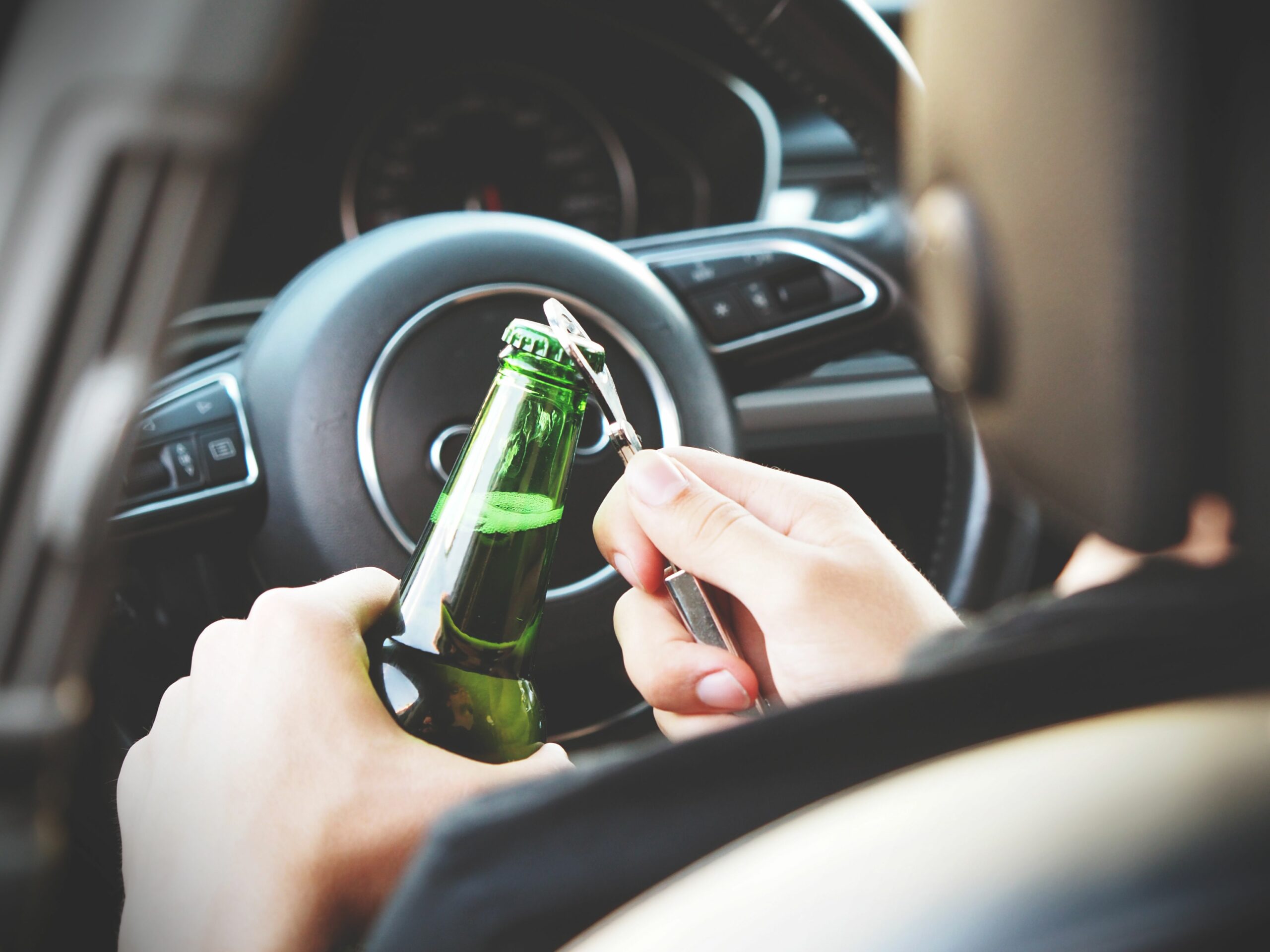
South Africa could move towards a zero-alcohol limit for drivers as authorities prepare for the December holiday rush, when roads typically face increased pressure from holiday travel.
Deputy Transport Minister Mkhuleko Hlengwa has proposed amending Section 65 of the National Road Traffic Act to introduce a zero-alcohol approach to driving. He made the announcement at the South African Breweries Sharp Responsible Partnership event in Midrand on Thursday, where new mobile alcohol evidentiary units for roadside testing were also highlighted.
The proposal comes as alcohol is estimated to contribute to around 27% of road fatalities in South Africa.
Hlengwa said the aim was to make the rules clearer, strengthen enforcement and prevent crashes, rather than simply increase the number of prosecutions.
What would a zero-alcohol limit mean?
Hlengwa said a zero-alcohol approach would establish a clear standard for motorists and help law enforcement address alcohol-impaired driving.
“The message is clear: alcohol and driving should never mix,” he said.
The proposed change would require an amendment to Section 65 of the National Road Traffic Act. However, the announcement concerns a proposed amendment, and does not in itself mean that a zero-alcohol limit has already become law.
The new mobile alcohol evidentiary units are intended to support roadside sobriety testing and enforcement.
Nearly 20,000 motorists arrested for drunk driving
Figures presented by Hlengwa show the scale of traffic enforcement between March and September 2026.
During that period, 19,829 motorists were arrested for driving under the influence of alcohol. Authorities also stopped and checked more than 8.5 million vehicles and conducted over 17,000 traffic law enforcement operations.
The same period saw nearly 3.5 million traffic violation notices issued, more than 43,000 vehicles impounded and almost 48,400 unroadworthy vehicles taken off public roads.
Hlengwa said approximately 88% of major vehicle accidents were linked to human behaviour, including speeding, dangerous overtaking, driver fatigue, losing control of a vehicle and driving into oncoming traffic.
He described many road crashes as preventable, arguing that safer decisions by motorists could help reduce deaths and serious injuries.
Pedestrians remain at risk on South African roads
Pedestrian safety was another major concern raised by the Deputy Transport Minister.
According to figures he presented, 3,091 pedestrians have died on South African roads since the beginning of 2026. Although this was 722 fewer deaths, or a 19% reduction compared with the same period last year, pedestrians still accounted for approximately 42% of all road fatalities nationally.
Hlengwa said vulnerable road users continued to face a disproportionate risk and called for greater attention to pedestrian safety.
Measures such as improved street lighting, visible pedestrian crossings, safer road design, community education and consistent law enforcement were identified as important parts of the response.
Road deaths also affect families and the economy
Hlengwa stressed that the consequences of road crashes extend well beyond the people directly involved.
Fatal accidents can leave families without breadwinners, children without parents and communities dealing with the long-term effects of preventable loss.
Serious crashes involving freight vehicles can also disrupt deliveries, delay logistics and increase costs for businesses. When major routes are blocked, the impact can spread through supply chains and affect wider economic activity.
He linked road safety to South Africa’s ambition to move 250 million tons of freight on the Transnet network, noting that serious incidents can undermine the reliability of transport operations.
SAB partnership supports drink-driving enforcement
Hlengwa also pointed to partnerships between government and the private sector as an important part of improving road safety.
The SAB Drive Sharp Programme supports alcohol enforcement and public education initiatives. According to SAB, the programme currently supports 34 Alcohol Evidence Centres nationally and has contributed to more than 60,000 drink-driving arrests since 2022.
Hlengwa said the success of road safety initiatives should not be judged by arrests alone.
The broader goal, he explained, is to change behaviour, reduce crashes and fatalities, and ensure more people reach their destinations safely.
With the festive season approaching, the proposed zero-alcohol limit adds to the focus on drink-driving enforcement and safer behaviour on South African roads.
Follow Joburg ETC on Facebook, Twitter, TikTok and Instagram
For more News in Johannesburg, visit joburgetc.com
Source: The Citizen