News
Why South Africa’s small businesses need better access to digital tools

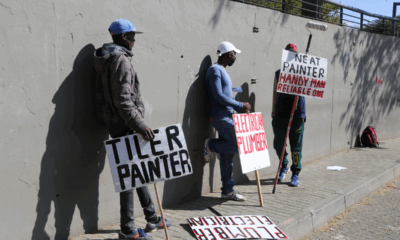
From township spaza shops and neighbourhood salons to designers selling products online, South Africa’s small businesses play a significant role in keeping local economies moving. But while entrepreneurial ambition is widespread, many businesses still face barriers that make it difficult to grow beyond their immediate communities.
Access to funding, reliable infrastructure, simpler regulations and larger markets remain key challenges. Increasingly, digital technology is also becoming an important part of the solution.
South African government figures cited in the business sector show that small businesses account for 91% of formal businesses, generate around 60% of employment and contribute up to 34% of gross domestic product (GDP).
The township economy is estimated to be worth more than R900 billion annually, highlighting the scale of the opportunity to support businesses operating within these communities.
The challenge, however, is not simply encouraging more people to start businesses. It is helping existing enterprises move from survival towards stability and sustainable growth.
Digital payments open new opportunities
As more consumers shop online, small businesses need ways to reach customers beyond those who visit their physical premises.
The Mastercard SME Confidence Index found that South African small and medium-sized enterprises (SMEs) have established a strong foundation for digital adoption, including the use of digital payments.
Among the businesses surveyed, 55% identified simple, seamless payment experiences as an opportunity for growth, while 51% highlighted the importance of safe and cyber-secure payment processing.
These findings point to the practical needs of business owners. Digital tools are not just about keeping up with technology. They can help entrepreneurs accept payments, manage transactions, market their products and connect with customers beyond their immediate neighbourhoods.
For a small business, this could mean taking orders through social media, selling through an online marketplace or accepting digital payments without relying entirely on cash.
South Africa’s online retail market continues to expand
The potential for digital growth is also reflected in South Africa’s online shopping market.
Mastercard’s Online Retail in South Africa 2026 report projects that consumers will spend approximately R159 billion online during 2026, with online retail accounting for an average of 10% of national retail turnover.
A decade ago, online retail represented just 1% of total retail turnover, according to the report.
The shift creates opportunities for smaller businesses to reach new audiences, improve operational efficiency and compete in markets that were previously difficult to access.
However, participating in the digital economy requires more than simply having an online presence. Businesses also need secure payment systems, appropriate technology, digital skills and the ability to fulfil customer orders reliably.
Partnerships could help small businesses scale
Mastercard says collaboration between businesses, financial institutions, fintech companies and government can help make digital tools and skills more accessible to SMEs.
Gabriel Swanepoel, division president for Africa at Mastercard, said partnerships could help businesses expand their reach and access broader markets.
“Collaboration is what turns a digital opportunity into real growth for a small business,” Swanepoel said.
He added that businesses no longer have to be limited to the areas where they began, provided they have access to the right tools and partnerships.
For township entrepreneurs, improved access to digital payments and online selling platforms could create additional routes to customers. But technology needs to be supported by the wider conditions businesses require, including funding, reliable infrastructure and a regulatory environment that allows them to operate and grow.
Turning entrepreneurial ambition into sustainable growth
South Africa’s small businesses have the potential to create employment, generate income and strengthen communities. Yet their long-term success depends on whether entrepreneurs can move beyond day-to-day survival and build sustainable enterprises.
That means improving access to finance, widening market opportunities, strengthening digital capabilities and creating partnerships that connect businesses with the resources they need.
From spaza shops serving local residents to township brands selling products online, small businesses can contribute to economic growth both within their communities and beyond them.
Mastercard says the work forms part of its global commitment to connect and protect 500 million people and small businesses on their path to financial health.
The broader challenge for South Africa is ensuring that entrepreneurs have the tools, skills and opportunities to turn their ideas into businesses that can grow, employ more people and contribute to the country’s economy.
Follow Joburg ETC on Facebook, Twitter, TikTok and Instagram
For more News in Johannesburg, visit joburgetc.com
Source: IOL