City Updates
Joburg steps up fight against invasive plants with 120 indigenous trees
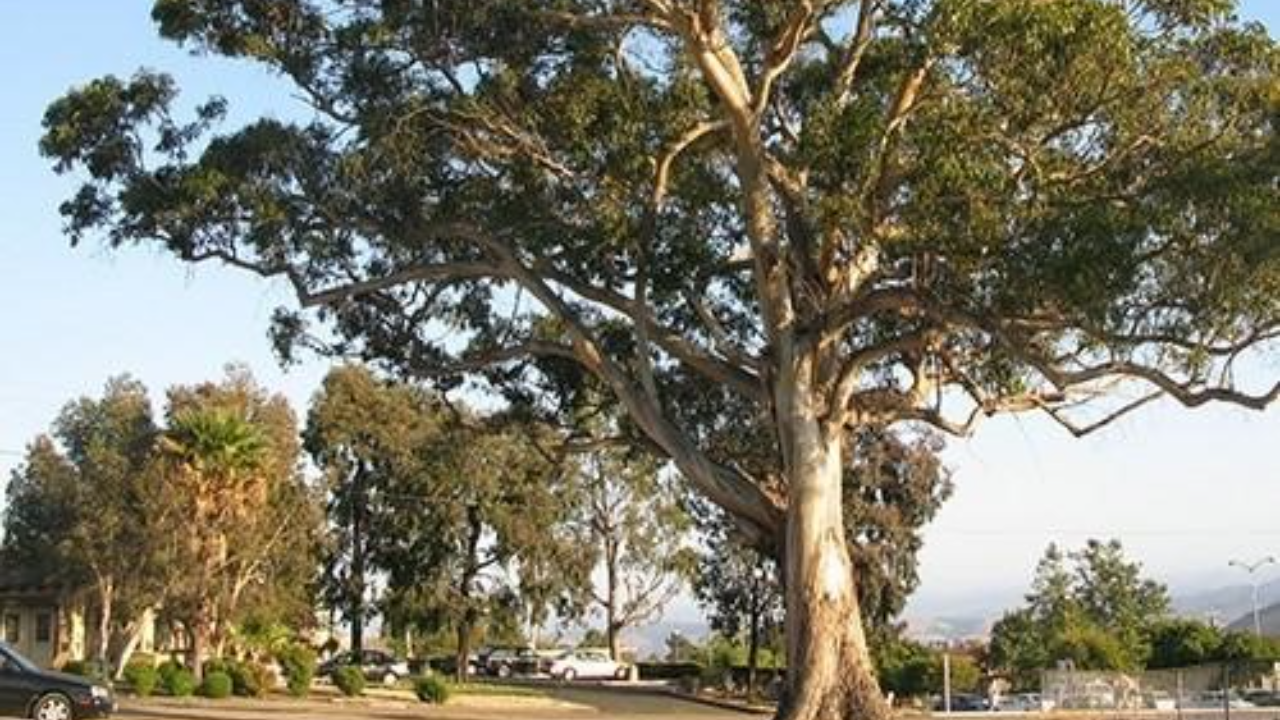
Johannesburg’s green spaces are getting attention as the city continues its fight against invasive alien plants that threaten local biodiversity and indigenous vegetation.
As part of its ongoing conservation efforts, Johannesburg City Parks and Zoo (JCPZ) is working with environmental partners to remove invasive plants and restore affected areas with indigenous trees.
The latest work includes the removal of approximately 103,506m² of invasive vegetation at Manie Mulder Adventure Centre, with plans to introduce new indigenous trees at the site and Little Falls Resort.
The initiative forms part of a wider campaign encouraging residents to understand the environmental threat posed by invasive species and help protect the city’s natural spaces.
120 indigenous trees to help restore Joburg’s green spaces
The restoration project will receive a boost through the donation of 120 indigenous trees from the South African Reserve Bank.
Of these, 40 trees are scheduled to be planted at Manie Mulder Adventure Centre on Thursday, 22 October 2026. The remaining 80 will go to Little Falls Resort.
The planting follows work by JCPZ, the Department of Forestry, Fisheries and the Environment (DFFE), and the South African Reserve Bank to clear invasive vegetation at Manie Mulder Adventure Centre.
Known for its waterfalls, greenery and peaceful surroundings, the site offers residents an opportunity to enjoy nature within Johannesburg. Protecting spaces like these is important for maintaining the city’s natural heritage and preserving indigenous plant life.
Replacing invasive vegetation with indigenous trees is a key part of restoring these environments and supporting local biodiversity.
A decade of fighting invasive alien species
Johannesburg’s efforts to tackle invasive plants are not new. JCPZ launched its Alien Invasive Campaign in October 2015, building awareness among residents and businesses about the risks these species pose.
The campaign continues through National Invasive Species Week, observed from 11 to 15 October, as well as activities throughout October.
This year’s theme, ‘Know the threat, protect our biodiversity: Empowering local communities with knowledge on Alien Invasive Species’, highlights the importance of public awareness in environmental conservation.
Invasive plants can spread rapidly, produce large quantities of seeds and thrive across different habitats. Their ability to outcompete indigenous vegetation makes them a threat to the plants that naturally belong in local ecosystems.
How residents can identify and report invasive plants
Spotting invasive species early can help support efforts to control their spread.
JCPZ encourages residents to look out for plants that display characteristics such as:
- Rapid growth: Plants that spread quickly and establish themselves across large areas.
- Excessive flowering: Species that produce unusually abundant flowers.
- Large quantities of seeds: Plants capable of spreading rapidly through seed production.
- Adaptability: Species that thrive across a wide range of habitats.
- Competition with indigenous plants: Vegetation that spreads aggressively and crowds out local species.
These characteristics alone do not confirm that a plant is invasive, so suspected species should be reported for assessment.
Residents can contact JCPZ’s Integrated Catchment Management team on 011 791 1117 to report suspected invasive plants.
Protecting Joburg’s environment is a shared responsibility
Beyond the environmental damage, controlling invasive alien plants also places pressure on municipal finances. JCPZ notes that eradication efforts come at a significant cost to the city’s resources, potentially affecting the delivery of other services.
JCPZ Managing Director Thanduxolo Mendrew said tackling invasive species is essential to protecting Johannesburg’s biodiversity, indigenous vegetation and natural heritage.
The campaign serves as a reminder that conservation is not limited to large-scale municipal projects. Residents can also contribute by learning to recognise invasive species, reporting suspected infestations and supporting efforts to preserve local green spaces.
Be the first to know – Join our WhatsApp Channel for content worth tapping into! Click here to join!
Follow Joburg ETC on Facebook, Twitter, TikTok and Instagram
For more News in Johannesburg, visit joburgetc.com