News
Acsa Cites Typing Error as George Airport Tender Faces Scrutiny
Acsa cites a typing error for controversy over a George Airport security tender clause, raising wider concerns about state security procurement processes.
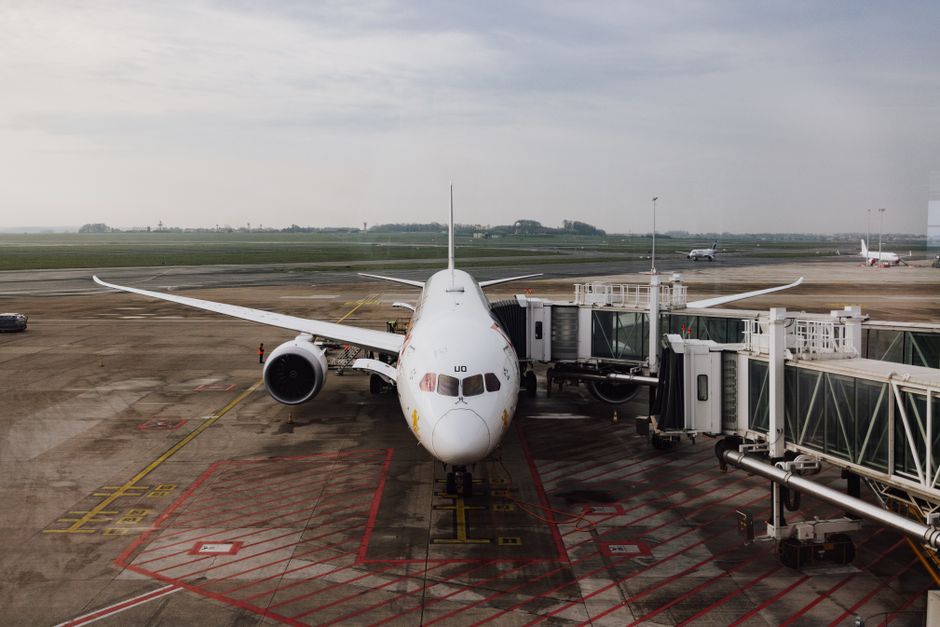
Controversy Over Security Tender at George Airport
Airports Company South Africa (Acsa) is under scrutiny after it attributed a controversial security licensing clause in a recent George Airport tender to a typographical error. The tender, which was withdrawn last week following legal action from security firms, contained provisions that drew immediate objections from industry stakeholders.
Clause Raises Concerns Among Security Companies
The contentious clause appeared to allow contractors outside of Acsa’s approved security supplier panel to obtain licenses, a move that some security companies argued was inconsistent with previous court rulings limiting such appointments. One firm stated that the clause seemed to contradict established panel arrangements.
“All bidders who are currently providing security services to the airport stakeholders will continue to do so irrespective of the outcome of this bid. Newly appointed bidders will also be awarded a licence to provide security services to the airport stakeholders.”
The above provision, described by Acsa as the result of a typing mistake, formed part of a request for quotation (RFQ) issued on 16 October for security services at George Airport. The five-month contract was scheduled to commence in November and called for quotations within six days, requiring 30 security personnel, including armed guards, supervisors, and a site manager.
Legal Action and Wider Industry Objections
Eagle Eye Security Specialists challenged the procurement process in the Western Cape High Court, highlighting the licensing clause among their primary objections. Referring to past litigation involving Acsa security tenders, the company pointed to a December 2023 interim interdict that had suspended the implementation of a disputed security panel procurement process and affected all subsequent licences and allocations.
According to Eagle Eye, the current George Airport RFQ appeared to bypass those court-ordered restrictions by potentially granting stakeholder licenses to new contractors without clarifying how this aligned with the existing legal constraints. “Eagle Eye considers this an apparent attempt to circumvent existing safeguards,” a company spokesperson noted.
Acsa, in response, denied any link between the recent tender and the previous litigation, noting that the 2023 tender process had been reviewed and set aside. They also referenced a separate emergency security tender in 2024, which was interdicted and later cancelled, as further background to the sequence of events.
Bidding Process and Additional Concerns Raised
Beyond the licensing issue, Eagle Eye also objected to the brief bidding window, procurement methodology, pricing instructions, and the requirements regarding the number and roles of staff. The company pressed for transparency around the estimated contract value and the official approvals backing the procurement process.
Fidelity Security Services, through its legal representatives, submitted additional questions related to conflicting pricing instructions, work schedules, airside access requirements, and licensing conditions. The company also sought clarity concerning statutory rest periods and whether the proposed staffing model adequately recognized these regulations. Fidelity did not respond to further media queries.
Acsa’s Procurement Response
Acsa maintained that its procurement process adhered to the Public Finance Management Act and its internal supply chain policies, noting that issuing RFQs to existing panel members was a standard procedure for contracts valued under R5 million. The company said no deviation from procurement policy was needed in this case.
Growing Scrutiny of State Security Contracts
This latest dispute comes at a time of heightened concern over security procurement practices by state entities. In August, it was reported that the Minister of Transport, Barbara Creecy, ordered forensic investigations into tenders involving Acsa, the South African Civil Aviation Authority, and the Passenger Rail Agency of South Africa (Prasa).
The investigation originated after revelations regarding Reshebile Aviation and Protection Services, a company placed in liquidation. Security duties at Prasa continued through Reshebile Aviation Solutions, which is not listed on Acsa’s approved panel, raising further questions about supplier eligibility and contract adherence. The contested Prasa arrangements reportedly involved monthly payments in the range of R16 to R18 million, resulting in over R1 billion in total payments to both Reshebile entities. Prasa had cited reliance on Acsa’s supplier panel as the basis for its appointments.
Broader Implications for Public Procurement
Wayne Duvenage, chief executive officer of the Organisation Undoing Tax Abuse (Outa), expressed concern over state tenders that do not follow established procedures. He argued that lapses in due process frequently result in expensive legal disputes and delayed or compromised services, with negative consequences for the public.
The debate around the George Airport tender and wider security procurement policies reflects ongoing challenges in balancing transparency, efficiency, and compliance in state contracting. While Acsa has attributed the problematic clause to a typographical mistake, stakeholders will likely continue monitoring state procurement for adherence to legal and regulatory standards.
Understanding the Broader Context
Public procurement in the security sector often involves intricate legal and policy requirements intended to ensure fairness, value for money, and public safety. Challenges such as ambiguous tender clauses, short bidding windows, or inconsistent staffing requirements can trigger disputes, particularly when significant government funds and essential services are at stake.
As scrutiny intensifies and key players call for greater transparency, this episode at George Airport underscores the importance of clear, accountable processes in public-sector procurement, especially where safety and public funds are involved.
Follow Joburg ETC on Facebook, Twitter, TikTok and Instagram
For more News in Johannesburg, visit joburgetc.com
Source: citizen.co.za