News
Blacklisted eThekwini contractors re-emerge to win city tenders, costing taxpayers millions
Blacklisted eThekwini contractors are reappearing under new names to win tenders, raising procurement and accountability concerns ahead of 4 November elections.
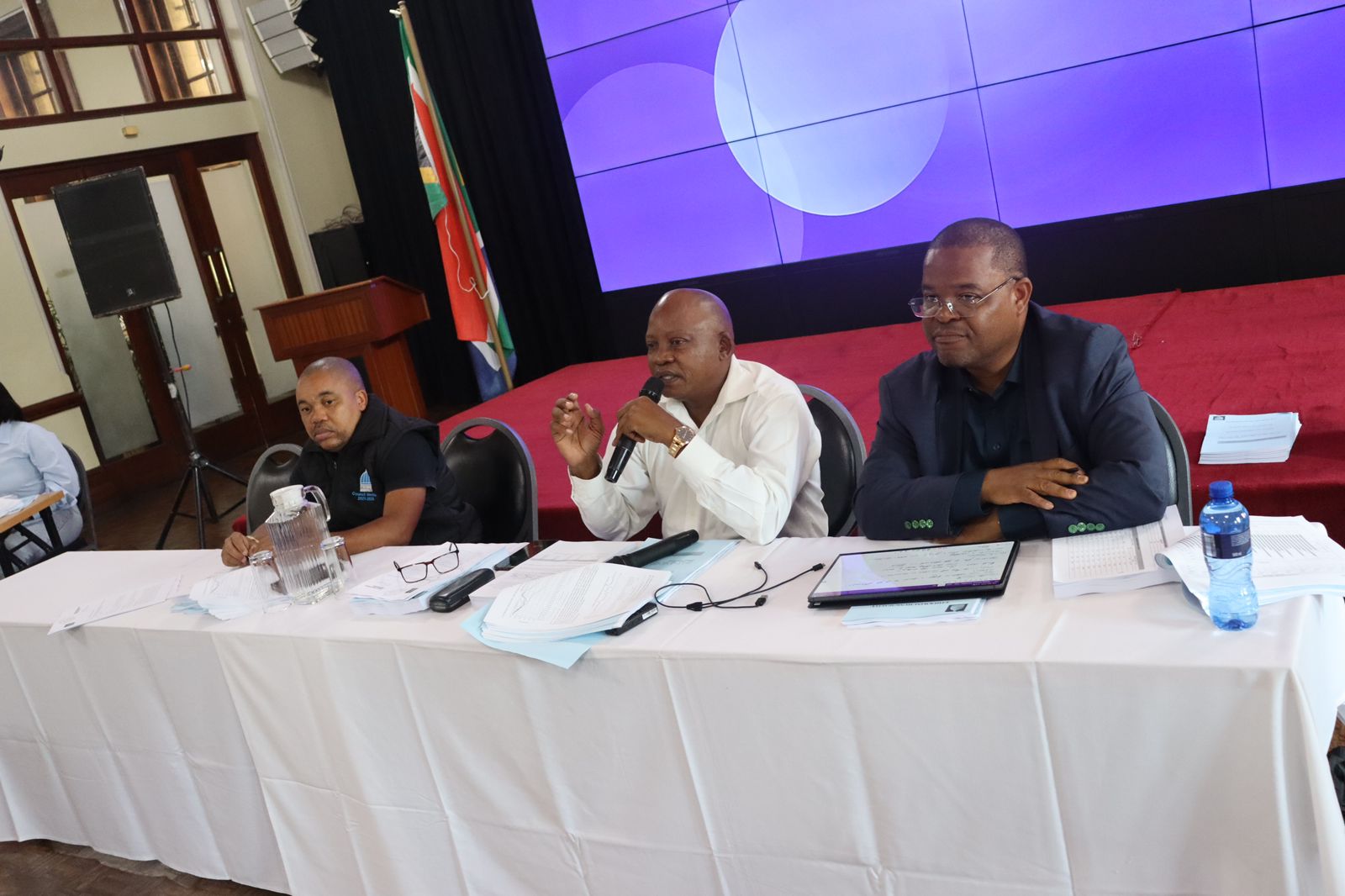
What candidates said at the debate
Candidates at IOL’s eThekwini mayoral debate told voters the pattern of failed contractors returning to do work for the city has real financial consequences. According to participants, these issues affect services from refuse collection to road rehabilitation, infrastructure and housing delivery.
By the second quarter of the 2025/26 financial year, 16 contractors had failed to meet their Key Performance Indicators, the debate heard a fact cited as evidence of systemic underperformance on multiple service contracts.
ANC response and oversight report
The African National Congress (ANC) confirmed the existence of an oversight report and framed it as a transparency measure. Party convenor Thabani Nyawose explained that the matter has been presented to council and that blacklisting follows legal processes.
“We are transparent, because where the ANC is in charge, we don’t hide, we report to council that these are service providers who failed. Those reports were presented to council for council to decide,”
“is ongoing and is not a short process. People have to follow the law.”
The ANC position, as presented at the debate, is that formal procedures are being followed and that blacklisting is not instantaneous but a process that requires adherence to legal steps.
Opposition parties question accountability
Opposition speakers challenged the effectiveness of the current system. The Economic Freedom Fighters (EFF) mayoral candidate argued that blacklisted suppliers are reappearing under different names and continuing to receive work, placing additional strain on council budgets.
“Most of the people that receive tenders, we know where to be found. A huge percentage of the work is not done. It comes back to council, we amend budgets, and we get somebody else to do it. That’s what we’ve been doing”
“Our contractors that fail, they seem to get blacklisted. They change the name; they get another gender. Those things must stop. They own the city hundreds and hundreds of millions. Who’s accounting?”
The Democratic Alliance (DA) also raised concerns about contractor concentration and technical capacity. The DA’s Alicia Kissoon said the city is now controlled by “super-contractors” who won plumbing tenders without plumbing experience and now dominate plumbing work, a situation the party linked to ongoing leaks and labour disputes.
Financial and service impacts outlined
Speakers at the debate warned that the return of problem suppliers imposes direct and indirect costs on the municipality and its residents. Candidates described budget adjustments and the need to reassign work when contracts fail, and pointed to broader fiscal pressures facing the city.
The city is owed over R15 billion in unpaid rates and services, the debate heard; at the same time, non-revenue water losses have risen to over 60%. Panelists linked these fiscal strains to difficulties in maintaining consistent service delivery and recovering revenue.
Those presenting the issues said repeated failures by contractors lead to additional expenditure when projects must be completed by others, which they characterised as costing taxpayers “hundreds and hundreds of millions.”
Proposed fixes debated
Candidates offered several responses aimed at strengthening procurement integrity and improving service response times. One proposal endorsed during the discussion was a move to a fully automated electronic tender system designed to limit human interference in awarding contracts.
Proponents pointed to a pilot of such a system in the KZN Provincial Treasury as an example of where automation had been trialed. Debate participants framed automation as a tool to reduce opportunities for manipulation within tender processes.
Another proposal put forward was to insource critical trades. Supporters said bringing plumbers and artisans onto municipal payrolls could improve the city’s ability to deal with urgent problems, with a suggested target of responding to leaks within 48 hours.
Why this matters for voters
The resurfacing of blacklisted contractors intersects directly with questions voters commonly raise in municipal elections: the reliability of basic services, the stewardship of public funds, and the transparency of procurement. When contracts are not delivered to standard, municipal leaders must either find replacement suppliers or absorb additional costs, both of which can delay services and strain budgets.
Public concern in the debate centred on accountability: who makes decisions about blacklisting, how those decisions are enforced, and whether changes of company name can be tracked and blocked from future awards. Candidates used the platform to contrast their approaches to procurement oversight and service delivery.
Broader context on procurement risks (general)
In many municipal settings, procurement systems that lack strong controls can be vulnerable to misuse. Commonly discussed remedies include clearer vendor screening, stronger contract monitoring, digital tender platforms that reduce manual discretion, and more robust sanctions against repeat offenders. These are general options that policy-makers often consider when addressing similar patterns of contractor underperformance.
The debate made clear that procurement integrity and the management of service contracts will be central topics in the run-up to the 4 November local government elections. Candidates framed different remedies and accountability measures as priorities for municipal leadership.
Voters in eThekwini will therefore be choosing not only political leadership but also the policy direction on how the city manages its contractors, protects municipal finances and restores consistent service delivery.
Follow Joburg ETC on Facebook, Twitter, TikTok and Instagram
For more News in Johannesburg, visit joburgetc.com
Source: iol.co.za