News
101% electricity price hike hits South Africa
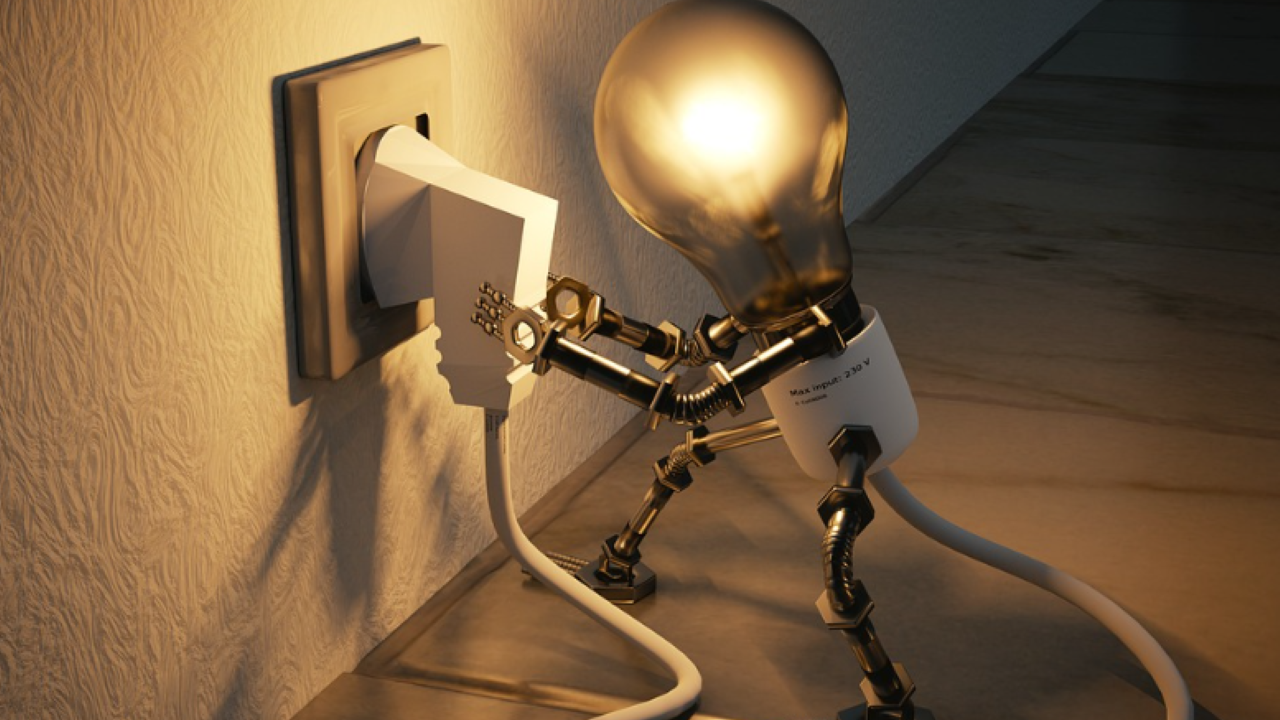
Electricity prices in South Africa have surged by approximately 101% since 2020, significantly outpacing general inflation and deepening the financial strain on households already battling rising living costs.
According to the Competition Commission‘s latest Cost of Living Report, cumulative electricity price inflation reached approximately 100.5% by July 2026, compared with a 35% increase in overall consumer prices over the same period.
The findings highlight the growing burden of essential utility costs, with electricity and water among the most significant administered expenses facing South African households.
The commission warned that these services are difficult to avoid, saying: “As essential services with few practical substitutes, increases in electricity and water tariffs have an immediate and unavoidable impact on household expenditure.”
Pressure
Between July 2025 and July 2026, electricity prices increased by 8.1%, while water tariffs rose by 10.1%. This was significantly higher than the 4.3% headline consumer inflation recorded over the same period.
The rising costs come amid continued pressure on Eskom to balance its financial sustainability with affordability for consumers.
In February, the National Energy Regulator of South Africa (NERSA) approved an 8.76% electricity tariff increase for Eskom’s direct customers from April 2026, followed by a further 8.83% increase in April 2027.
The regulator said its revised tariff determination was intended to balance Eskom’s financial sustainability with customer affordability while limiting immediate price shocks.
Eskom’s published tariff schedule also confirms a 9.01% increase for municipal tariffs from July 2026, compared with 8.76% for direct customers.
Rising electricity costs
Further increases are expected to compound the pressure. In October, Parliament’s Standing Committee on Appropriations raised concerns about Eskom’s proposed 8.83% increase for direct customers and 8.84% for municipal customers from April 2027, which remain subject to regulatory approval.
Committee chairperson Mmusi Maimane warned that rising electricity costs were forcing households to make difficult choices.
“Rising electricity costs force households to choose between essential expenses such as school fees, food and electricity,” he said.
Meanwhile, Eskom chairperson Mteto Nyati has indicated that the utility will prioritise reinvesting its approximately R30 billion profit rather than using the money to provide tariff relief.
“We have decided not to declare a dividend; we are going to put the money to good use…so that we never go back to the situation we had a few years ago,” Nyati said in September, according to BusinessTech.
Eskom has committed to keeping future increases below double digits, but the trajectory suggests electricity prices could continue rising faster than general inflation, leaving households with little prospect of meaningful relief in the coming years.
Be the first to know – Join our WhatsApp Channel for content worth tapping into! Click here to join!
Follow Joburg ETC on Facebook, Twitter, TikTok and Instagram
For more News in Johannesburg, visit joburgetc.com
Picture: Pixabay / African Insider
Words: Betha Madhomu / African Insider