News
Trump moves to suspend South Africa from AGOA
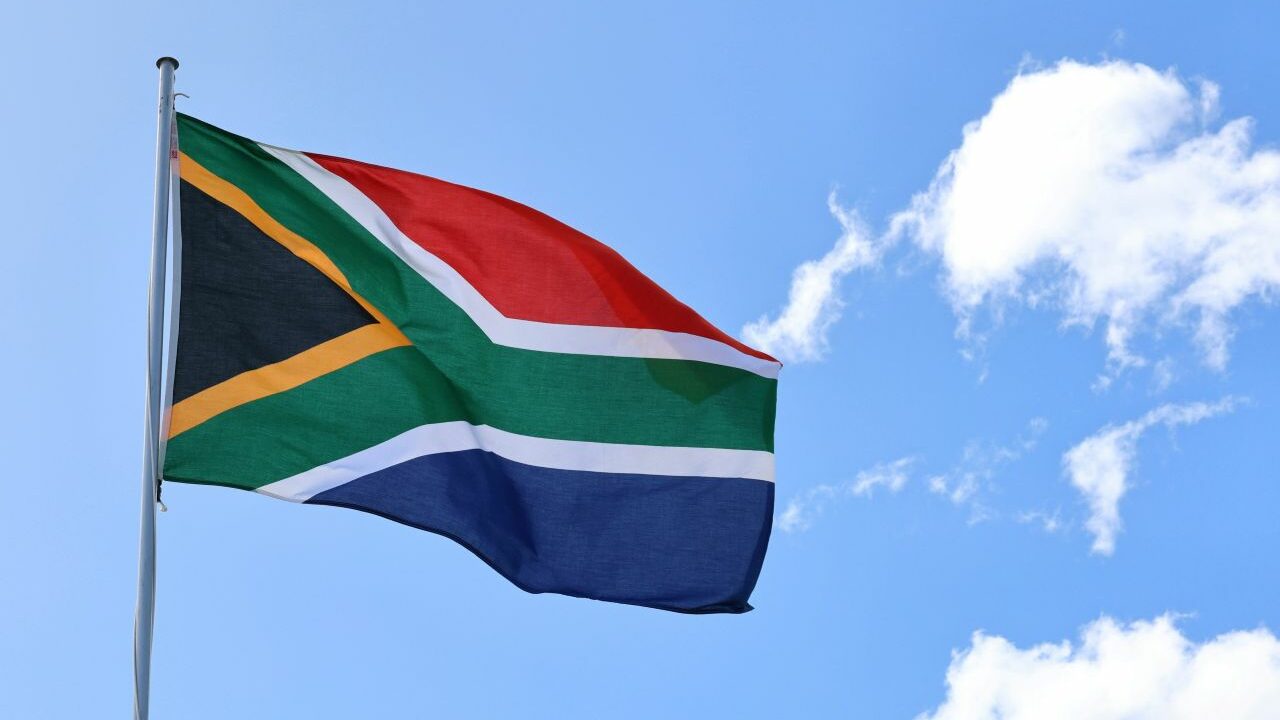
South Africa is facing another setback in its strained relationship with the United States after the Trump administration announced plans to suspend the country from a trade programme that has given local exporters preferential access to the American market.
US Trade Representative Jamieson Greer said on Monday, 2 November, that Washington intends to suspend South Africa and Rwanda from the African Growth and Opportunity Act (AGOA).
The announcement puts South African businesses that export to the US under renewed pressure, as the two countries continue to navigate disagreements over trade, foreign policy and the South African government’s domestic policies.
According to Reuters, the US administration believes South Africa’s practices do not meet AGOA’s eligibility requirements. Washington has raised concerns about barriers to American trade and investment, corruption, and matters relating to its national security and foreign policy interests.
What is AGOA and why does it matter to South Africa?
Introduced in 2000, AGOA gives eligible sub-Saharan African countries preferential, duty-free access to the US market for thousands of products.
The programme is intended to strengthen trade between the US and African countries while creating opportunities for economic growth.
South Africa has been its largest beneficiary. Reuters reported that the country exported approximately $1.7 billion worth of goods to the US under AGOA in 2025.
Losing these benefits could make certain South African products more expensive or less competitive in the American market, depending on the tariffs that would apply.
For businesses selling goods abroad, changes to trade arrangements can affect pricing, competitiveness and decisions about which markets to serve. The potential consequences therefore extend beyond government negotiations to companies and the people they employ.
Why is the Trump administration targeting South Africa?
The proposed suspension comes amid growing tensions between Washington and Pretoria.
The Trump administration has criticised South Africa over its domestic policies and its foreign relations. These disagreements include allegations by Trump that white South Africans face persecution, claims the South African government rejects.
Washington has also objected to South Africa’s foreign policy, including its genocide case against Israel at the International Court of Justice. Israel denies the genocide allegations.
The trade dispute adds another layer to an already difficult relationship between the two countries.
AGOA eligibility is reviewed regularly, with participating countries expected to meet requirements relating to governance, the rule of law, human rights and removing barriers to US trade and investment.
South Africa says it is prepared for the outcome
Before Monday’s announcement, South Africa had already indicated that it was preparing for the possibility of losing its AGOA benefits.
Trade, Industry and Competition Minister Parks Tau said the government remained open to negotiations with Washington and was confident that the proposals it had put forward would receive a favourable response.
In a statement published by SAnews on 30 October, Tau said South Africa would continue working to stabilise trade and investment relations while exploring opportunities in other markets.
The government has also highlighted the importance of the broader economic relationship between the two countries.
According to Tau, bilateral trade reached $28.8 billion in 2025, while more than 600 American companies operate in South Africa, supporting approximately 134 600 jobs.
These figures show why the future of the relationship matters to both countries, even as disagreements continue.
South Africa is looking beyond the US
Pretoria has been working to reduce its reliance on individual export markets by pursuing opportunities elsewhere.
According to the government, its market diversification efforts include opportunities across Africa, as well as in China, India, the European Union and other international markets.
President Cyril Ramaphosa had also warned that South Africa needed to prepare for the possibility of being removed from AGOA, highlighting the importance of finding alternative destinations for local products.
However, developing new markets does not automatically replace existing trading relationships. Businesses may need to establish new customers and meet different market requirements, making diversification an important longer-term process.
What happens next?
The latest announcement raises questions about the future of South Africa’s preferential access to the American market.
The final implementation of any suspension, including its timing and precise scope, remains important for exporters to understand. South Africa’s government has said it remains willing to engage with Washington on outstanding concerns.
For local businesses, the immediate issue is what the proposed change will mean for their products, export costs and access to customers in the US.
South Africa’s next steps will involve continuing diplomatic engagement while strengthening alternative trade relationships.
The situation also highlights the challenge facing the country as it seeks to protect export opportunities and jobs while navigating an increasingly difficult relationship with one of its major trading partners.
Be the first to know – Join our WhatsApp Channel for content worth tapping into! Click here to join!
Follow Joburg ETC on Facebook, Twitter, TikTok and Instagram
For more News in Johannesburg, visit joburgetc.com