Sports
Pay R55 000 or lose your place: Swimming SA’s Beijing ultimatum
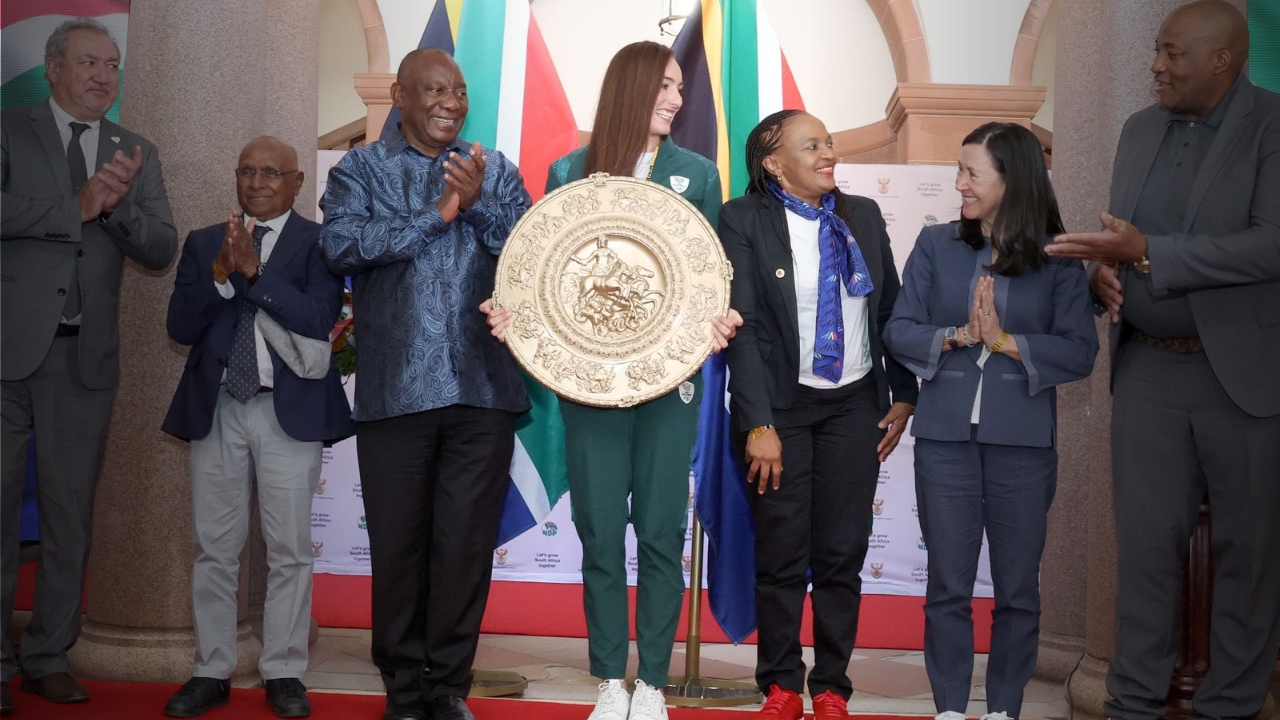
Making the national team is supposed to be the hard part. Swimmers spend years of early mornings and chlorine-bleached hair earning that green and gold cap. For the athletes picked for this year’s world championships in Beijing, though, the selection letter came with a bill, Joburg Etc reports.
What Swimming SA is asking for
According to Briefly Swimmers selected for the World Aquatics Swimming Championships (25m) have been told by Swimming South Africa (SSA) to pay up to R55 000 (excluding visas) to travel with the team. Those who don’t meet the payment requirements risk being pulled from the squad.
The event runs from 1 to 6 December at Beijing’s National Aquatics Centre, better known as the Water Cube. More than 1 000 athletes from over 200 countries are expected to compete. South Africa’s 21-swimmer squad is headlined by Pieter Coetzé and Olympic champion Tatjana Smith, who recently came out of retirement.
A federation under a cloud
The demand lands at a rough moment for SSA. On 24 August, the Aquatics Integrity Unit, the independent disciplinary arm of World Aquatics, provisionally suspended SSA president Alan Fritz and chief executive Shaun Adriaanse. The unit cited potential violations of the World Aquatics Integrity Code, including abuse of power and the provision of false information and fake documents.
Both men are barred from holding any position at SSA or attending any aquatics event while proceedings continue. A provisional suspension is not a finding of wrongdoing, and the process is still running.
Smith’s story
For Smith, the suspensions came too late. In a video clip shared on 1 November, Carte Blanche said the action had come ‘far too late’ for athletes like her.
In the clip, South Africa’s most decorated Olympian says she carries a lot of emotion saying, ‘I’m the most decorated Olympian in South Africa and I sit with all this emotion. But I’m smiling it away because I want to be proud, I am proud to be South African. I don’t want to continue pursuing a career where I’m constantly in fear. You don’t feel safe to just speak up’, she said tearfully.
Two months ago, Swimming SA president, Alan Fritz, and CEO Shaun Adriaanse were provisionally suspended by the Aquatics Integrity Unit on charges of fraud and abuse of power. But for athletes like Tatjana Smith, this action comes far too late. #CarteBlanche @ermbates https://t.co/SbkKOCs9Tf
Carte Blanche (@carteblanchetv) November 1, 2026
Her complaints go back to the 2023 world championships in Fukuoka, where she won gold in the 200 metres breaststroke. Her US$35 000 (about R570 000) in prize money was held by SSA for more than a year. Her lawyers sent a letter of demand on 25 August over the interest on that money, which was allegedly kept as a ‘management fee’. SSA agreed to pay and on 13 October its acting president, Zikie Molusi, apologised to Parliament’s sports portfolio committee. The federation paid R75 000 in interest.
Smith has also said her success came from her support group, not the federation. She estimates her parents and those around her put in about R10 million over her 16-year career. She has since launched the Lighthouse Sport Foundation, an independent space for swimmers who are afraid to speak up.
This isn’t the first time
South African swimmers have been here before. In 2013, athletes heading to the world championships in Barcelona were told to cover their own flights and hotels after the federation lost its major sponsor. The sport ministry eventually stepped in with R2.7 million.
In July this year, three artistic swimmers chosen for the junior championships in Hungary were asked for R120 000 each, according to Daily Maverick. Plenty of smaller codes also rely on athletes paying their own way.
Where does the prize money go?
World Aquatics has put up a prize pool of at least US$2 million for Beijing, paid to member federations, not directly to swimmers. Prize money and travel costs are separate budgets. But when athletes are asked to pay up, people naturally want to know how the money moves.
Sports Minister Gayton McKenzie promised in January 2025 to come at swimming ‘like a thunderstorm’, according to BizNews. The department McKenzie leads has faced its own questions over money. According to the parliamentary record of the Auditor-General’s briefing on 27 October, the Department of Sport, Arts and Culture reported R67 million in irregular expenditure for 2025/26, excluding about R51 million still under assessment.
Selection becomes a test of family income
Swimming is already an expensive sport, with pool access, coaching and travel all adding up long before a national call-up. In a country where access to decent pools is uneven, a R55 000 fee risks turning selection into a measure of what a family can afford, not how fast a child can swim.
That’s the real cost of pay-to-play. The swimmers who can’t raise the money don’t just miss a trip. South Africa may miss a talent it never got to see.
What happens next
With the championships less than a month away, the clock is ticking for swimmers and their families. Whether sponsors, government or the federation itself step in remains to be seen. For now, plenty of South Africans are watching to see who will fund the flag.
Be the first to know – Join our WhatsApp Channel for content worth tapping into! Click here to join!