Property News
South Africans are moving closer to home as near-migration reshapes property trends
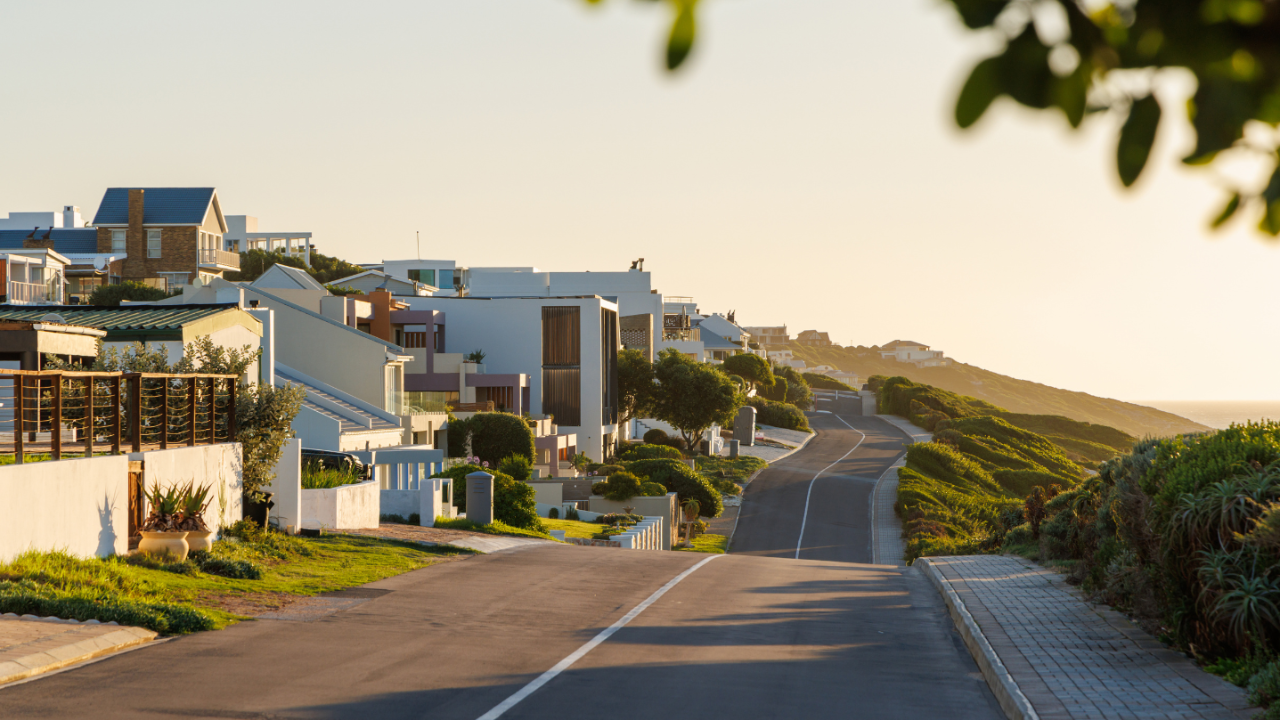
South Africans are rethinking what it means to move for a better lifestyle. Instead of packing up and heading to another province, more homeowners are choosing to relocate closer to where they already live, searching for better value, more space and a lifestyle that works without putting too much distance between them and their jobs, schools or familiar surroundings.
The trend, increasingly referred to as near-migration, is shifting the focus of the country’s property market towards neighbouring suburbs, smaller towns and areas just beyond major urban centres.
According to Stephan Potgieter, CEO of BetterHome Group Mortgage Origination and BetterBond, buyers are increasingly looking for lifestyle improvements within reach rather than making major provincial moves.
Property data suggests the shift is already taking shape. Research by LOOM Property Insight found that 64.5% of homeowners who sold and purchased another property in 2025 stayed within the same municipality, while four out of five remained in their province.
The search for more space without losing convenience
The Western Cape remains one of the country’s most sought-after property destinations, but rising prices are forcing buyers to look beyond established residential hotspots.
House prices in the province increased by 13% year-on-year, while Cape Town recorded approximately 12% growth in the year to June 2026. For buyers struggling to stretch their budgets, moving beyond the city could offer an opportunity to secure more property for less.
LOOM data suggests buyers purchasing outside Cape Town’s metropolitan area pay roughly 38% less per square metre of land.
This is helping fuel interest in the Overstrand, Saldanha Bay and the Winelands, where buyers can trade city congestion for more space without completely disconnecting from the Cape’s economic and social hubs.
Stellenbosch has also seen residential transfers rise by 40% between 2024 and 2025, while the Riebeek Valley recorded a 47% increase. Coastal destinations are attracting their fair share, too, with Hartenbos recording a 58% increase in transfers and Langebaan growing by almost 15%.
Remote working arrangements and the appeal of a slower pace of life are making these locations increasingly attractive.
Gauteng buyers are not necessarily leaving
Despite perceptions that residents are abandoning Gauteng for coastal provinces, property activity suggests many buyers are simply moving elsewhere within the region.
Greater Pretoria continues to attract people looking for secure neighbourhoods, good schools, access to the Gautrain and relatively better value for money.
Centurion recorded a 15% increase in buyer activity between 2024 and 2025, while Akasia saw residential transfers grow by 21.3%.
Johannesburg is also showing signs of renewed residential interest. Bryanston, in particular, has experienced notable growth, with property sales increasing by 32.5% over the same period.
Its proximity to Sandton, access to schools, secure residential options and variety of properties continue to make it appealing to families and professionals looking to settle somewhere that offers convenience without sacrificing lifestyle.
KwaZulu-Natal’s lifestyle shift
The North Coast remains a strong drawcard for buyers moving away from eThekwini, with Ballito and Salt Rock attracting those seeking better infrastructure, coastal living and a change of pace.
Further inland, the Midlands is gaining attention from families looking for cooler weather, open spaces and access to schools.
Hilton recorded a 27% increase in registered property transfers in 2025, while Howick saw an 11% increase between 2024 and 2025.
The appeal is increasingly about finding a home that offers breathing room while remaining connected to established economic centres.
Jobs are still influencing where people buy
Lifestyle alone is not driving the movement. Employment opportunities remain a major factor in where South Africans choose to settle.
Gqeberha is benefiting from renewed interest linked to automotive manufacturing and e-commerce, with buyers drawn to its coastal lifestyle and comparatively accessible property prices. The city’s average house price has reached approximately R1.3 million.
Kimberley is also experiencing renewed demand, with house price inflation reaching 25%. Mining, agriculture and renewable energy developments are contributing to interest in the Northern Cape city.
In Limpopo, demand for bushveld living and secure residential estates, particularly around Hoedspruit, is helping drive property growth.
Semigration is changing, not disappearing
The traditional idea of semigration – moving to another province in pursuit of a better life – is evolving rather than fading away.
Buyers are becoming more deliberate about how far they move, what they can afford and what they are willing to sacrifice for a particular lifestyle.
For some, that means leaving the city for a coastal town. For others, it could mean moving to a neighbouring suburb, a quieter part of Gauteng or a small town within driving distance of work.
Be the first to know – Join our WhatsApp Channel for content worth tapping into! Click here to join!
Follow Joburg ETC on Facebook, Twitter, TikTok and Instagram
For more News in Johannesburg, visit joburgetc.com