The battle between artists and artificial intelligence has taken a new turn and Taylor Swift is right at the centre of it.
The global pop star has filed trademark applications in the United States, targeting something far more personal than songs or albums. Her own voice and image. It is a move that could reshape how celebrities protect themselves in a world where AI can replicate almost anything.
A New Kind Of Protection In The AI Era
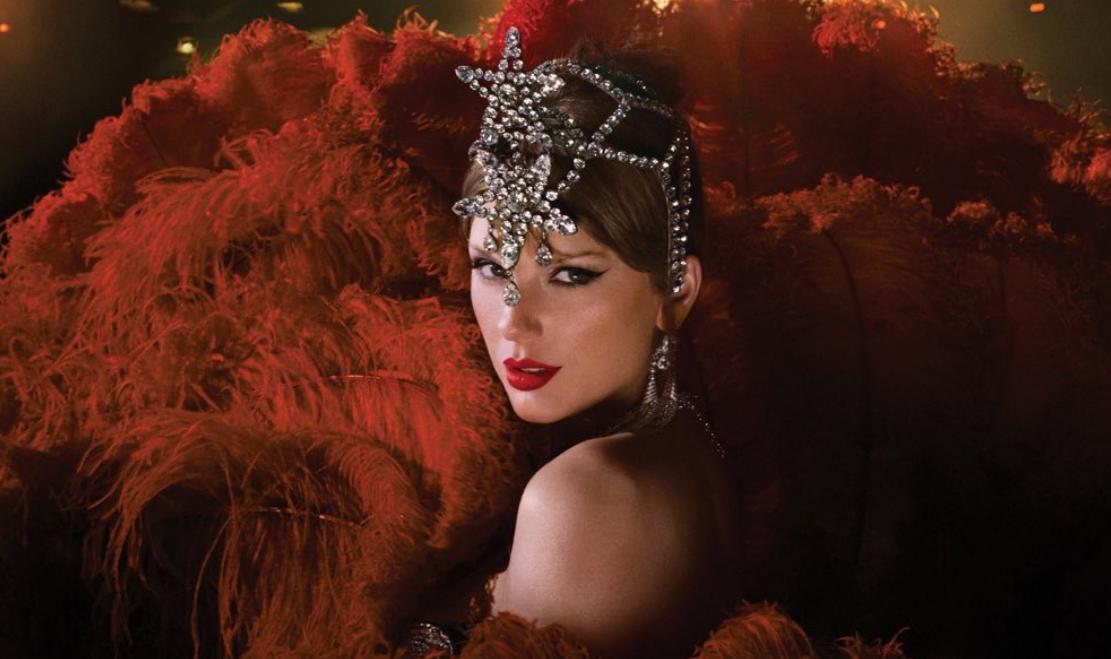
The filings, submitted through her company TAS Rights Management to the United States Patent and Trademark Office, include two short audio clips and a stage image of Swift performing with a pink guitar.
In one clip, she promotes her album The Life of a Showgirl on Amazon Music. In another, she encourages fans to pre-save the same project on Spotify. On the surface, they sound like standard promotional snippets. But legally, they may become something much bigger.
This is not about marketing. It is about ownership.
Why Her Voice Matters More Than Ever
AI technology has made it frighteningly easy to recreate a person’s voice without ever touching their original recordings. That means someone could generate entirely new audio that sounds like Swift, without technically breaking traditional copyright laws.
And that is where the gap lies.
Trademark law, according to experts, could offer a new layer of defence. Instead of protecting the recording, it protects the identity behind it.
A trademark attorney who analysed the filings described them as a test case. If successful, they could set a precedent for how voices are treated legally in the future.
Deepfakes Are No Longer A Fringe Problem
Swift’s move comes after years of her likeness being used in AI-generated content. These have ranged from misleading adverts to fake political endorsements and even explicit material.
It is not just about reputation. It is about control.
In South Africa, where musicians already struggle with piracy and fair compensation, the rise of AI deepfakes raises fresh concerns. If a global superstar like Swift is vulnerable, local artists face an even tougher fight in protecting their identity and income.
Not The First, But Possibly The Most Influential
Hollywood actor Matthew McConaughey has taken similar steps, with trademark filings aimed at protecting his own voice. His argument was simple. In an AI-driven world, consent and attribution should not be optional.
What makes Swift’s case different is her scale. She is one of the most recognisable voices on the planet. If her legal strategy works, it could become the blueprint for the entire entertainment industry.
A Shift In How Artists Defend Themselves
For decades, artists relied on copyright law to protect their work. But AI has changed the rules by creating something entirely new rather than copying what already exists.
That forces artists to rethink their approach.
By trademarking not just her image but the sound of her voice, Swift is drawing a line in the sand. It signals a future where identity itself becomes intellectual property.
And in a digital age where reality can be recreated in seconds, that line might be more important than ever.