Health
Gauteng health department warns of medicine shortages, steps in to avert treatment interruptions
Gauteng Health warns of medicine supply challenges linked to supplier delays and contract changes, and is moving stock, sourcing alternatives and working with national teams to prevent treatment interruptions.
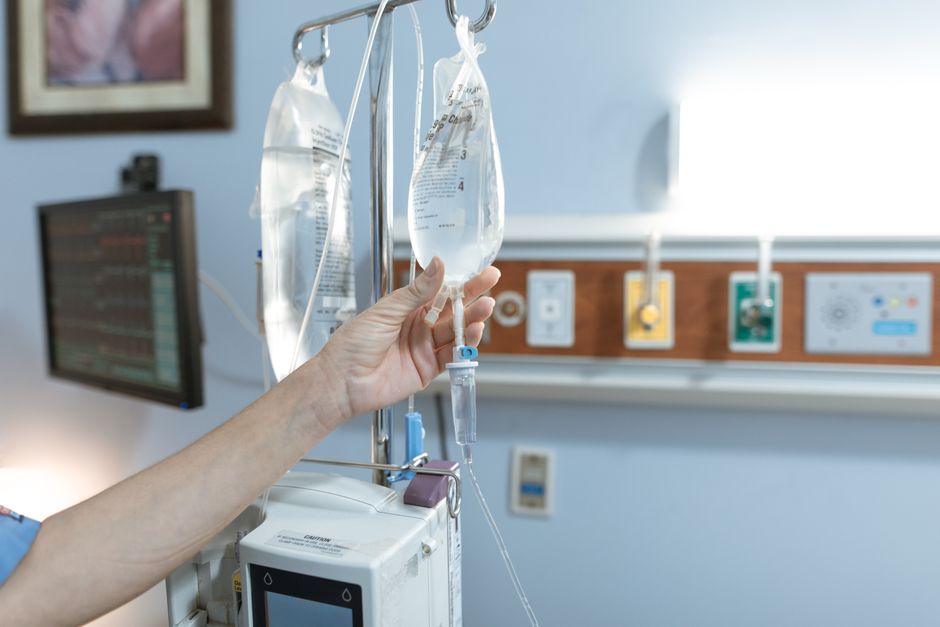
The Gauteng Department of Health has acknowledged that public health facilities across the province are experiencing medicine supply challenges and says interventions are under way to minimise disruptions to patient treatment.
What the department says is causing shortages
The department said the shortages are being driven by a range of pressures in the pharmaceutical supply chain. “These challenges are influenced by several factors, including changes in medicine contracts, supplier delays, procurement lead times, limited supplier participation and broader pharmaceutical supply-chain pressures,” the department said.
Measures to keep patients on treatment
Gauteng Health described a series of actions intended to prevent interruptions to care. These include moving available stock between facilities and districts, sourcing medicines from alternative approved suppliers and providing clinically appropriate alternatives where necessary.
The department pointed to its Medicine Availability and Escalation Protocol which allows facilities to give different pack sizes, strengths or clinically appropriate therapeutic alternatives in line with approved Standard Treatment Guidelines when a specific medicine, strength or pack size is unavailable.
Facilities and districts have been instructed to engage suppliers to speed up outstanding orders. The department said that, “as required, the Department may undertake buy-outs, meaning the sourcing of urgently needed medicines from another approved supplier, in line with Supply Chain Management processes.”
Monitoring and national support
Gauteng Health said it is using its Stock Visibility System to continuously monitor stock levels and identify potential shortages for escalation.
The province is also working with the National Department of Health. National measures cited include monitoring medicines through the National Surveillance Centre and the Stock Visibility System, identifying critical medicines on the national Hot List, and tackling supply problems through the Improved Medicine Availability Team.
The national department is engaging manufacturers, suppliers and provinces when shortages emerge, including investigating whether medicines can be sourced from other registered manufacturers when contracted suppliers cannot provide sufficient stock.
Impact on chronic patients
The provincial department acknowledged the disruption these shortages can cause. “The Department recognises that medicine shortages can cause anxiety and inconvenience for patients, particularly those who depend on chronic medication,” it said, adding that availability is being actively monitored and interventions implemented to minimise interruptions.
The department reiterated its commitment to maintaining continuity of care and said it will continue to work with national counterparts, suppliers, districts and facilities to address the current supply challenges and strengthen medicine availability across the province.
Follow Joburg ETC on Facebook, Twitter, TikTok and Instagram
For more News in Johannesburg, visit joburgetc.com
Source: iol.co.za