Lifestyle
ADHD in children: Why spotting the signs early can make all the difference
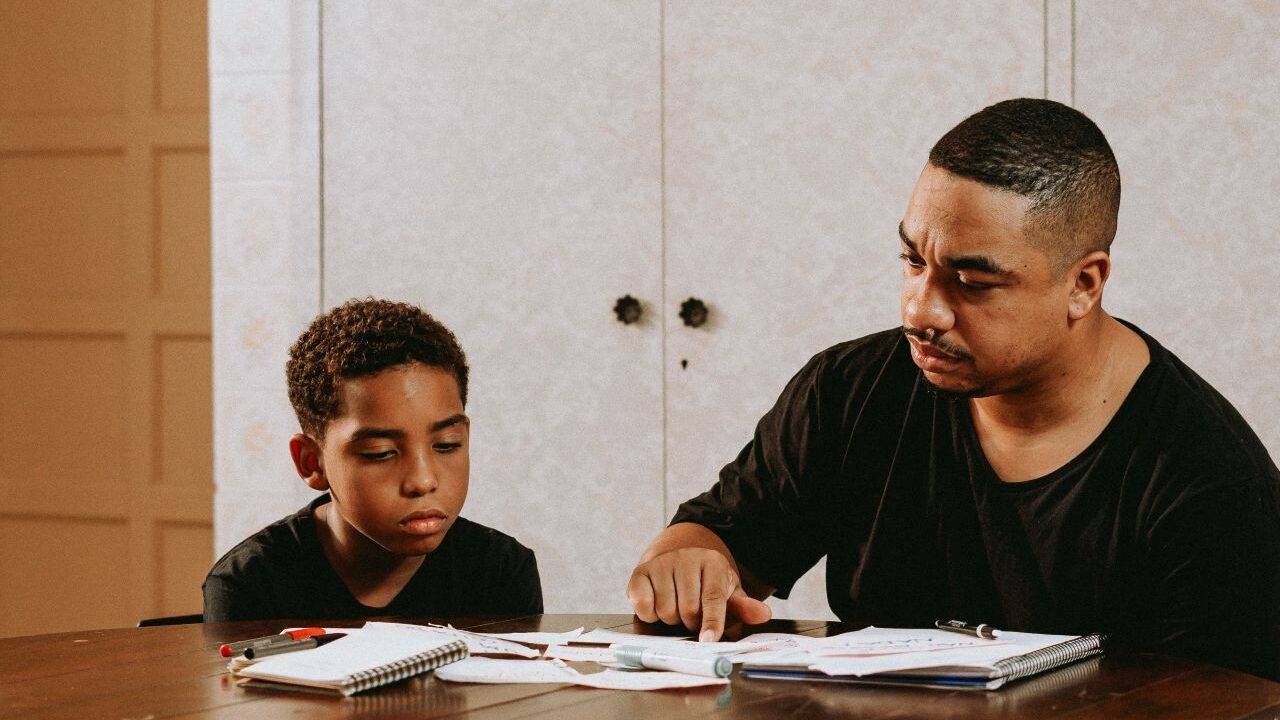
Children are naturally curious, energetic and easily distracted. From forgotten homework to endless fidgeting, many behaviours that worry parents can simply be part of growing up. But when these patterns become constant and begin affecting school, friendships and life at home, experts say it may be time to look beyond the ‘it’s just a phase‘ explanation.
Attention-deficit/hyperactivity disorder (ADHD) is one of the most common neurodevelopmental conditions affecting children. While it is often identified during the early school years, recognising the signs sooner can help children receive the support they need before challenges begin to affect their confidence and development.
Looking beyond normal childhood behaviour
According to Dr Doshen Naidoo, a paediatrician at Mediclinic Pietermaritzburg, the difference between typical childhood behaviour and ADHD lies in how often symptoms occur, how severe they are and whether they interfere with everyday life.
Rather than occasional moments of distraction or high energy, children with ADHD experience persistent difficulties with attention, impulsivity or hyperactivity across different settings, such as both home and school, for at least six months.
Teachers are often among the first to notice when a child is struggling to keep up with classroom routines, complete tasks or remain focused during lessons.
Why early diagnosis matters
Without the right support, children with ADHD may begin to believe they are lazy, naughty or not capable, when in reality they are dealing with a recognised medical condition.
Over time, these misunderstandings can affect academic performance, friendships and emotional wellbeing. Children may struggle to follow instructions, finish schoolwork or regulate their behaviour, increasing the risk of poor school performance, disciplinary action and social isolation.
Health experts also warn that ongoing frustration and repeated negative experiences can contribute to anxiety, depression and low self-esteem later in life.
What parents should know
One of the biggest misconceptions surrounding ADHD is that children will simply outgrow it or that concerns are limited to one teacher or classroom.
Dr Naidoo says professional assessment becomes especially important when a child’s behaviour consistently affects their ability to learn or reach their potential. Because other learning difficulties can sometimes resemble ADHD, a proper evaluation is needed before a diagnosis is made.
Assessments typically include interviews with parents, observations of the child, teacher feedback, medical examinations and, where necessary, additional psychological testing to rule out other conditions.
Schools play an important role
Support doesn’t stop once a diagnosis is made.
Schools can help children succeed by making simple classroom adjustments, including reducing distractions, breaking work into smaller tasks, allowing movement breaks and using clear written instructions alongside verbal guidance.
Positive reinforcement and supportive teaching strategies can also help protect a child’s confidence while creating a more inclusive learning environment. Where appropriate, learners may qualify for assessment accommodations such as additional writing time or quieter examination venues.
Growing awareness around ADHD
Across South Africa and internationally, conversations around ADHD have become more common as families, educators and healthcare professionals work to reduce stigma and improve access to support. Social media has also played a role in encouraging parents to seek advice when they recognise persistent symptoms in their children, although experts continue to stress that online content should never replace a professional assessment.
Dr Naidoo says an ADHD diagnosis should not be viewed as something that limits a child, but rather as a tool that helps families better understand how their child learns and experiences the world.
With early intervention and the right support network, children with ADHD can develop the skills they need to thrive at school, build healthy relationships and reach their full potential.
Follow Joburg ETC on Facebook, Twitter, TikTok and Instagram
For more News in Johannesburg, visit joburgetc.com