News
Inside the OR Tambo Airport incident that left two planes damaged
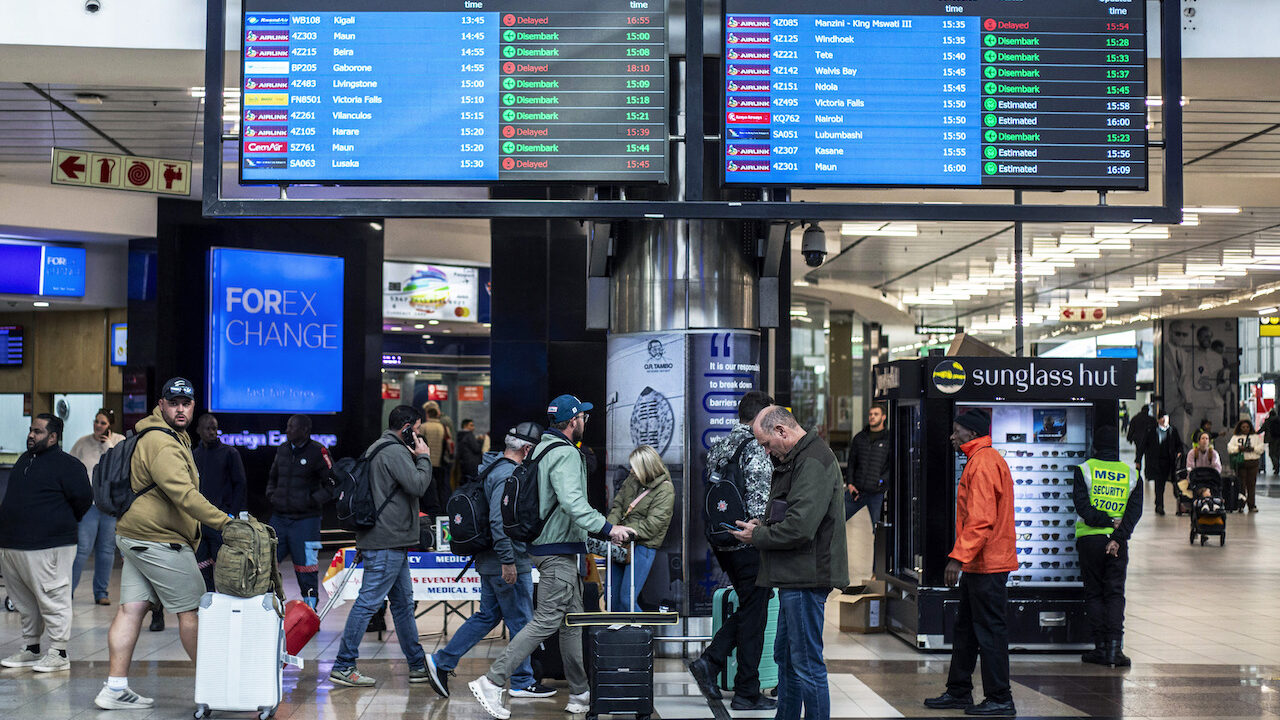
A routine aircraft towing operation at OR Tambo International Airport ended with two passenger planes damaged and a multimillion-rand claim after staff distractions and poor communication contributed to a collision in November 2022.
The findings were revealed by Transport Minister Barbara Creecy, as relayed by Newsday, in a written parliamentary response concerning the incident, which involved an aircraft belonging to South African Airways (SAA) and a parked Safair plane.
The collision happened on 11 November 2022 while the SAA Airbus A320-232 was being towed by SAA Technical personnel. It struck Safair’s Boeing 737-800, damaging both aircraft and taking them out of service.
An investigation by SAA Technical’s Safety Department subsequently identified two key problems: staff were distracted by tasks unrelated to the towing operation, and communication between the tug driver and the engineer was inadequate.
Safair sought millions in damages
The damage had consequences beyond the immediate repairs, with Safair seeking to hold SAA Technical liable for the incident.
According to Creecy’s response, the SAA aircraft sustained damage to its wingtip, while the Safair plane suffered significant damage to its rear tail section, known as the empennage.
Both aircraft were removed from service. While its Boeing 737-800 was being repaired, Safair used a Boeing 737-400 as a replacement.
Safair initially claimed US$446 059 for the repair costs and a further US$3.227 million for income lost while its aircraft was unavailable. The parliamentary question referred to a damages claim of R21.1 million.
Creecy said the claim was being handled by SAA Technical’s insurers in consultation with their appointed legal representatives. Her response did not provide a final outcome for the claim.
Safety changes introduced after the collision
Following the investigation, SAA Technical took disciplinary and training measures involving the staff responsible for the towing operation.
The tug driver and engineer were reprimanded and required to complete refresher training focused on human factors, particularly managing distractions and communicating effectively.
The company also introduced operational changes intended to prevent similar incidents.
These included banning the use of technical logbooks on the flight deck while an aircraft is being towed, requiring the flight deck door to remain closed and making two-way communication between tug drivers and onboard engineers compulsory during towing operations.
A new pre-tow verification process was also introduced, requiring the departure desk and team leaders to confirm that an aircraft was ready to be moved.
SAA Technical further reviewed how workloads were allocated, including relevant cut-off times, to reduce the pressure on staff to perform competing tasks during safety-critical operations.
The collision was also incorporated into human-factors training programmes to reinforce the lessons learned among relevant personnel.
Parliamentary questions bring incident back into focus
The details emerged after National Assembly member Adil Nchabeleng asked Creecy for information about the collision, including the findings of the internal investigation and Safair’s damages claim.
The response outlines how distractions and a breakdown in communication contributed to an incident involving two commercial aircraft, and the measures SAA Technical subsequently introduced to strengthen its towing procedures.
While the investigation led to disciplinary action and changes to operating practices, the financial dispute remained under the management of the company’s insurers and legal representatives, according to the minister.
Follow Joburg ETC on Facebook, Twitter, TikTok and Instagram
For more News in Johannesburg, visit joburgetc.com
Featured Image: Per-Anders Pettersson / Gallo Images