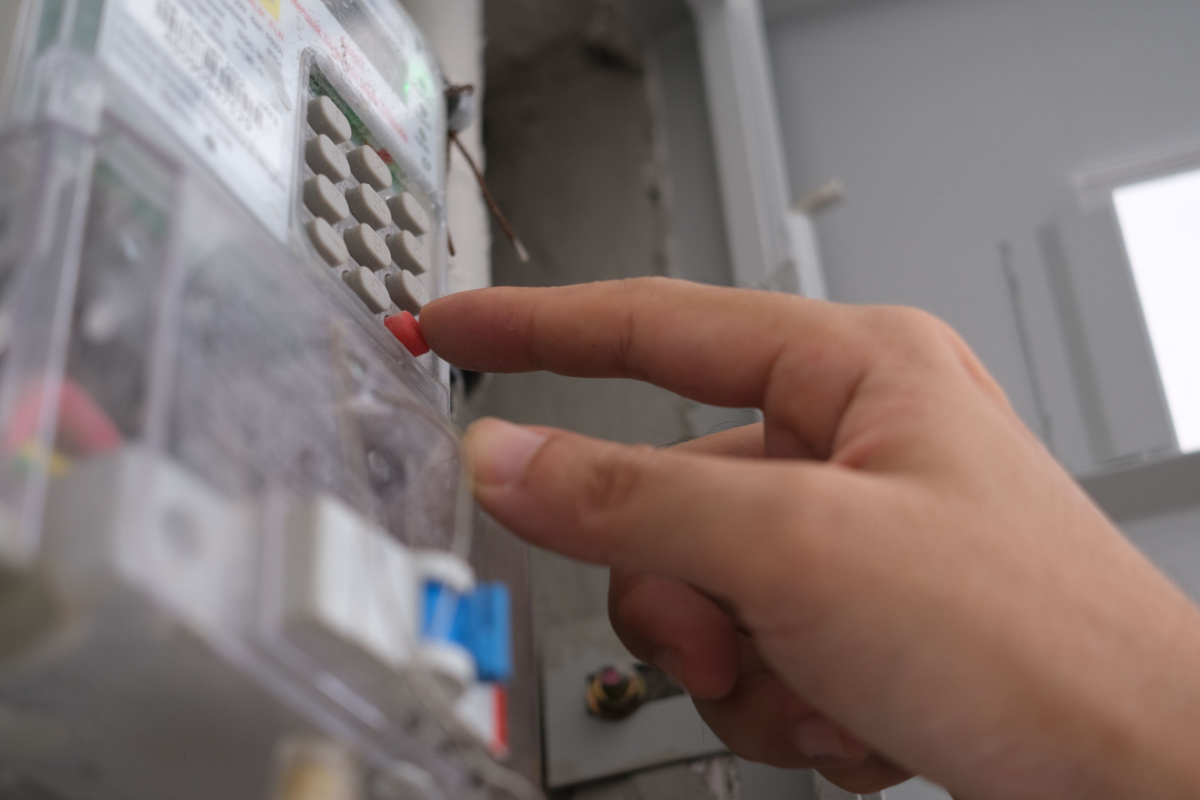
In a city where reliable electricity is already a daily concern for many households and businesses, a quieter crisis has been unfolding behind the scenes. Delays in installing electricity meters in eThekwini are not just frustrating residents. They are costing the municipality billions.
Fresh audit findings have revealed that the city has been missing a critical 30-day turnaround target for meter installations, raising serious questions about planning, oversight and execution.
Billions Lost As Backlogs Grow
At the centre of the issue is a staggering figure. The municipality recorded losses of R1.9 billion in the 2024 to 2025 financial year, with auditors linking part of this to delays in connecting new electricity meters.
The findings, presented to the executive committee, paint a picture of a system under pressure. Applications are piling up, processes are falling short, and installations are not happening within the required timeframe.
For a metro the size of eThekwini, which includes Durban and surrounding areas, this kind of delay has ripple effects. It affects new homeowners waiting to move in, small businesses trying to open their doors, and developers working against tight project timelines.
Audit Flags System Failures
The internal audit process uncovered multiple weak points across the system. Among them were poor controls over installations already in progress, gaps in how applications are assessed, and incomplete paperwork slowing everything down.
In some cases, applications were submitted without proper design sketches or supporting documents. In others, cancellations and inefficiencies within the planning workgroup created further bottlenecks.
There were also broader concerns about outdated or unclear standard operating procedures, suggesting that the problem is not just about resources, but also about how the system is structured.
Pressure Mounts On City Leadership
By the end of December 2025, more than 100 issues flagged in the audit log remained unresolved, with over 50 outstanding for longer than six months. That kind of backlog points to deeper governance challenges.
Former Audit and Risk Committee chairperson Siboniso Shabalala warned that electricity losses continue to exceed National Treasury benchmarks. Ideally, electricity losses should sit between 7 and 10 percent, but the city is struggling to stay within that range.
This is not just a technical issue. It speaks directly to financial sustainability. Every delay in connecting a meter is potential revenue lost, especially in a country where municipalities rely heavily on service charges to fund operations.
A Plan To Turn Things Around
City leadership says it is working to fix the problem. A new meter supply contract is now in place, aimed at ensuring that materials are available so connections can be completed faster.
City Manager Musa Mbhele acknowledged that backlogs have disrupted the ability to meet the 30-day service delivery target. However, he insists that new control measures have been introduced and that clearing the backlog is now a priority.
The municipality is also leaning on broader reform strategies and support from National Treasury to stabilise losses and improve performance over time.
Why This Matters Beyond eThekwini
While the spotlight is on eThekwini, the story feels familiar across South Africa. Many metros are battling ageing infrastructure, administrative inefficiencies, and growing demand for basic services.
Electricity meter delays may sound like a technical issue, but they sit at the heart of service delivery. Without a functioning meter, there is no billing, no revenue, and often no electricity connection at all.
For residents, it is another reminder that the gap between policy promises and lived reality can be wide. For municipalities, it is a warning that operational inefficiencies can quickly turn into financial crises if left unchecked.
The real test now is whether eThekwini can move from plans and audits to visible, on-the-ground progress.