News
Pali Lehohla: government ignored warning signs as South Africa’s unemployment soared
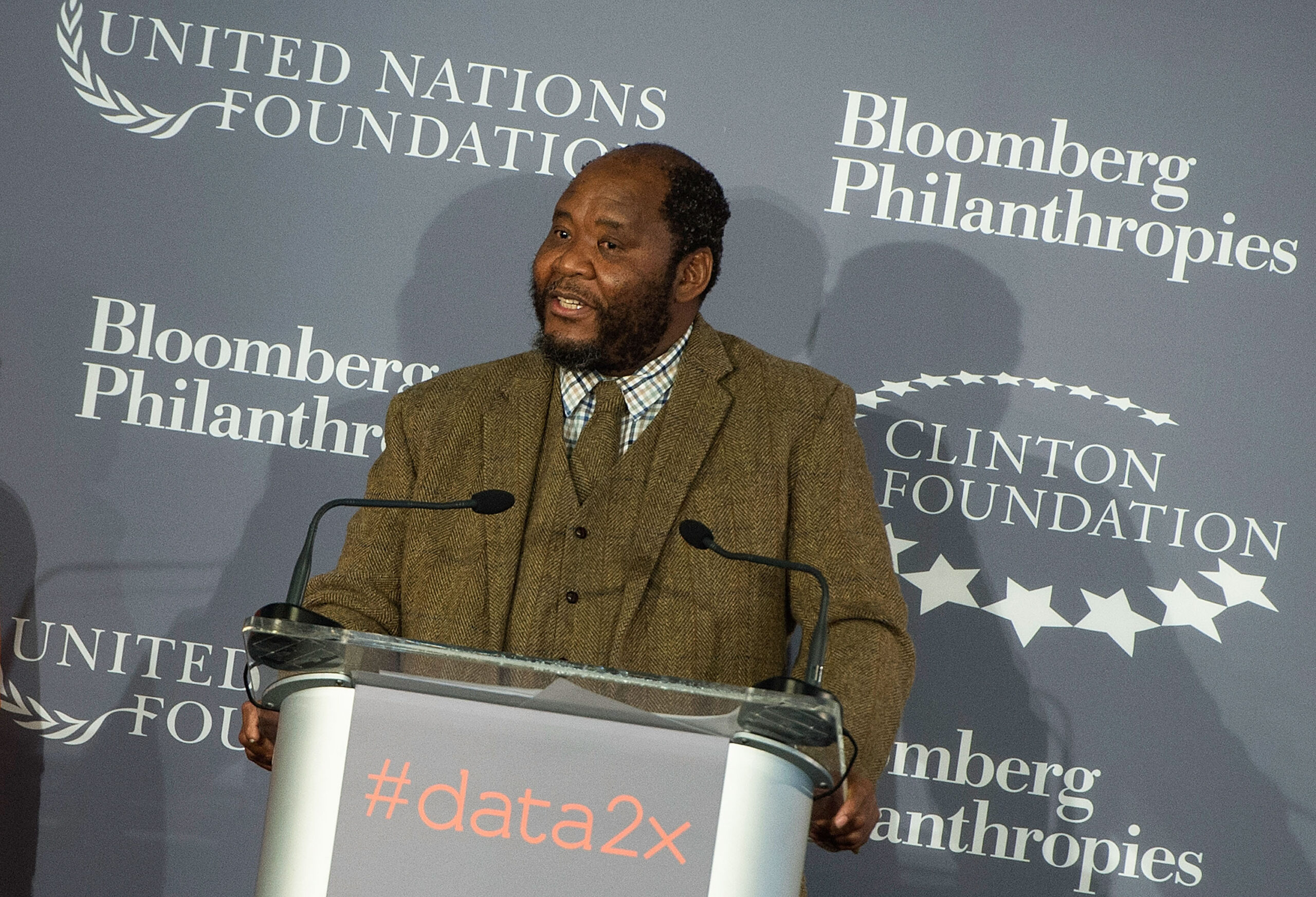
Former Statistician‑General Dr Pali Lehohla says the South African government has repeatedly ignored structural indicators pointing to rising unemployment, a failure he described during an interview on The Unpopular Opinion with journalist Mzilikazi Wa Afrika on Monday, June 15, 2026.
Warnings in the data went unheeded, Lehohla says
Leholha, who led Statistics South Africa from 2000 to 2017 and is the country’s longest‑serving Statistician‑General, said the state’s policy response did not follow the trajectory signalled by official statistics. South Africa’s official unemployment rate stands at 32.7%, while the expanded rate, which includes discouraged job seekers, reaches 43.7%, figures Lehohla used to underline what he called a severe employment crisis.
On the programme he warned that policy has not adapted despite decades of deteriorating economic inclusion. He said:
“The numbers said unemployment is coming, but our policy response acted as if it wasn’t. The numbers kept warning us, and now it has arrived, yet policies still have not changed to address the issue.”
Political and economic consequences highlighted
Lehohla linked economic despair to voter disengagement, saying that the situation implies that less than 30% of the population will vote in the upcoming local government elections and warning this would leave the country with what he called “walkouts governing South Africa.”
He also attributed stagnation to illicit financial flows, stating that R14.3 trillion has been siphoned out of the economy since 1994 and arguing the economy could have reached R21 trillion without that capital flight. He named affected sectors and areas, saying these losses came from mining, financial services and manufacturing and from regions including Gauteng, Free State, North West and the coal mines in KwaZulu‑Natal.
Lehohla urges a generational turning point
Despite his warnings, Lehohla said South Africa still has a path forward and suggested the 50th anniversary of the 1976 Soweto Uprising could serve as a major turning point. He recommended embracing modern technology and available resources to change the country’s trajectory.
FinMark Trust report echoes concerns and points to policy silos
A separate report by FinMark Trust, cited alongside Lehohla’s interview, found that structural unemployment persists despite decades of investment in Active Labour Market Programmes (ALMPs). The report said South Africa’s social assistance system and ALMPs have operated in separate silos with little effort to connect grant recipients to programmes that could help build sustainable livelihoods.
The report described how layered barriers keep people furthest from the labour market excluded, listing issues such as food insecurity, poor education access, high transport costs, distance from opportunity and the mental‑health toll of chronic stress. It urged integrated approaches combining social protection with labour market measures and emphasised the role of in‑person support. The report stated:
“Unemployment is not only about insufficient job creation or skills gaps. Poverty and exclusion create layered barriers; for example, food insecurity, poor education access, high transport costs, distance from opportunity, and the mental health toll of chronic stress that keeps millions locked out of work. Social protection policy, including social assistance and welfare services, should mitigate these barriers, while ALMPs should enable market connection. But without integration, and without hands-on guidance to help individuals access and combine these supports, the most vulnerable remain excluded.”
The report added that international evidence shows multi‑faceted and integrated programmes that include face‑to‑face support are most effective and that emerging pilot initiatives in South Africa are beginning to demonstrate this approach.
Where things stand
Lehohla’s comments and the FinMark Trust report together highlight policy fragmentation, capital flight and a labour market that continues to exclude youth and women most heavily. Both sources called for new policy approaches that better integrate social protection and labour market measures and that include hands‑on support for those furthest from work.
Follow Joburg ETC on Facebook, Twitter, TikTok and Instagram
For more News in Johannesburg, visit joburgetc.com
Source: iol.co.za