News
SAHRC Highlights R777 Million Spent on Water Tankers During Gauteng Water Crisis
SAHRC raises alarm over Gauteng’s R777 million water tanker bill as communities face ongoing shortages, urging urgent action on infrastructure failures.
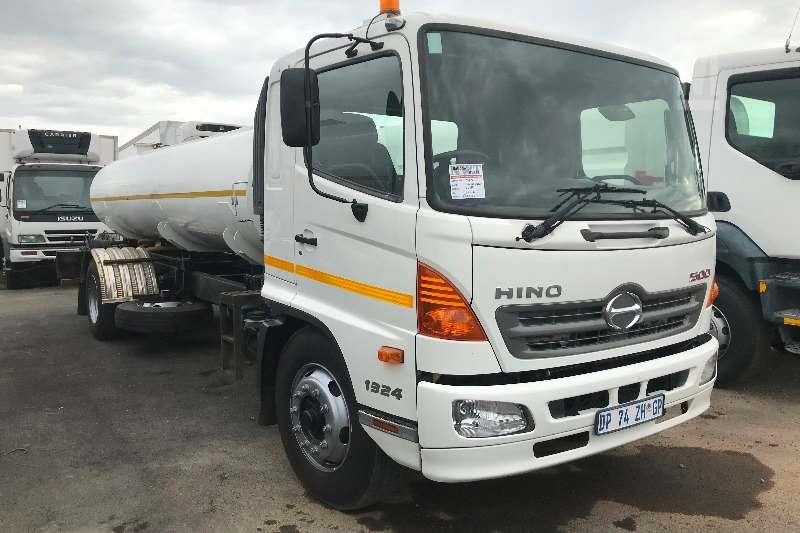
SAHRC Raises Concerns Over Massive Water Tanker Expenditure
The South African Human Rights Commission (SAHRC) has raised significant concerns over escalating spending on water tankers in Gauteng, with reports showing that millions are allocated to emergency water deliveries while many residents continue to face water shortages. An inquiry revealed alarming increases in tanker-related costs, prompting questions about financial management and long-term solutions for water service provision.
Allegations of Corruption and Mismanagement
According to the SAHRC’s findings released on 2 November 2026, worries persist regarding potential corruption linked to municipal water tanker contracts. Dr Henk Boshoff, an SAHRC commissioner, highlighted that hundreds of millions of rands are being spent each year on emergency tanker supplies instead of sustainable improvements to water infrastructure.
“Water tankering has become a brazen form of corruption and financial mismanagement,” Dr Boshoff remarked in his review of the issue.
He also noted that some municipal officials and service providers might derive private benefit from the sustained reliance on these emergency services. Although suspicions were raised, the SAHRC stated it lacked sufficient evidence to definitively prove corruption in the procurement of these tanker contracts.
City of Tshwane’s Soaring Water Tanker Costs
The City of Tshwane’s expenditure on water tankers saw a steep rise, reaching R777 million during the 2024/25 financial year. This represents a dramatic increase from the R47 million spent in 2021/22. Dr Boshoff questioned why such substantial funds are consumed by emergency services rather than directed towards sustainable upgrades to water infrastructure.
He warned that what should be a temporary emergency service has, in some communities, became a standard operating solution, potentially detracting from urgent infrastructure rehabilitation.
“It is simply not acceptable where metropolitan municipalities are spending hundreds of millions of rands a year on water tankering,” Boshoff emphasized.
Root Causes of Gauteng’s Water Shortages
The SAHRC’s inquiry determined that Gauteng’s water crisis is not solely the result of water scarcity. Instead, the commission found a combination of factors contributing to persistent water interruptions:
- Ageing and poorly maintained water infrastructure
- Losses and leakages in the distribution system
- Inadequate reservoir storage capacity
- Interruptions in electricity supply affecting water systems
- Failing wastewater treatment plants
- Shortages of technical and maintenance staff
Persistent complaints about water outages, sewage spills, and degraded infrastructure prompted the SAHRC’s formal investigation, which took place between 19 and 21 May 2026.
Commission’s Recommendations For Sustainable Water Services
To address the chronic issues, the SAHRC made eight targeted recommendations aimed at improving water and sanitation services in Gauteng. These recommendations include:
- Repairing failing wastewater treatment plants
- Enhancing and regular maintenance of water systems
- Protecting infrastructure from theft and vandalism
- Evaluating reservoir capacity during bulk supply interruptions
The commission urged the Department of Water and Sanitation, Gauteng’s Cooperative Governance Department, and all three metropolitan municipalities to create clear guidelines that ensure water tanker use remains a temporary, controlled measure rather than a permanent fixture.
The SAHRC committed to monitoring the adoption and implementation of these recommendations and will follow up on progress in the coming months.
Broader Implications and Need for Action
The crisis highlights broader concerns about public service delivery and resource allocation in Gauteng. Residents’ continued reliance on emergency water supplies signals the urgent need for fundamental improvements to water infrastructure and transparent management. Without substantive action, communities may face worsening outages and further spending without sustainable progress.
Ensuring safe, reliable water supply is a basic human right, and the SAHRC’s findings place renewed attention on the accountability of municipal authorities to prioritize infrastructure renewal and proper use of public funds.
Follow Joburg ETC on Facebook, Twitter, TikTok and Instagram
For more News in Johannesburg, visit joburgetc.com
Source: thesouthafrican.com