A quiet but dangerous health threat is gaining ground in Gauteng, and officials are urging residents not to ignore the warning signs.
The province, which is not typically known as a malaria hotspot, is seeing a sharp rise in infections and deaths in early 2026. Health authorities say the numbers are climbing faster than expected, raising concern about how easily the disease can spread beyond traditional high-risk areas.
Malaria Cases Rising Fast
According to the Gauteng Department of Health, the latest figures paint a worrying picture. In the whole of 2025, the province recorded 666 malaria cases and seven deaths.
But in just the first three months of 2026, there have already been 414 confirmed infections and 11 deaths. That is a significant jump compared to the same period last year, when 230 cases and one death were reported.
For many in Gauteng, this may come as a surprise. The province itself is not classified as a malaria zone, but movement between provinces and neighbouring countries plays a major role.
Health officials say travel is one of the biggest drivers behind the spike. Many residents visit malaria-endemic regions during the festive season and return home without realising they have been infected.
These areas include parts of Limpopo and Mpumalanga, as well as neighbouring countries like Mozambique, Zimbabwe and Malawi.
Symptoms To Watch For
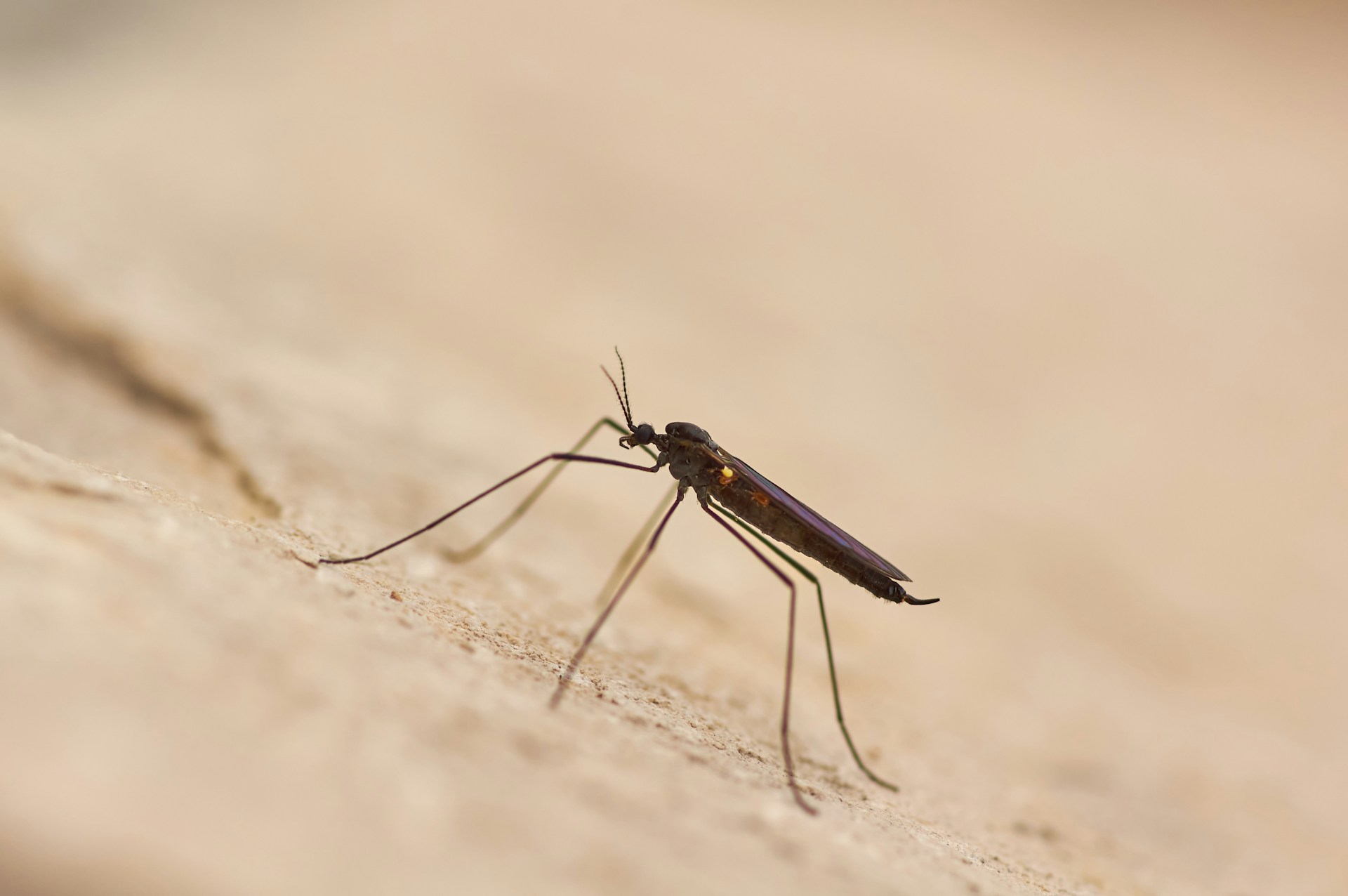
Malaria is caused by a parasite transmitted through the bite of an infected mosquito. Once inside the body, it attacks red blood cells and begins to spread quickly.
The early symptoms can feel like a common flu, which is why many people delay seeking help. Signs usually appear within 10 to 15 days after being bitten.
Residents are being urged to look out for:
- Fever and sweating
- Chills
- Headaches
- Muscle pain
- Nausea or vomiting
- Fatigue
If left untreated, the illness can become severe. In serious cases, it may lead to breathing difficulties, organ failure or even death.
The Earlier The Treatment, The Better
Certain groups are more vulnerable, including young children, pregnant women and people with weakened immune systems.
The good news is that malaria is treatable. A simple blood test can confirm the infection, and medication is available to clear it from the body.
The real danger lies in delay. Many people brush off the symptoms, assuming it is just a mild viral illness, and only seek help when the condition worsens.
Why This Matters For Gauteng
The current spike is a reminder of how interconnected South Africa has become. Travel between provinces and across borders is part of everyday life, especially during holiday periods.
That means diseases once confined to specific regions can now show up in places like Johannesburg and Pretoria with little warning.
Health officials are encouraging residents to take basic precautions when travelling to high-risk areas. Using insect repellent and wearing protective clothing can reduce the chances of being bitten.
But the most important message is simple. If you feel unwell after travelling, do not wait it out.
In a province where malaria is often not top of mind, awareness could be the difference between a quick recovery and a life-threatening emergency.