Crime
Timeline: AKA and Tibz murder case a courtroom chronology in shadow
A courtroom timeline of the AKA and Tibz murder trial opening on 5 October 2026.

An ominous opening: 5 October 2026
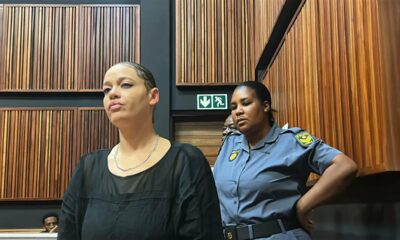
The day the trial opened seemed to arrive like a held breath. On 5 October 2026, the Durban High Court took its first procedural steps in the case that has shadowed South African headlines since the shootings on Florida Road. The morning did not begin smoothly: reports say proceedings were delayed while two of the accused were transported from Westville Prison and because of lift problems in the courthouse. The matter was stood down until 11:30am, according to eNCA.
How the deaths, the accused and the charges are recorded
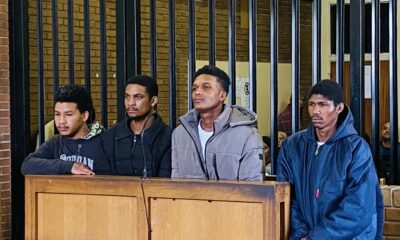
The facts the court must hold in its ledger are stark and unadorned. Rapper Kiernan “AKA” Forbes and Tebello “Tibz” Motsoane were shot outside Wish restaurant on Durban’s Florida Road on 10 February 2023. Seven men have been brought before the court in relation to those deaths. Reporting lists them as Lindokuhle Thabani Mkhwanazi; Lindani Zenzele Ndimande; Siyanda Eddie Myeza; Mziwethemba Harvey Gwabeni; Lindokuhle Lindo Ndimande; Siyabonga Gezani Ndimande; and Malusi Dave Ndimande.
The formal charges
Published reports describe the seven as facing 11 main counts, including conspiracy to commit murder, two counts of murder, attempted murder, and offences related to firearms and ammunition. Accounts differ over additional counts linked to Siyanda Eddie Myeza. Some reports say he faces further charges connected to another alleged killing and attempted murders; the available coverage advises checking the indictment or later court reporting for an exact breakdown.
Steps in the courtroom pleas, separation and procedural friction
The opening session was largely procedural. Six accused sought a separation of their matters in relation to Myeza, according to EWN, and IOL reports that Mkhwanazi brought the application with other accused aligning themselves. The State, as described in reporting, intended to oppose that application. There was a clear exchange about timing: the prosecutor told the court the charges should be put to the accused before a separation application could be considered.
“Therefore, we have to take a plea today. They can file their papers tomorrow. They can bring an application after the plea.”
The line above, reported by EWN and attributed to the prosecutor in that coverage, framed the immediate rhythm of the day: pleas and papers, applications and objections. Other reports suggest pleas were put to all seven while the separation application was being contemplated. Names of prosecutors differ between reports, so later verification against a court transcript or authoritative reporting is necessary before attributing statements.
A list in the dock
For clarity, the group reported as accused is listed by multiple outlets. The names repeated across coverage are:
- Lindokuhle Thabani Mkhwanazi
- Lindani Zenzele Ndimande
- Siyanda Eddie Myeza
- Mziwethemba Harvey Gwabeni
- Lindokuhle Lindo Ndimande
- Siyabonga Gezani Ndimande
- Malusi Dave Ndimande
The State’s scale: witnesses and evidence to come
Authorities have signalled a substantial State case ahead. The South African and East Coast Radio report the State expects about 45 witnesses. That number is an estimate the kind of figure that signals breadth but not inevitability. Other procedural matters reported in court included discussions about outstanding Section 220 admissions of agreed facts, requests for some witnesses to testify virtually, and an application by one witness to testify in camera. These are administrative contours that shape how testimony will be heard.
Extradition, delay and conflicting reporting
Some of the trial’s delays are traced in reporting to extradition proceedings. Brothers Siyabonga and Malusi Ndimande were arrested in Eswatini and later returned to South Africa; accounts agree extradition contributed to delays but conflict on the month they were returned. eNCA reports they were extradited in November 2025, while EWN says October 2025. Because of that conflict, published reporting cautions against specifying the month without checking a primary court or NPA source.
Calendar shadows the trial timetable
Reports outline an initial session expected to run through 6 November 2026, with a break on 4 November for local-government elections. There is ambiguity in accounts about the exact sitting calendar: one outlet said the trial was expected to resume on 5 November after the break, and some reports note a further session was expected in April 2027 though dates had not been confirmed. SABC reported further dates would be determined on 6 November. The calendar thus sits, for now, like a map half-drawn.
Allegations reported but not proven
Press coverage includes allegations that have not been established in court reporting for the opening day. East Coast Radio notes a previously reported allegation that an R800,000 payout was shared for AKA’s murder; that remains an allegation in coverage and was not presented in the available reports as a proven fact from the 5 October hearing. Reporting repeatedly cautions readers to treat such claims as allegations until evidence is presented and accepted in open court.
Family statements and the human ledger
The opening day drew family voices. East Coast Radio reports Tony Forbes saying he had “been waiting for this day” and that he wanted those responsible held accountable. eNCA reports Sylvester Motsoane said the trial’s opening fell on the anniversary of his wife’s death. Those remarks were recorded in coverage and carry the blunt human weight that often punctuates courtroom procedure.
What remains unresolved
The verified reporting available for the opening day confirms the trial began on 5 October 2026 and sets out the procedural moves and the names of the accused. It does not resolve several key questions: the precise pleas entered during the day; the outcome or status of the separation application; exact extradition dates; the definitive calendar for 2027; or whether the R800,000 allegation was led in evidence. Multiple outlets reported the hearing; where they conflict, later court transcripts or follow-up reporting will be needed for precision.
Closing the day’s session a courtroom as a waiting room for certainty
The first day closed not with resolution but with the promise of process. Verified reports mark the procedural steps taken and flag the outstanding matters that will shape the trial to come. For now, the record is one of names, dates and legal motions: a ledger that will be filled in only as evidence is led, witnesses testify and rulings fall. Readers and reporters are urged to check subsequent-day reporting or official court records to confirm how the items noted here evolve.
Follow Joburg ETC on Facebook, Twitter, TikTok and Instagram
For more News in Johannesburg, visit joburgetc.com