Crime
Experts warn policing alone cannot curb South Africa’s gang violence
After five people were killed in Steenberg, experts call for stronger policing alongside jobs, community support and action against gang finances.
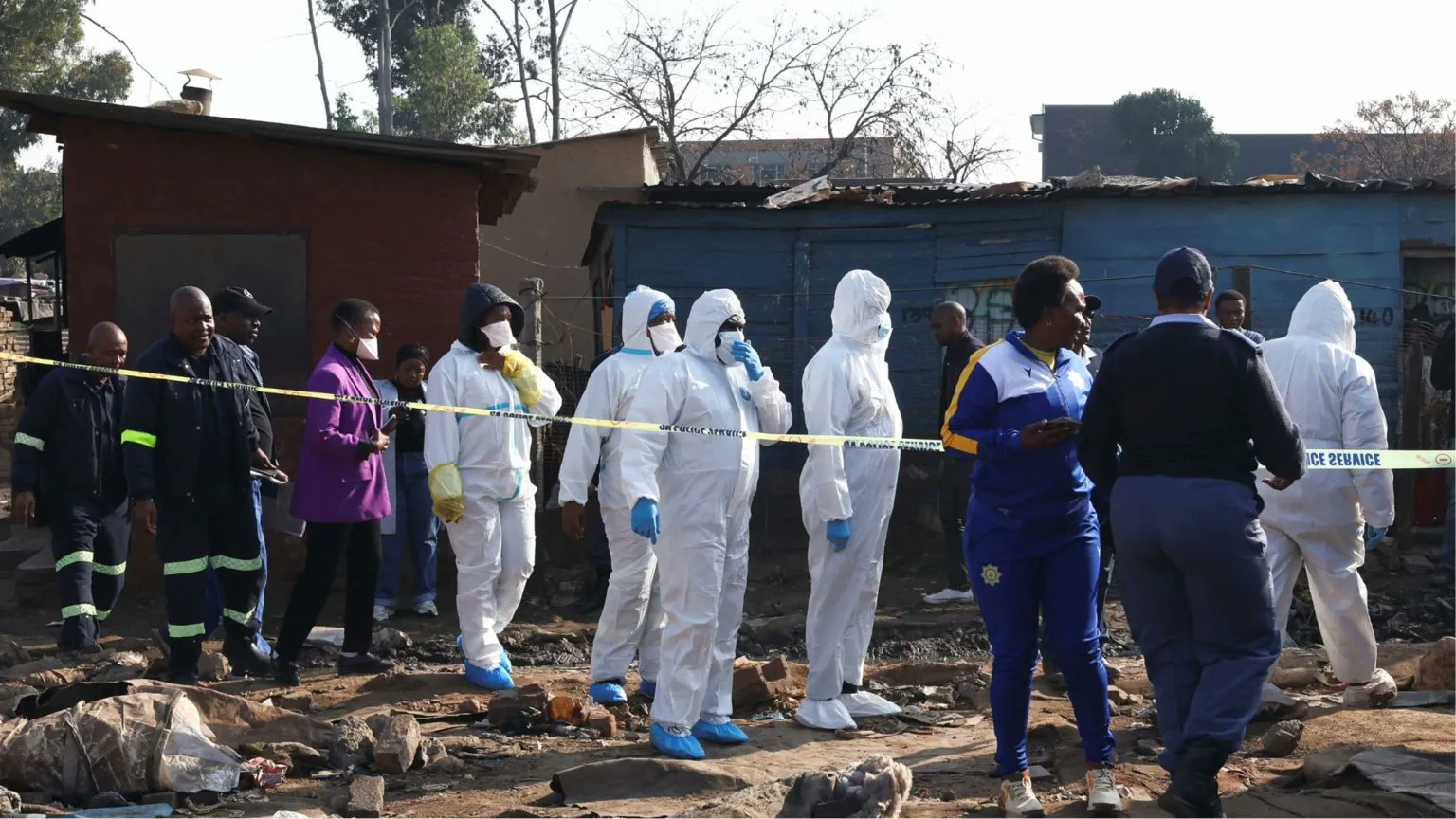
The attack has renewed calls for a coordinated response that combines effective law enforcement with community upliftment, job creation and measures to address the socioeconomic conditions linked to gangsterism.
Five people killed in Steenberg shooting
The South African Police Service said detectives from the Western Cape Anti-Gang Unit were investigating five counts of murder and three counts of attempted murder following the shooting.
Police said preliminary reports indicated that victims were drinking at a residence at about 8pm when gunmen entered and fired several shots indiscriminately. Four men and one woman, aged between 21 and 33, died at the scene.
A further three people one man and two women were taken to a medical facility for treatment.
The incident has once again placed the continued threat of gang-related violence in Cape Town under scrutiny. For residents living in areas affected by recurring shootings, the consequences extend beyond individual attacks, creating a persistent sense of insecurity and fear.
Experts say the response must address root causes
Willem Els of the Institute for Security Studies said South Africa was not winning the fight against gang violence on the Cape Flats.
Els said authorities were treating the symptoms of gangsterism rather than confronting the underlying causes. In his view, a stronger response would require a whole-of-society strategy that joined effective policing with measures designed to improve conditions in affected communities.
That approach, he said, should include community upliftment, job creation and interventions addressing socioeconomic challenges.
“Without a comprehensive strategy and operational plan, we risk having the same conversations about gang violence in another 10 years,” Els said.
He added: “We are not winning the fight. We are just putting a bandage on the wound.”
Els also raised concerns about allegedly compromised policing and the apparent confidence of gangs that they could operate without facing meaningful consequences. Those concerns, he said, made it harder for law enforcement to respond effectively.
He referred to previous community mobilisation against drugs, saying residents had felt that police were failing them. Despite those efforts, he said, the problem had persisted for decades.
Calls for stronger pressure on gang networks
While experts have stressed the importance of prevention and social interventions, there are also calls for more sustained pressure on gangs, their leaders and the networks that support organised crime.
Ian Cameron, chair of Parliament’s portfolio committee on police, called for tougher action against gang-related violence. He said law enforcement agencies needed to maintain pressure on gang leaders and their networks.
“Gangs, especially their leaders, must face relentless pressure,” Cameron said.
He called for tactical teams to execute warrants, including searches for illegal firearms and drugs by K9 units. He also said prosecutors should vigorously oppose bail for armed gang suspects where the evidence supported such opposition.
Cameron urged authorities to target the financial systems that sustain organised crime. He said the South African Revenue Service, banks and investigators should follow the money, freeze criminal proceeds through lawful processes and prevent gang leaders from accessing banking services for criminal activity.
His recommendations reflect the view that gang violence cannot be tackled only at the point where a shooting takes place. Disrupting weapons, drugs, criminal proceeds and leadership structures is also seen as part of a wider law enforcement response.
Debate over policing powers and accountability
Cameron further called for expanded investigative powers for the City of Cape Town’s metro police. He argued that stronger policing powers could help maintain pressure on gangs and improve the prospects of investigations leading to convictions.
He questioned what Operation Prosper was achieving after weeks of violence and chaos, and said police and military leadership needed to demonstrate tangible results rather than provide further assurances.
“Communities need protection and investigations that lead to convictions. They cannot keep paying for government failure with their lives,” Cameron said.
His comments underline the tension at the heart of the debate: communities need immediate protection from violence, but longer-term progress depends on investigations, prosecutions and action against the structures that allow gangs to continue operating.
Criminologist calls for proactive action
Witness Maluleke, a senior criminologist at the University of Limpopo, described the country’s continued struggle with gang-related violence as a serious cause for concern.
Maluleke said recurring shootings and the loss of innocent lives suggested that current responses were not producing the desired results. He called for a rethink of the national approach, including evidence-based strategies that address the causes of gang violence.
He also supported intelligence-led policing and greater cooperation between law enforcement agencies and communities.
“We cannot continue responding to these incidents after lives have been lost. There must be a proactive, coordinated and sustained effort to prevent violence and protect vulnerable communities,” Maluleke said.
A response that combines safety and prevention
The different proposals do not present policing and prevention as competing choices. Instead, they point to the need for both: law enforcement that can respond decisively to violent networks, and social interventions that reduce the conditions in which gangsterism can take root and endure.
For communities affected by gang violence, the priority is immediate safety. But the experts’ warnings suggest that arrests and tactical operations, on their own, will not resolve a problem that has persisted over many years.
The Steenberg shooting has therefore placed renewed focus on whether authorities can move beyond repeated responses to individual attacks and deliver a sustained, coordinated strategy. Such a strategy would need to protect residents, strengthen investigations, disrupt gang finances and address the socioeconomic challenges identified by the experts.
Without that broader effort, the cycle of violence risks continuing, leaving communities to endure further loss while authorities respond to its consequences rather than preventing them.
Follow Joburg ETC on Facebook, Twitter, TikTok and Instagram
For more News in Johannesburg, visit joburgetc.com
Source: citizen.co.za