News
Hlabisa declares all systems go for local government elections
Minister Velenkosini Hlabisa says South Africa is ready for the November 4 local elections despite ballot delays and water shortages at voting stations.
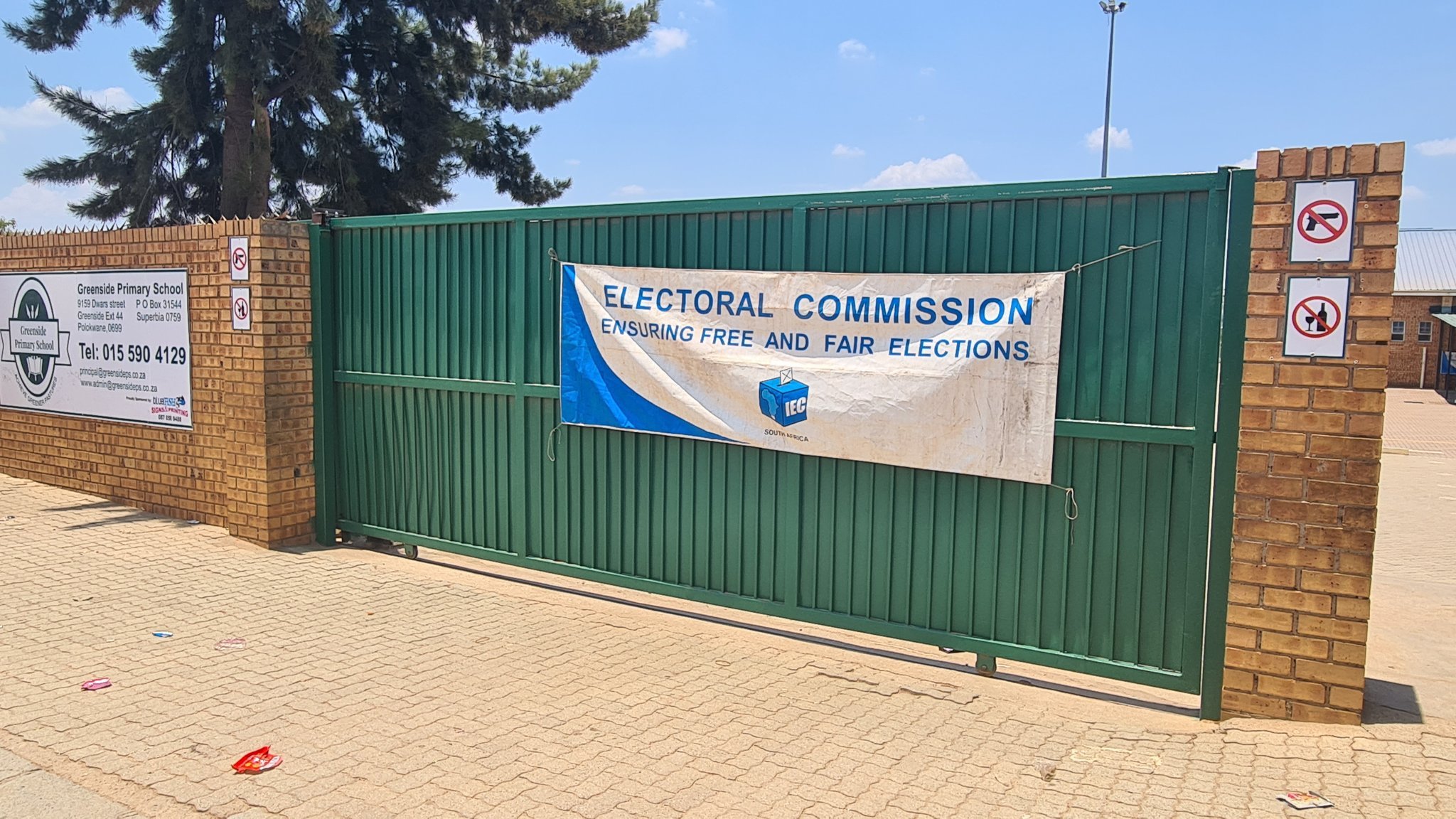
Special voting is scheduled for November 2 and 3, followed by voting for the general public on November 4. Hlabisa said government departments, the police and other sectors were prepared to support the electoral process.
Government says preparations are on track
Hlabisa declared “all systems go” after speaking to the South African Broadcasting Corporation, saying government was satisfied with the preparations for the elections.
As chairperson of the Inter-Ministerial Committee, Hlabisa said he had contacted the chairperson of the Electoral Commission of South Africa about the readiness of the process. He said the government was satisfied that the country was prepared to host both the special votes and election day.
“We are satisfied, and we are ready as a country to host the elections, from the special votes Monday to Tuesday and the actual voting day for the general public on the 4th of November,” Hlabisa said.
He also emphasised that the IEC remained responsible for the operational side of the election, including logistics, ballot printing and the management of the voting process.
Additional ballot papers required after court ruling
The preparations were placed under additional pressure by a Constitutional Court ruling requiring the IEC to include 181 African National Congress candidates who had initially been excluded from the elections.
The commission later extended the relief to 32 other political parties that were in similar circumstances. The decision affects 107 municipalities and requires the printing of an additional 6.6 million ballot papers.
The IEC expects to complete that extra printing by October 30, leaving five days before election day. Hlabisa said the commission had confirmed that it would work within the available time to comply with the court judgment.
“All is under control,” he said.
The printing deadline is a significant part of the final preparations because ballot papers must be ready for the voting process to proceed as planned. The court-directed changes have therefore added a logistical task to an election operation already involving special voting, staff recruitment and the distribution of materials to voting stations.
Municipalities told to provide water
Water supply is another concern ahead of the elections. Hlabisa said municipalities had an obligation to ensure that voting stations, including schools being used for voting, had access to water.
He warned that the issue was especially important with high temperatures expected during the elections. Where schools do not have water containers, municipalities must arrange water tankers, he said.
“The municipalities have an obligation to ensure that all voting stations, schools, have water,” Hlabisa said.
The availability of drinking water is a practical matter for voters, election staff and others who will spend time at voting stations. Hlabisa also encouraged voters to bring their own drinking water, particularly in communities already experiencing supply disruptions.
Sanitation also needs attention
Hlabisa acknowledged that water shortages could affect more than drinking water. Voting stations that rely on flush toilets may also face sanitation problems if supplies remain disrupted.
He referred to shortages in areas including Bronkhorstspruit and parts of the Eastern Cape. Disaster management officials are expected to assess affected areas and consider alternative arrangements before election day.
Providing drinking water should be manageable, Hlabisa said, but sanitation would require attention wherever water supplies continued to be interrupted. The concern places responsibility on municipalities to identify gaps at voting stations and make practical arrangements before voters arrive.
Water and sanitation are basic requirements for a functioning voting station. Their availability can affect the comfort and safety of voters and staff, while also influencing whether facilities such as school toilets can be used during the day.
Minister urges voters not to stay away
Hlabisa urged voters not to allow service delivery problems to deter them from participating in the elections. He described the poll as an opportunity for communities to choose councillors who can address persistent local challenges, including unreliable water supplies.
“This is an opportunity you should not miss,” he said.
His appeal comes as preparations continue on two fronts: the IEC must complete the additional ballot printing required by the court ruling, while municipalities and disaster management officials must address conditions at voting stations affected by water shortages.
The election timetable includes special voting on November 2 and 3 before the general voting day on November 4. Hlabisa said the government’s assessment remained that the country was ready, with the IEC leading the electoral arrangements and government structures providing support.
Schools used as voting stations
Some schools have been identified as voting stations. Hlabisa said these schools would not hold examinations on November 4, with arrangements made to prevent clashes between voting and school activities.
That arrangement is intended to ensure that school premises can be used for the election without competing with examinations on the same day. It also forms part of the broader coordination required when public facilities are used as voting stations.
For voters, the immediate priorities are clear: special voting will take place on November 2 and 3, general voting is scheduled for November 4, and water and sanitation arrangements are being monitored in areas where supplies are under pressure.
Despite the ballot-printing deadline and local water challenges, Hlabisa maintained that preparations were on track and that all relevant government structures were ready to support the local government elections.
Follow Joburg ETC on Facebook, Twitter, TikTok and Instagram
For more News in Johannesburg, visit joburgetc.com
Source: iol.co.za