For many South Africans feeling the squeeze of rising costs, the hope of tax relief remains just that, hope. Finance Minister Enoch Godongwana has made it clear that, for now, the country simply cannot afford to ease the burden through tax cuts or broader VAT relief.
Government Draws A Line On Tax Cuts
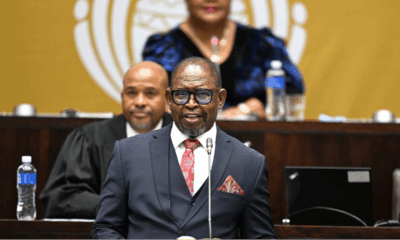
In a recent parliamentary response, Godongwana pushed back against calls to lower personal income tax or expand VAT zero-rated items. These proposals were raised as potential ways to ease financial pressure on working households, particularly as the cost of living continues to climb.
But according to the minister, South Africa’s fiscal position leaves very little room to manoeuvre. The government is trying to balance growing spending needs with the reality of limited revenue, and cutting taxes would put further strain on an already stretched budget.
What Relief Has Been Offered Instead
Rather than introducing sweeping tax reductions, the 2026 Budget focused on smaller, targeted adjustments. Personal income tax brackets, rebates, and thresholds were increased in line with inflation.
This means taxpayers get some relief indirectly, as more of their income falls into lower tax brackets. For example, individuals earning below R99 000 annually remain outside the tax net altogether.
It is a modest approach, but one the Treasury believes is more sustainable in the current climate.
Why VAT Relief Is Also Off The Table
Expanding VAT zero-rating on essential goods has often been suggested as a way to help lower-income households. However, government data tells a more complicated story.
Higher-income households account for a significant share of overall spending, which means they benefit more from VAT relief than intended. In fact, the top income groups contribute over 75 percent of VAT revenue.
According to Godongwana, broadening VAT exemptions would weaken the tax base without effectively targeting those who need the most support.
The Bigger Picture Behind The Decision
South Africa’s tax system is already structured to be progressive, with a relatively small portion of taxpayers carrying a large share of the burden. Around 13 percent of income taxpayers contribute roughly 60 percent of personal income tax revenue.
Cutting rates further would create a gap that government would need to fill, either through increased borrowing or reduced spending. Both options come with long-term risks, especially as the country continues to deal with infrastructure backlogs, public service demands, and economic recovery efforts.
A Balancing Act For The Economy
The decision highlights a difficult trade-off facing policymakers. On one hand, households are under pressure from rising food, fuel, and living costs. On the other, the state must protect its revenue streams to keep essential services running.
For now, the Treasury’s strategy is to offer limited relief while maintaining fiscal stability. It is not the news many taxpayers were hoping for, but it reflects the tightrope South Africa’s economy is currently walking.