News
High Court to hear EFF challenge to finance minister’s fuel levy powers
What the EFF is arguing
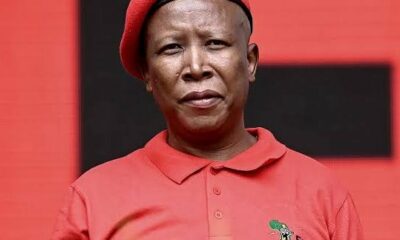
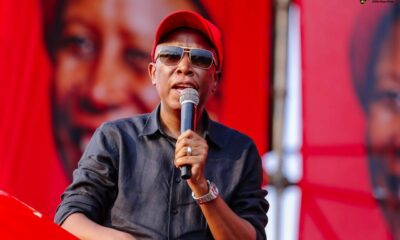
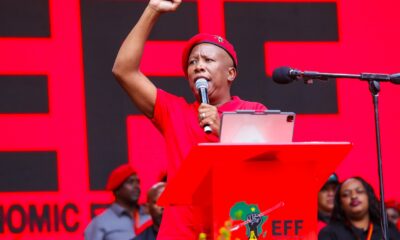
The EFF contends that only Parliament has the constitutional power to impose or amend taxes and is therefore challenging the minister’s authority to determine and adjust the fuel levy.
Background: previous litigation and outcomes
This is not the first time the party has taken action over fuel- and tax-related matters. In June last year the EFF suffered a legal setback at the Western Cape High Court when it unsuccessfully tried to block fuel levy increases earlier this year.
In that earlier urgent application the EFF sought to stop a decision to increase the general fuel levy by 16 cents a litre for petrol and 15 cents a litre for diesel as announced in the third version of the national Budget. The increases took effect on 4 June 2025.
Motorists received some relief later that month when petrol prices fell by 5 cents a litre and diesel prices dropped by 37 cents a litre, partially offsetting the levy increase.
Court criticism of the EFF’s earlier approach
In the June judgment Acting Judge Mayosi criticised the EFF’s handling of that urgent litigation, saying the party had adopted a “haphazard approach” that had become an “all-too-familiar pattern“.
“It is hard to resist the conclusion that this manner of litigating, with the prejudices and unfairness inherent in it both for the opponents involved and other litigants in the division, and the judges hearing those matters, has become a pattern for the EFF,” the judge said.
The court identified three “fatal flaws” in the EFF’s urgent application, including its timing. The judgment noted the party acted five days after the Finance Minister delivered his Budget speech and described the urgency as “self-created and unwarranted“. The court said demand letters sent by the EFF contained “technical and computational material errors” and had to be repeatedly corrected, causing inconvenience to the court and potential prejudice to other litigants.
Arguments from the finance minister’s side
In the latest matter before the court, the finance minister’s legal team reportedly argued that requiring Parliament to approve every adjustment to the fuel levy would be impractical because parliamentary processes involve public consultation and lengthy procedures. His defence also argued that parliamentary involvement would make levy adjustments less flexible and responsive to immediate economic conditions.
Related tax litigation
The EFF, supported by the Democratic Alliance (DA), previously succeeded in challenging a proposed Value-Added Tax (VAT) increase. The two parties brought a challenge when the minister attempted to increase the VAT rate from 15% to 15.5% as part of his first attempt at tabling a national budget. That matter was heard in March 2025, and the proposed VAT increase was later declared invalid in the Western Cape High Court and withdrawn.
What to expect
The Western Cape High Court will consider the legal limits of the finance minister’s powers over the fuel levy when it hears the EFF’s application on Wednesday.
Follow Joburg ETC on Facebook, Twitter, TikTok and Instagram
For more News in Johannesburg, visit joburgetc.com
Source: iol.co.za