News
Three-month grace period and longer licences proposed for South Africa
South Africa may allow a three-month grace period for expired driving licences for applicants awaiting replacements, plus 10-year cards and digital licence plans.

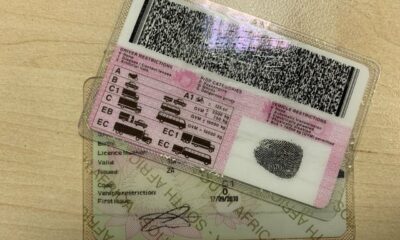
South African motorists could soon be able to use an expired driving licence card for up to three months while waiting for a replacement, under a proposal outlined by the Department of Transport during a parliamentary briefing this week.
The plan forms part of a broader overhaul of the country’s driving licence system that also includes proposals to extend the validity of several licence categories from five to ten years and to explore digital driving licences as part of government’s wider digital identity plans.
Who would qualify for the proposed grace period?
The Department of Transport has proposed that the three-month grace period would apply only to motorists who have already applied for a replacement driving licence card.
The proposal specifically covers licence categories Codes A1, A, B and EB, which the Department noted include motorcycles and light motor vehicles. Under the plan, qualifying motorists could continue to use their expired cards for up to three months while waiting for a replacement card to arrive.
These measures are currently proposals and have not yet taken effect; motorists must still follow the existing renewal rules until any regulatory amendments are finalised and implemented.
Longer validity for some licence cards
Alongside the grace period, government is advancing changes to the validity periods for certain driving licence categories. The Department’s proposal would allow cards for Codes A1, A, B and EB to remain valid for 10 years instead of five.
Other licence types would remain unchanged under the proposal: heavy vehicle driving licence cards would continue to be valid for five years, while Professional Driving Permits would still run for two years.
Officials told Parliament these changes aim to reduce pressure on driving licence testing centres and cut the number of motorists who need to renew their cards every year.
Why the changes are being considered
The Department pointed to operational pressures in the licensing system as a driver for reform. In recent years South Africa’s card-printing system has repeatedly caused delays and backlogs, creating long waits for replacement cards.
Extending validity for certain categories and offering a limited grace period for applicants are intended to ease demand on testing and issuing centres while those backlogs are addressed.
Digital licences under consideration
Parliamentarians also questioned why South Africa continues to rely heavily on physical cards. In response, the Department of Transport confirmed that an interdepartmental team is exploring digital driving licences and how they might integrate with government’s wider digital identity plans.
Officials emphasised that any move toward digital licences would need to consider motorists who do not have smartphones or reliable access to mobile data. The Department acknowledged that South Africa cannot simply abandon physical cards and that a hybrid approach would be required to ensure access for all motorists.
What motorists should do now
Importantly, the Department made clear that none of the proposed changes are in force. Until the regulatory amendments are finalised and implemented, motorists must continue to renew their driving licence cards under the current system and observe existing expiry dates.
The proposed three-month grace period and extended validity will apply only once government completes the necessary legislative or regulatory changes.
Potential impact and broader context
If implemented, the proposals could reduce daily demand at licence-issuing centres by lowering the frequency of renewals for many drivers and allowing applicants temporary legal cover while replacements are processed. These are common goals in licence-system reforms designed to improve service delivery.
Exploring digital licences aligns with wider global trends toward digital identity solutions, but the Department’s caution about maintaining physical cards reflects a practical equity concern: any digital offering must accommodate users without reliable digital access.
Next steps
The proposals were set out in a briefing to Parliament this week. Before any changes take effect, they will need to move through the government’s regulatory and implementation processes.
For now, motorists should treat the proposals as pending and keep to current renewal and expiry rules until the Department of Transport announces formal changes.
Follow Joburg ETC on Facebook, Twitter, TikTok and Instagram
For more News in Johannesburg, visit joburgetc.com
Source: thesouthafrican.com