News
South Africans will soon be able to block spam calls and messages
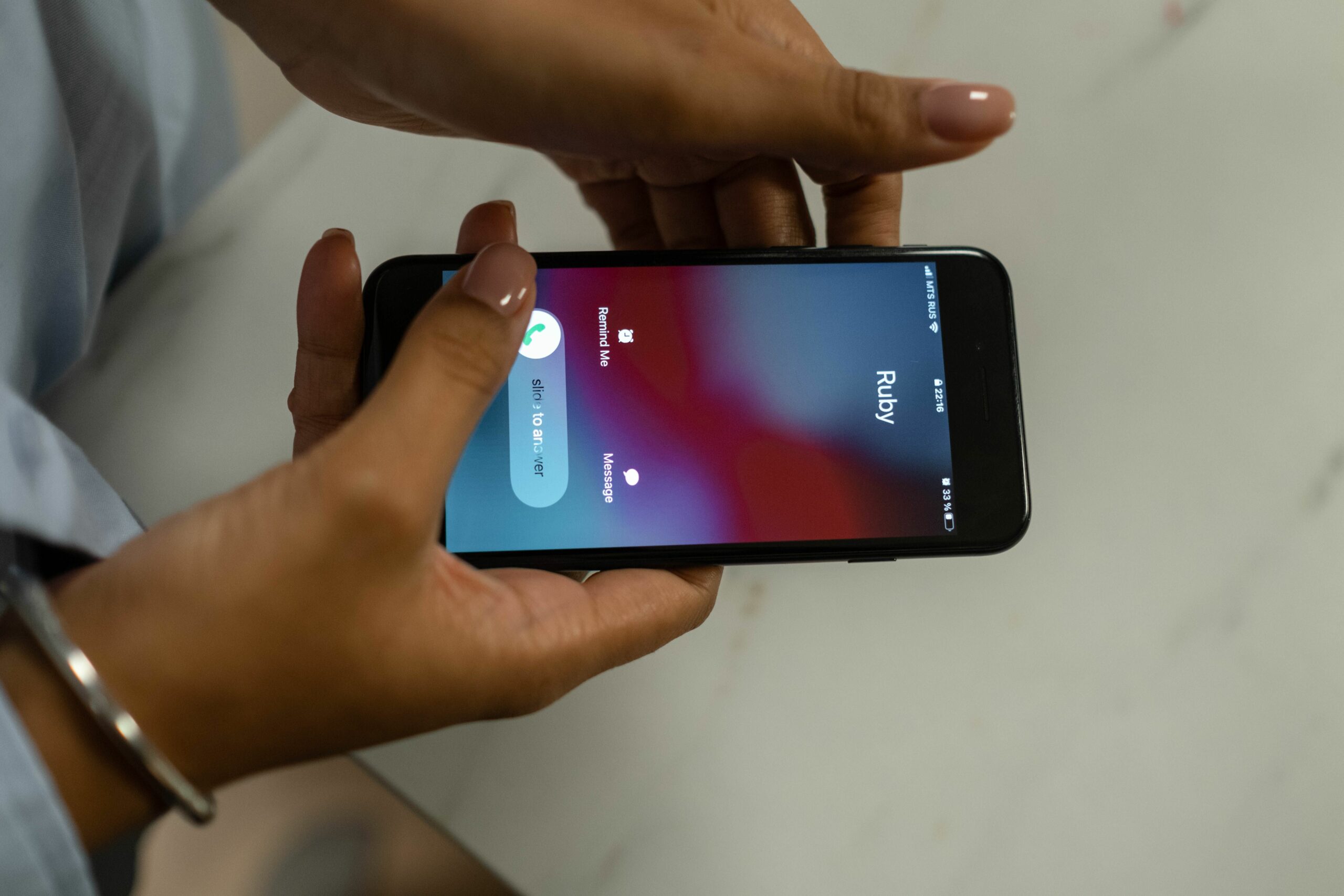
South Africans who are tired of answering endless spam calls could soon have a much easier way to make them stop.
The National Consumer Commission (NCC) has launched the National Opt-Out Registry, a free government-administered system designed to give consumers greater control over unwanted direct marketing.
But there is an important catch: you cannot use the registry to block marketers just yet.
The system is being rolled out in stages, with consumers only able to pre-emptively opt out of direct marketing from May 2027.
South Africa’s spam problem is getting bigger
For many South Africans, spam calls and messages have become part of everyday life.
The numbers show just how widespread the problem has become.
According to the 2026 South Africa Spam Report by Truecaller, South Africans received 17.47 billion spam calls between January and June 2026.
That represents a 25.2% increase compared with the same period in 2025.
Spam SMSes have grown even faster.
During the first six months of 2026, South Africans received approximately 3.71 billion spam SMSes, an increase of 58.9% year on year.
The new registry is intended to tackle this problem by creating a central system through which consumers can tell direct marketers not to contact them.
How will the National Opt-Out Registry work?
The system is being introduced under Section 11 of the Consumer Protection Act, which gives consumers the right to block unwanted direct marketing.
Once the consumer registration phase is operational, people will be able to register their details on the National Opt-Out Registry and indicate that they do not want to receive direct marketing.
That means consumers should no longer have to repeatedly tell individual companies to remove them from marketing databases.
There will also be new responsibilities for businesses.
Direct marketers will be required to register on the system and regularly check their databases against the registry before launching marketing campaigns.
They will have to cleanse their marketing lists every month, removing consumers who have opted out.
The aim is to prevent a situation where someone repeatedly asks a company to stop contacting them, only to receive another call or SMS weeks later.
When can you actually block spam?
This is where the rollout gets important.
The National Opt-Out Registry is being introduced in phases rather than becoming fully available to consumers immediately.
Phase 1: Businesses register
The first phase began on 15 September 2026 and focuses on getting direct marketers registered on the system.
This phase runs until December 2026.
Businesses that fail to comply could be in contravention of Section 11 of the Consumer Protection Act and the relevant 2026 amendment regulations.
Phase 2: Marketing databases are cleansed
From December 2026 until April 2027, businesses will have time to cleanse their marketing databases and get used to the new system.
The NCC says this phase will be provided to direct marketers at no cost.
This period is essentially designed to give businesses time to make sure their marketing lists are aligned with the new opt-out system.
Phase 3: Consumers can opt out
The part consumers are waiting for starts in May 2027.
From then, people who have registered on the National Opt-Out Registry will be able to pre-emptively block direct marketers from sending unwanted marketing communications.
So, if you were hoping to register today and immediately stop those calls, texts and promotional emails, you’ll have to wait for the consumer phase to open.
What does this mean for spam calls?
The registry could significantly change how South Africans deal with unwanted marketing.
Instead of individually opting out from every company that calls or messages, consumers will eventually have a central mechanism for saying they do not want direct marketing.
It also places more responsibility on businesses to make sure they are not contacting people who have already opted out.
The NCC says it will continue with consumer education ahead of the next phase and provide further information on how people will be able to register.
For now, South Africans may still have to keep blocking those unwanted numbers manually.
But from May 2027, the National Opt-Out Registry is expected to give consumers a much more powerful way to say: don’t contact me.
Follow Joburg ETC on Facebook, Twitter, TikTok and Instagram
For more News in Johannesburg, visit joburgetc.com
Source: The South African