News
Funding crisis briefly threatened Steve Biko inquest before Justice Department stepped in
The reopened inquest into Steve Biko’s 1977 death resumed in Gqeberha after a funding dispute was resolved when the Justice Department covered legal costs.
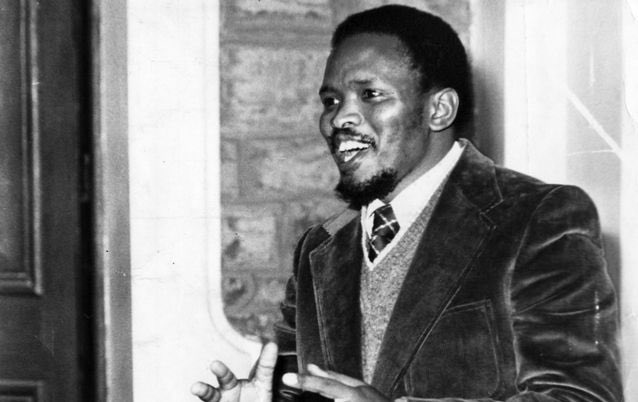
The reopened inquest into the 1977 death of anti‑apartheid activist Stephen ‘Steve’ Bantu Biko resumed in the Gqeberha High Court on Monday, 24 August 2026 after a funding dispute threatened to derail proceedings.
Funding dispute delays start of hearings
The inquest was almost jeopardised when the Biko family’s application for funding to secure legal representation was rejected by Legal Aid South Africa. Proceedings were delayed while the parties dealt with the funding issue until the Department of Justice intervened to cover the costs, a move described in court as necessary to allow the historic hearing to continue.
Biko’s son, Nkosinathi Biko, told media the family felt relief after the department’s intervention.
“We spent the first half of the day dealing with resources. There should never be a situation of this kind where, at the moment when we are supposed to commence with proceedings, we are dealing with a question of resources. It is undignified,”
He added that he had kept Mrs Biko away from the resource discussions so she would not have to bear that burden.
What the reopened inquest will examine
The National Prosecuting Authority reopened the inquiry in September 2025, identifying two surviving former police officers as persons of interest. The resumed hearings aim to revisit the circumstances of Biko’s detention, interrogation and fatal injuries, and to examine testimony, evidence and official records that may shed further light on responsibility for his death.
Background to Biko’s detention and death
Stephen Bantu Biko, founder of the Black Consciousness Movement, was arrested with Peter Jones at a roadblock near Grahamstown (now Makhanda) on 18 August 1977 for allegedly violating banning orders. He was taken to Walmer Police Station in Port Elizabeth (now Gqeberha), where he was reportedly tortured while shackled and kept naked in a cell. Officers are said to have sought medical assistance only after he began foaming at the mouth following 24 days in custody.
On 11 September 1977 Biko was loaded unconscious, naked and shackled into a police vehicle and transported 1 200km to a prison hospital in Pretoria. He died the following day, aged 30.
According to the NPA, “the cause of Biko’s death was recorded as extensive brain injury caused by centralisation of blood circulation and intravascular blood coagulation, acute kidney failure and uremia.”
Legacy and the path ahead
A formal inquest was held in November 1977 but concluded that no one was held responsible. The reopened inquiry seeks to address unresolved questions about Biko’s final days and whether criminal liability can now be established nearly five decades later.
With the Justice Department covering legal costs, the inquest has proceeded in Gqeberha, where hearings will examine evidence and witness accounts in an effort to confront the events that led to one of apartheid’s most notorious deaths.
Follow Joburg ETC on Facebook, Twitter, TikTok and Instagram
For more News in Johannesburg, visit joburgetc.com
Source: citizen.co.za