More than 90% of South Africans are exposed to harmful air pollution. The risks go beyond coughs and wheezes, we’re talking cancer, heart disease, and even dementia.
If you think the air around you is fine just because it smells clean, think again.
According to Prof. Caradee Wright from the South African Medical Research Council (SAMRC), the vast majority of South Africans over 90% are breathing in fine particle pollution that’s known to pose serious health risks. These microscopic particles, known as PM2.5, can sneak deep into our lungs, cross into our bloodstream, and wreak havoc throughout the body.
How Bad Is It? Worse Than You Think
Wright told 702’s John Perlman that South Africa’s current air quality standard for these particles is set at 20 micrograms per cubic metre. That’s four times the level recommended by the World Health Organization (WHO), which says the target should be just 5 to protect public health.
“There’s no safe level of air pollution,” Wright explains. “The particles hold onto chemicals and other substances — and because they’re so small, they can be inhaled deep into the lungs, into the blood. That’s when the real damage begins.”
Recent studies support this: even low exposure to particle pollution has been linked to cancer, cardiovascular disease, strokes, and an alarming increase in mental health conditions and dementia.
It’s Not Just About Industry, Homes Play a Role Too
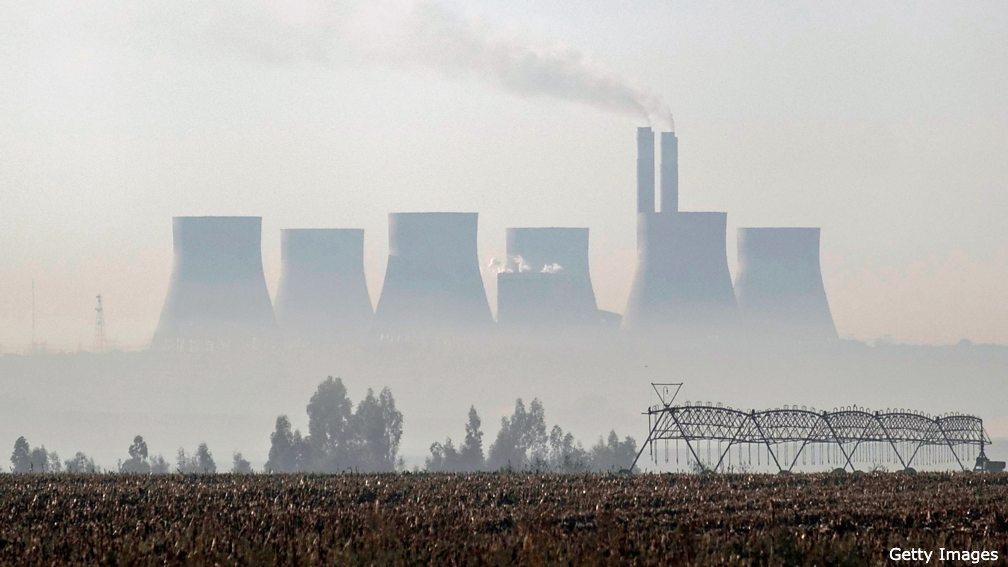
While much of the public’s attention focuses on emissions from factories, power plants, and vehicles, Wright says household air pollution is also a major concern especially in communities where coal and wood are used for cooking or heating.
Her advice? Try starting fires outdoors, where the smoke can disperse before it gets trapped inside. That’s when the most pollution is released, she says.
Simple Steps You Can Take
Though the air we breathe is a national issue, Wright suggests small actions individuals can take to protect themselves and their families:
-
Keep windows closed on dusty or smoky days
-
Invest in an air purifier, especially if you live in an industrial area or suffer from asthma or allergies
-
Support clean energy and policy reforms that aim to reduce fossil fuel dependence
A Problem Hidden in Plain Sight
South Africans may not see plumes of black smoke every day, but make no mistake: the problem is real, and it’s everywhere. Whether you live in Johannesburg, Durban, or a rural village, the particles are there — invisible, but incredibly dangerous.
Many of us may brush off the occasional coughing spell or eye irritation, blaming it on seasonal changes. But behind those mild symptoms may be long-term damage building silently and that’s exactly what researchers like Prof. Wright are sounding the alarm about.
The good news? There are efforts underway to bring South Africa’s pollution levels down. Government agencies, environmental NGOs, and public health institutions are working to tighten standards and encourage cleaner energy solutions. But progress is slow and until then, most of us are breathing air that puts our health at risk.
So next time you step outside and take a deep breath, remember: clean air is not a guarantee in South Africa. But with the right awareness and action, it could be.
Because no one should have to get sick just for breathing.