News
Three Arrested Over Alleged Passport Photo-Swapping Scam at Free State Home Affairs Office
Two ex-Home Affairs officials and a civilian were arrested for an alleged photo-swapping passport fraud in Bothaville, as authorities ramp up anti-corruption efforts.
Allegations of Passport Fraud in Bothaville
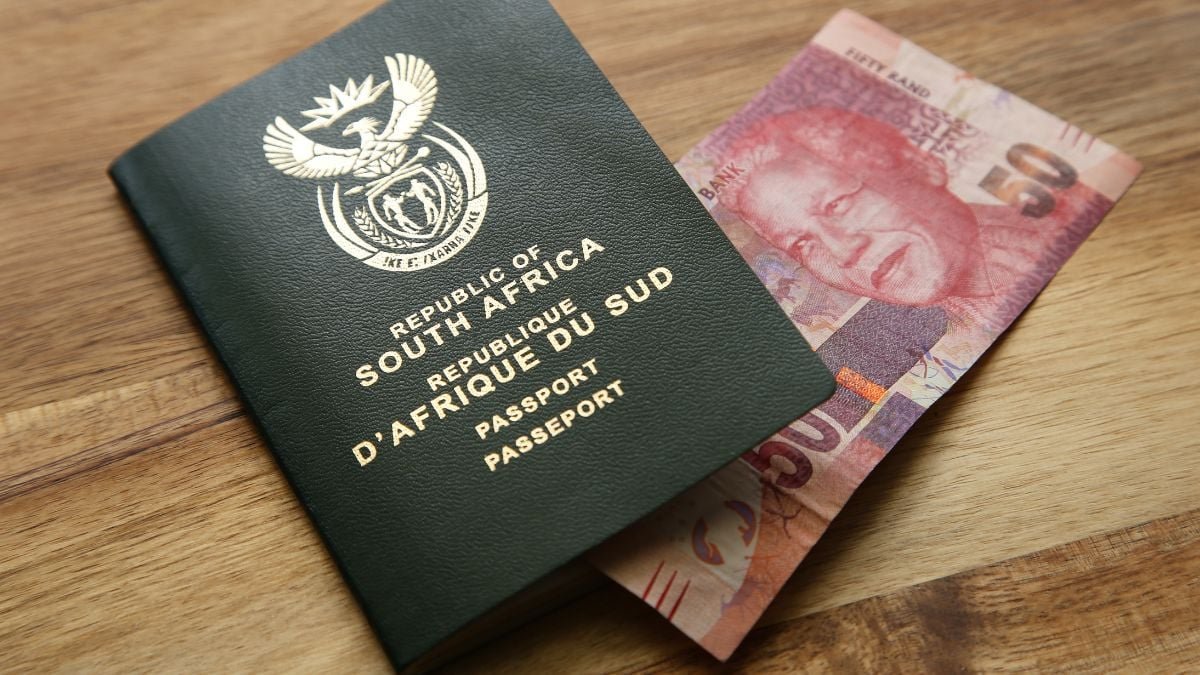
An alleged passport fraud scheme has led to the arrest of two former Home Affairs officials and one civilian at the Bothaville Home Affairs office in the Free State. The arrests, related to fraudulent photo-swapping processes, signal increased efforts to combat internal corruption within the Department of Home Affairs.
Details of the Case and Investigation
The fraudulent activities reportedly took place at the Bothaville office in 2023. The suspects are accused of manipulating ten separate passport applications by swapping photographs, allowing ineligible individuals to obtain legitimate South African passports. The trio appeared before the Bothaville Magistrate’s Court on 27 October 2026, with the case postponed to 20 January 2027.
The investigation was carried out by the Department of Home Affairs’ Counter Corruption Unit in collaboration with the Hawks. Since July 2024, these efforts have resulted in 44 arrests and the dismissal of 98 officials linked to corruption cases within the department.
System Vulnerabilities and Reform Efforts
According to Home Affairs Minister Dr Leon Schreiber, the suspects exploited weaknesses found in outdated departmental systems. These vulnerabilities allowed for the manipulation of identity details through fraudulent photo-swapping, undermining the integrity of passport issuing processes.
“These arrests send a clear message that those who exploited weaknesses in Home Affairs’ systems will be held accountable. Through our digital transformation reform programme, we have since closed key loopholes to prevent such fraud from recurring, while ensuring that those responsible for corruption do not escape the full might of the law,” Schreiber stated.
The department has since implemented biometric verification as part of a wider digital transformation. This is designed to systematically remove opportunities for future corruption and fraud.
The Photo-Swapping Modus Operandi
The scheme involved using identity information from legitimate South African citizens while substituting photographs with those of foreign nationals. This practice allowed foreign nationals to acquire authentic South African travel documents illicitly. Schreiber noted that technological advancements and stricter verification have now made such schemes far more difficult to perpetrate.
Ongoing Crackdown and Broader Context
Earlier in October, authorities announced further progress in dismantling a syndicate accused of selling South African passports to foreign nationals for sums reportedly reaching up to R100,000.
The syndicate was originally uncovered in 2022 after exploiting similar loopholes.
This crackdown is part of a broader anti-corruption drive within Home Affairs. Through joint investigations and a commitment to leveraging technology, the department seeks to eliminate both existing and potential avenues for corruption.
Government Response and Future Safeguards
Schreiber has reaffirmed the government’s approach to anti-corruption, describing it as “twofold: pursuing corruption without fear or favour, while using technology to eliminate opportunities for corruption in the first place.”
“This is how we are building a fundamentally different Home Affairs that does not merely respond to corruption, but systematically eliminates the opportunities for it to occur,”
Reports indicate that the adoption of digital measuresespecially biometric verificationhas already helped close key loopholes, supporting a larger reform programme that aims to restore both the department’s reputation and the public’s trust.
As the departmental reforms continue, Home Affairs emphasizes accountability and the need for advanced security protocols to protect core national identification processes. The outcome of the pending court case will also be watched closely as a benchmark of the government’s capacity to address corruption in official systems.
The case underscores the ongoing challenge of combating sophisticated fraud schemes targeting essential state services, while highlighting the importance of continuous modernization in safeguarding public institutions.
Follow Joburg ETC on Facebook, Twitter, TikTok and Instagram
For more News in Johannesburg, visit joburgetc.com
Source: citizen.co.za