News
Mamelodi Magistrate’s Court Construction Back on Course After Delays
Mamelodi Magistrate’s Court is expected to be completed by October 2028 despite years of delays and disruptions from extortion. Progress and challenges detailed.
Court Building Project Shows Signs of Progress
After years of disruption and delays, the Mamelodi Magistrate’s Court is on track for completion in October 2028. This milestone comes fourteen years after the initial contract to build the court was awarded. The structure, located on Tsamaya Road, had long stood incomplete and vulnerable, but recent activity signals renewed commitment to its completion.
Leadership Oversight and Renewed Commitment
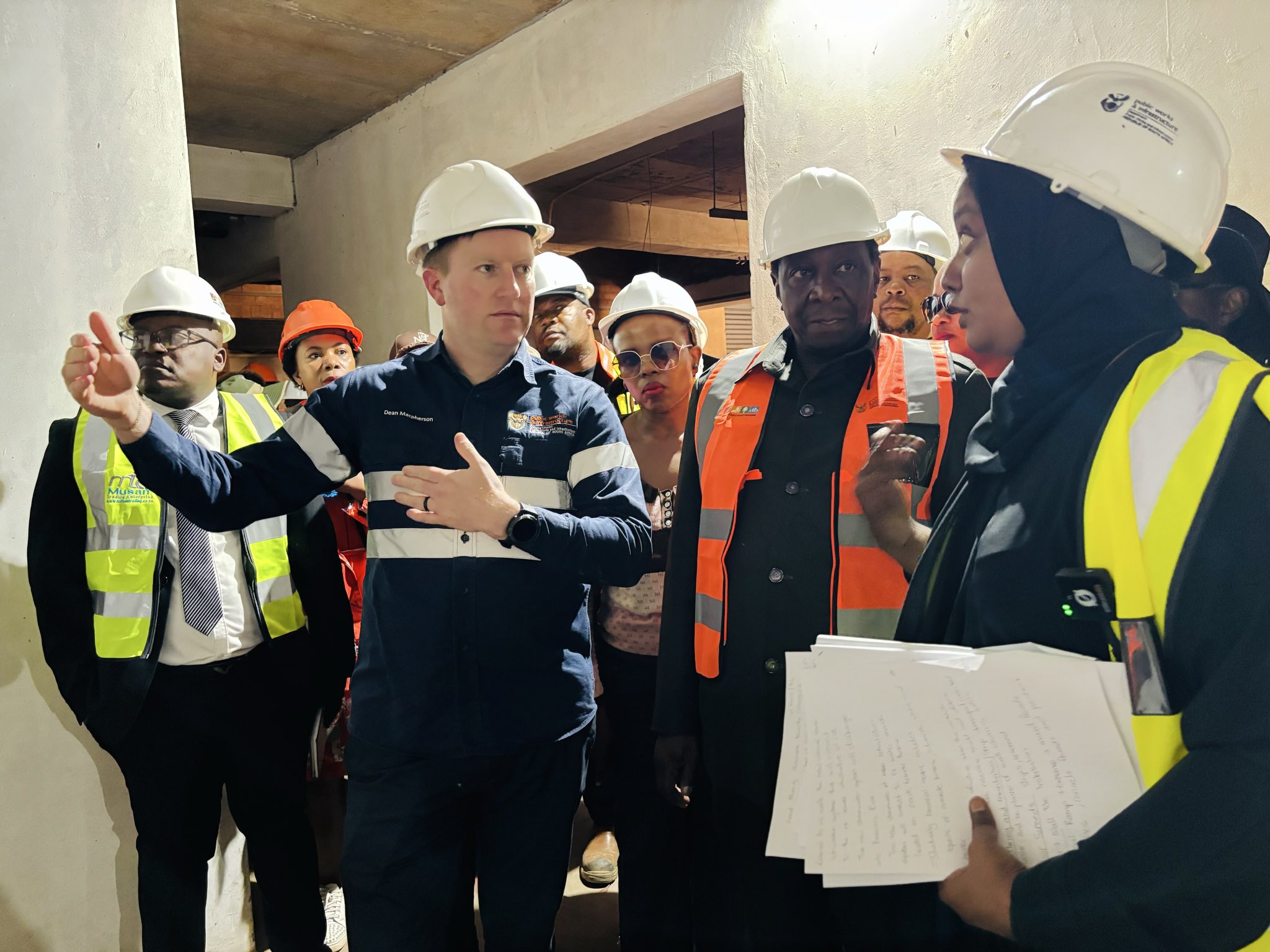
Public Works and Infrastructure Minister Dean Macpherson and Deputy Chief Justice Dunstan Mlambo recently visited the site to review progress and discuss plans. The oversight visit aimed to assess the state of construction, ensure that activities were advancing, and engage directly with stakeholders responsible for the project’s outcome.
After years as a dusty and abandoned site, the removal of rubble and active site clean-up have marked a turning point for the project. In a 2023 site inspection by then-public works minister Sihle Zikalala, estimates placed the project’s completion cost at R95 million. By October 2026, expenditure had reached nearly R164 million.
The Impact of Extortion and Criminal Disruption
The Mamelodi Magistrate’s Court project became a symbol of the challenges posed by criminal infiltration in the construction sector. Macpherson stated that despite attempts at extortion, threats, violence, and intimidation by criminal syndicates, “the building still stands.” Such disruptions, often referred to as activities of the so-called “construction mafia,” have affected multiple government projects.
According to Macpherson, a national declaration in December 2024 set forth strategies to address extortion on projects countrywide. Since then, there have been nearly 1,000 tip-offs regarding extortion, with close to 300 arrests and almost 200 convictions nationwide.
This concentrated effort has made a significant difference: while some regions, such as KwaZulu-Natal, previously faced around 60 construction stoppages per month, that number has fallen to under 10. Notably, there have been no project stoppages on public infrastructure developments this year.
Macpherson detailed the financial toll: “The expenditure to date is R163,933,686. It’s estimated community disruptions and extortion have cost us over R5 million. The estimated final cost to complete the project will be R241 million and the contractual completion is 8 October 2028.”
Prospects for Accelerated Completion
Deputy Chief Justice Dunstan Mlambo suggested that the court could be finished ahead of the two-year deadline.
“The state of the building doesn’t require two more years. I will be back here in six months,”
he stated, making clear his expectation of visible progress when he returns.
Mlambo also stressed the need to close the gaps that allowed criminal disruptions in the first place.
“It was a law enforcement issue we faced – the issue of the construction mafia infiltrating our projects and interfering with projects like this shows we need to tighten up to ensure what we’ve seen happening does not happen again.”
He reinforced the commitment to oversight: “That’s why I am returning in six months to make sure,” adding that measures would be taken to prevent future disruptions.
Operational Impacts and Looking Ahead
The repeated interruptions have created backlogs, but the judicial leadership has strived to prevent these from worsening. Despite challenging conditions, magistrates and staff have continued to work at various sites.
“The interference here has given rise to backlogs, but leadership of the magistracy have made sure that they allocate matters in such a way that backlogs don’t grow. That’s why we look forward to the court opening so we can tackle those backlogs,”
Mlambo said.
Looking forward, the completion of the Mamelodi Magistrate’s Court represents not just a crucial step for justice in the region but also a broader indication of government’s resolve to complete public infrastructure projects in the face of adversity. Authorities have demonstrated that, with concerted efforts and tightened oversight, progress is possible even after long periods of standstill.
Broader Significance: Tackling Disruption in Public Works
The challenges faced in Mamelodi are not unique, echoing broader national issues of criminal extortion affecting infrastructure projects. The government’s interventions, marked by increased law enforcement and the implementation of robust anti-extortion measures, signal a shift towards greater security and accountability for future developments.
For local communities, the anticipated opening of the new court means improved access to justice and administrative services. The project’s trajectory, after years of uncertainty, now offers a measure of hope for timely service delivery and strengthened public confidence in infrastructure delivery.
Follow Joburg ETC on Facebook, Twitter, TikTok and Instagram
For more News in Johannesburg, visit joburgetc.com
Source: citizen.co.za