News
Homelessness in Pretoria is rising, and NGOs say the safety net is tearing
Homelessness in Pretoria is rising, and NGOs say the safety net is tearing
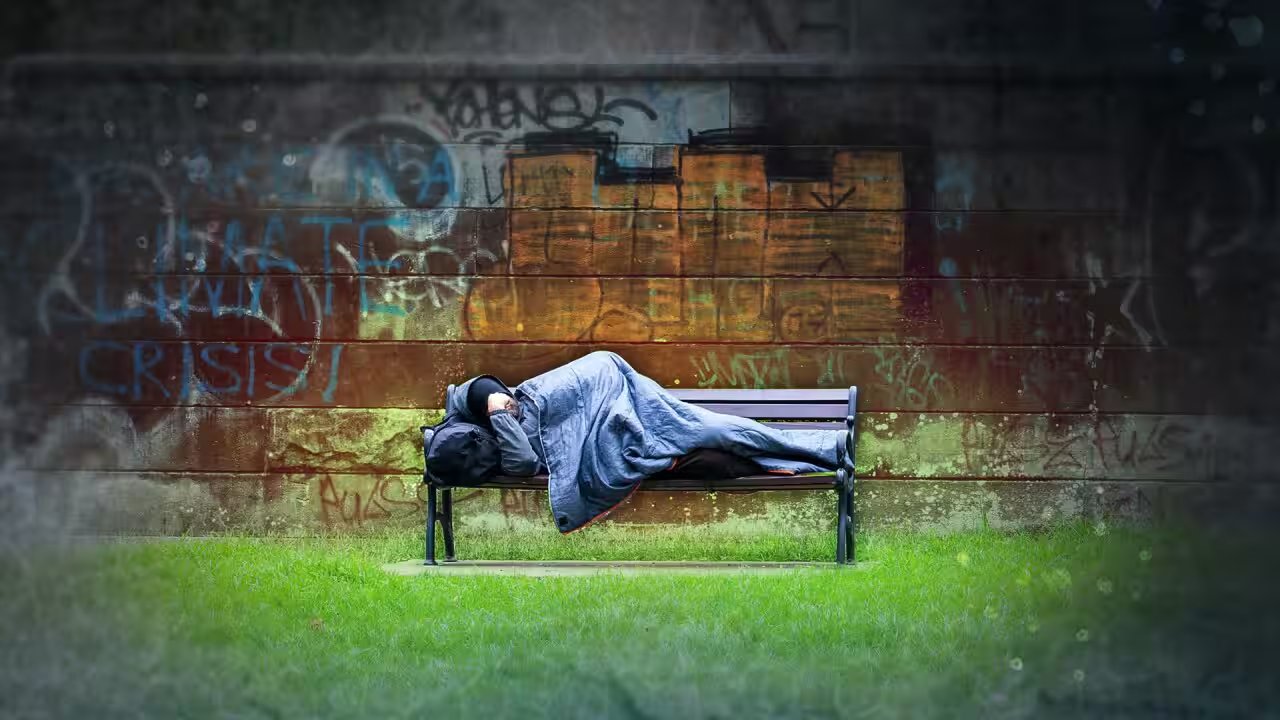
On any given evening in Pretoria Central, the pavements begin to tell their own story.
Cardboard mats appear in doorways. Blankets are shared. Plastic bags carry everything someone owns. And as the city lights flicker on, so does the quiet reality that more and more people are calling the streets home.
According to several non-governmental organisations working on the ground, the Pretoria homelessness crisis is deepening and the systems meant to cushion vulnerable residents are starting to fray.
A police officer by day, a lifeline by night
Lieutenant-Colonel Dineo Sekgotodi spends her days in uniform. But after hours, she swaps official duties for something deeply personal: feeding and supporting homeless residents around Pretoria Central.
Representing Medical and Community Chaplaincy, Sekgotodi runs her outreach initiative without a formal budget, relying largely on donations and goodwill. Recently, she and volunteers provided food to more than 50 homeless individuals at the Pretoria Central police station.
But food is only the beginning.
“Many of them don’t actually want to be here,” she explains. “They want to go home.”
She has begun compiling a database of people she meets recording names, origins and stories. Many are from other provinces such as the Free State, Eastern Cape, KwaZulu-Natal, Limpopo and Mpumalanga. Others have crossed borders from Mozambique and Zimbabwe.
For some, the dream is simple: enough help to return to where they came from.
The invisible slide into the streets
Arcadia city improvement district manager Catherine Keyworth says the shift has been unmistakable.
“There’s been a substantial change,” she notes. “The social support systems are disintegrating, especially for mentally ill people who are most at risk.”
Her observation reflects a broader concern echoed across Gauteng. Rising unemployment, shrinking incomes and escalating living costs are pushing people who once managed to survive into crisis territory.
Keyworth points to a local school feeding programme as a small but telling example. What once required 36 meals once a week now demands 45 meals three times weekly. Hunger is no longer an occasional emergency it’s becoming routine.
“People are on the edge,” she says. “You lose a job, or your hours are cut, and everything snowballs.”
For many South Africans, the traditional buffers, family support, steady employment, community safety nets, have weakened. When those guarantees fall away, homelessness can follow faster than expected.
Shelters under pressure
Wayne van Onselen of Unchain Our Children says the number of people living on Pretoria’s streets is visibly increasing. And while shelters exist, they are not nearly enough.
“Facilities are insufficient and not properly equipped,” he says. “We’re seeing more families under extreme economic pressure.”
He adds that substance abuse complicates the crisis further. Addiction can trap people in cycles that make job-seeking difficult, increasing vulnerability to crime and long-term street living. In some cases, children are affected too missing school and facing a cascade of social challenges.
The combination of poverty, mental health struggles and addiction creates what some NGOs are calling a “perfect storm.”
A city at a crossroads
Public reaction to visible homelessness is often divided. Social media discussions in local groups range from compassion and calls for donations to frustration about crime and urban decay. Some residents organise food drives; others demand stricter enforcement.
But frontline workers argue that the issue is less about enforcement and more about systemic strain.
Pretoria like many South African cities sits at the intersection of migration, unemployment and economic inequality. People arrive seeking opportunity. When it doesn’t materialise, they can find themselves stranded.
And without coordinated intervention, NGOs warn, the numbers will keep climbing.
More than handouts
For Sekgotodi, the work isn’t just about handing out meals. It’s about dignity.
She speaks with each person, listens to their story and tries to map out a path forward whether that means reconnecting with family, finding documentation, or simply restoring a sense of hope.
But she is clear about one thing: more support is needed.
“There are only a few people and organisations helping,” van Onselen echoes. “We need more.”
What happens next?
The Pretoria homelessness crisis isn’t unfolding overnight. It’s the result of layered pressures economic instability, shrinking social safety nets, mental health challenges and addiction.
The question now is whether the city, its residents and policymakers can respond before the pavements grow even more crowded.
For now, it’s chaplains, volunteers and small NGOs carrying much of the weight, one meal, one conversation, one database entry at a time.
And as Pretoria’s skyline glows each night, the quiet plea from its streets remains the same: not just for charity, but for sustainable solutions.
{Source: IOL}
Follow Joburg ETC on Facebook, Twitter , TikTok and Instagram
For more News in Johannesburg, visit joburgetc.com