Best of Johannesburg
The best neighbourhoods to explore in Johannesburg right now
Johannesburg is one of those cities that never really reveals itself all at once. You do not “do Joburg” in a single sweep. You move through it, suburb by suburb, precinct by precinct, and each one gives you a different version of the city. One corner feels polished and modern. Another is layered with memory. Another is all espresso, street art, and Sunday plans.
That is exactly what makes Joburg so rewarding in 2026. It is not a one-mood city. It is a collection of neighbourhoods, each with its own rhythm, crowd, and character.
For visitors, and even locals who want to see the city with fresh eyes, a few areas stand out right now. Some are obvious for good reason. Others feel like the kind of places you brag about knowing before everyone else catches on.
Quick guide: Johannesburg’s neighbourhoods at a glance
| Neighbourhood | What it’s known for | Best for |
|---|---|---|
| Rosebank | Art galleries, markets, Gautrain access | Shopping, dining and easy exploring |
| Maboneng | Street art, Market on Main, creative spaces | Urban culture, photography and markets |
| Soweto | Vilakazi Street, Mandela House, heritage sites | History and guided cultural tours |
| Linden | Independent cafés, bakeries and boutiques | Relaxed weekend exploring |
| Parkhurst | 4th Avenue restaurants and lifestyle strip | Brunch, cafés and boutique shopping |
| Melville | 7th Street cafés and Melville Koppies reserve | Bohemian atmosphere and nature |
| Braamfontein | Wits Art Museum and student culture | Art, cafés and weekend markets |
| Newtown | Market Theatre and heritage institutions | Theatre, museums and culture |
Rosebank: the polished all-rounder
If you want a neighbourhood that makes Johannesburg feel easy, start in Rosebank.
This is one of the city’s most walkable lifestyle hubs, and that alone gives it an edge. You can browse galleries, stop for coffee, head into a mall, and dip into a market and still feel like the day has room to breathe. Keyes Art Mile remains one of the area’s big drawcards, giving Rosebank a proper art and design pulse rather than just a shopping reputation.
There is also a practical reason many first-time visitors gravitate here. Gautrain access makes Rosebank one of the more convenient bases in the city, especially for people moving between the airport, Sandton, and central nodes. In a city where transport planning matters, that is no small thing.
Rosebank also carries that mix Joburg does so well when it is at its best: sleek on the surface but still rooted in local texture. The Sunday market adds some of that energy, with food, finds, and the kind of people-watching that turns a simple outing into an event.
Maboneng: where Johannesburg wears its creativity loudly
Maboneng still has that cinematic pull. Warehouses, murals, rooftop energy, creative spaces, food, design, and the feeling that the city is talking back through its walls.
For many people, this is the Johannesburg they post online. Bright street art, industrial backdrops, and Market on Main have helped make Maboneng one of the city’s most recognisable urban precincts. But beyond the visuals, it remains one of the clearest examples of inner-city reinvention in Joburg.
There is a reason it keeps showing up on neighbourhood must-visit lists. It feels alive. You can wander into galleries, stop for a bite, catch the mood of the street, and get a sense of the city’s creative edge all in one place.
Maboneng is often recommended as a daytime visit, especially for travellers who are not familiar with central Johannesburg. It is generally best to explore the busy, well-known parts of the precinct and use trusted transport.
Soweto: the neighbourhood that carries the country’s memory
No list like this is complete without Soweto, because Soweto is not just another stop on the map. It is one of the most important places in South African history.
Vilakazi Street remains the emotional centrepiece for many visitors. It is known around the world for its connection to both Nelson Mandela and Archbishop Desmond Tutu, and Mandela House continues to be one of the city’s most meaningful heritage sites. Nearby, the Hector Pieterson Memorial anchors the story of the 1976 uprising in a way that still lands heavily, no matter how much you think you already know.
What makes Soweto powerful is that it is not frozen in history. It is lived-in, busy, social, and proudly itself. That contrast is part of the experience. You are not stepping into a museum piece. You are stepping into a place where memory and daily life sit side by side.
Guided tours remain one of the best ways to explore Soweto well, especially if you want context rather than just photographs.
Linden: the suburb that keeps getting cooler
Linden has moved far beyond under-the-radar status. By now, its reputation is established.
The suburb has earned growing international attention, including a place on Time Out Johannesburg’s 2025 coolest neighbourhoods list, and the reason is easy to understand. Linden feels local in the best possible way. Independent bakeries, cafés, neighbourhood restaurants, and creative small businesses give it a warmth that bigger, shinier nodes often struggle to manufacture.
This is where Joburg slows down a little. Not in a sleepy way, but in a more grounded, liveable one. The appeal is not one giant attraction. It is the overall atmosphere. You go for breakfast, linger over coffee, browse a shop you did not plan to enter, and suddenly half the day is gone.
The Linden Market has also helped strengthen the area’s wider reputation for community-driven events and local makers, although the market itself takes place at the Johannesburg Botanical Gardens in nearby Emmarentia.
Parkhurst: brunch, boutiques, and a very Joburg kind of charm
If Rosebank is sleek and Linden is mellow, Parkhurst lands somewhere in the middle with plenty of personality.
4th Avenue remains its beating heart, lined with restaurants, cafés, design stores, and independent shops that make strolling feel like the whole point. It is one of those neighbourhoods where you can arrive without a rigid plan and still leave feeling like you had a proper day out.
Parkhurst is widely known for its pavement dining and relaxed weekend atmosphere. It is polished without feeling cold, busy without being overwhelming, and stylish without trying too hard.
There is also something distinctly Joburg about Parkhurst. It has the leafy, residential backdrop people love in the city’s northern suburbs, but it still knows how to feel social and lively.
Melville: old soul, strong character
Melville has changed over the years, but it has never lost its identity.
This is still one of Johannesburg’s most bohemian corners, best known for 7th Street, used bookstores, quirky cafés, and that slightly scruffy, artistic charm that loyal fans would never want polished away. Melville does not feel manufactured, and that is part of why people keep returning to it.
One of the suburb’s biggest strengths is that it mixes urban energy with nature. Melville Koppies remains one of the most distinctive green escapes in Johannesburg, offering trails, heritage value, and skyline views that remind you how dramatic this city can look from a ridge. Parts of the reserve are open daily, while other sections have controlled access on specific days.
Melville will not be for everyone, and that is exactly the point. It has character. In an age of copy-and-paste lifestyle districts, that counts for a lot.
Braamfontein and Newtown: for the culture seekers
Some neighbourhoods are best for eating. Some are best for shopping. Braamfontein and Newtown attract visitors interested in Johannesburg’s cultural life.
Braamfontein remains youthful and creative, shaped in large part by its proximity to Wits University. Wits Art Museum is one of the area’s anchors, giving the neighbourhood strong artistic credibility alongside its café and student energy. Weekend market culture also forms part of the area’s appeal.
Newtown brings in the heritage and performance side of the equation. The historic Market Theatre and heritage institutions such as Museum Africa have long contributed to the district’s role in Johannesburg’s cultural story. This is the kind of area that rewards curiosity. You come for a show, an exhibition, or a museum visit and end up understanding Johannesburg a little better.
These are not always the first neighbourhoods casual travellers put on their list, but they remain important pieces of the city’s cultural landscape.
So where should you start?
That depends on what kind of Johannesburg you want.
If you want comfort, convenience, and a good all-round base, Rosebank is a strong place to begin. If you want creative city energy, Maboneng and Braamfontein offer plenty to explore. If you want the story of South Africa written into the streets, Soweto is essential. If you want cafés, independent spots, and a more local weekend feel, Linden and Parkhurst make a strong case. If you want bohemian character with some edge, Melville continues to attract curious wanderers.
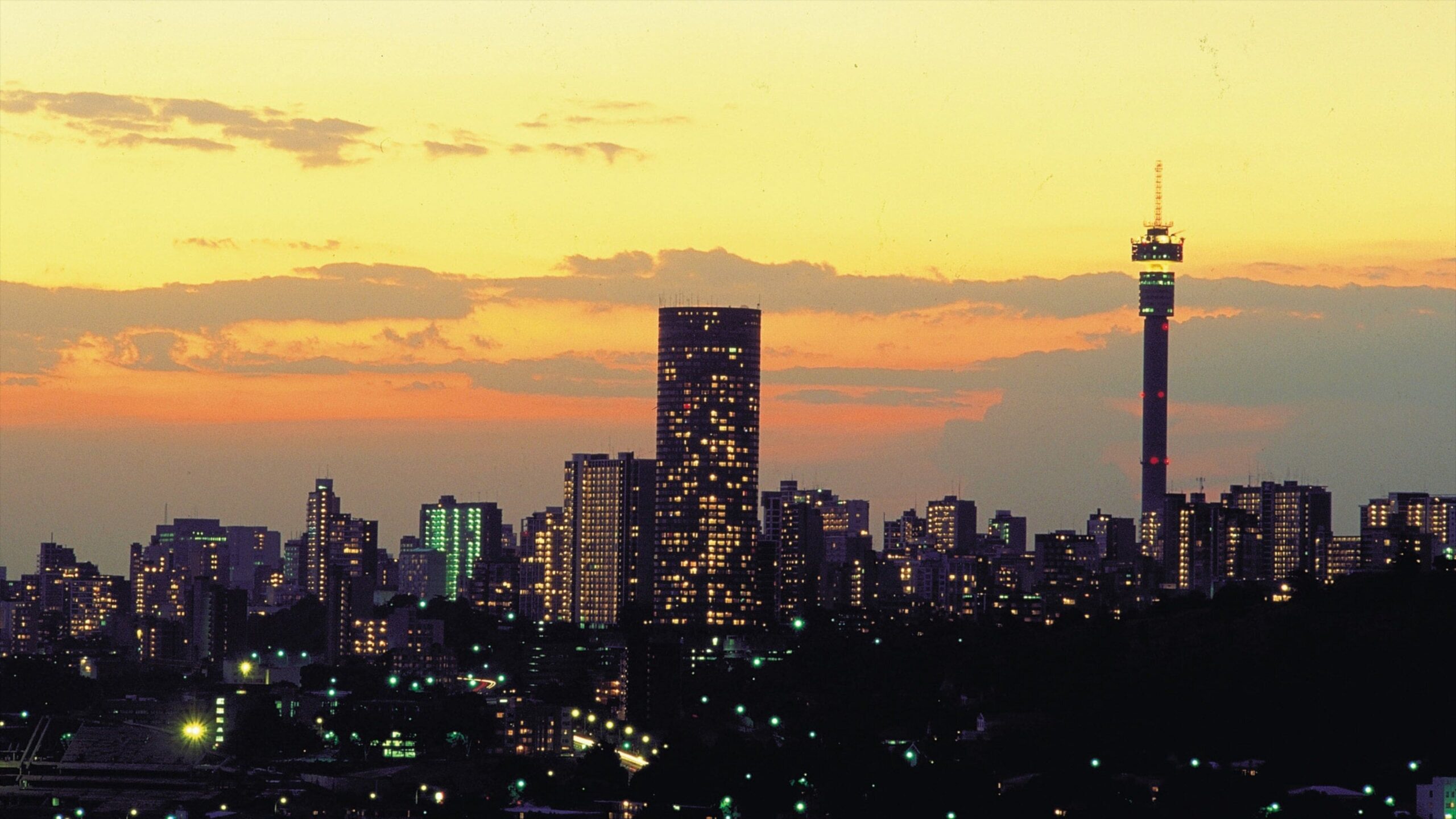
What makes Joburg special in 2026 is that none of these neighbourhoods cancel one another out. Together, they explain the city better than any single skyline photo ever could.
This is a city of reinvention, memory, hustle, art, appetite, and contradiction. The best way to understand it is to explore it one neighbourhood at a time.
Also read: Johannesburg Earns A Spot Among The World’s Best Cities To Raise A Family
Follow Joburg ETC on Facebook, Twitter, TikT
For more News in Johannesburg, visit joburgetc.com
Featured Image: Expedia.co.id