Trump insists he can still impose tariffs despite Supreme Court setback
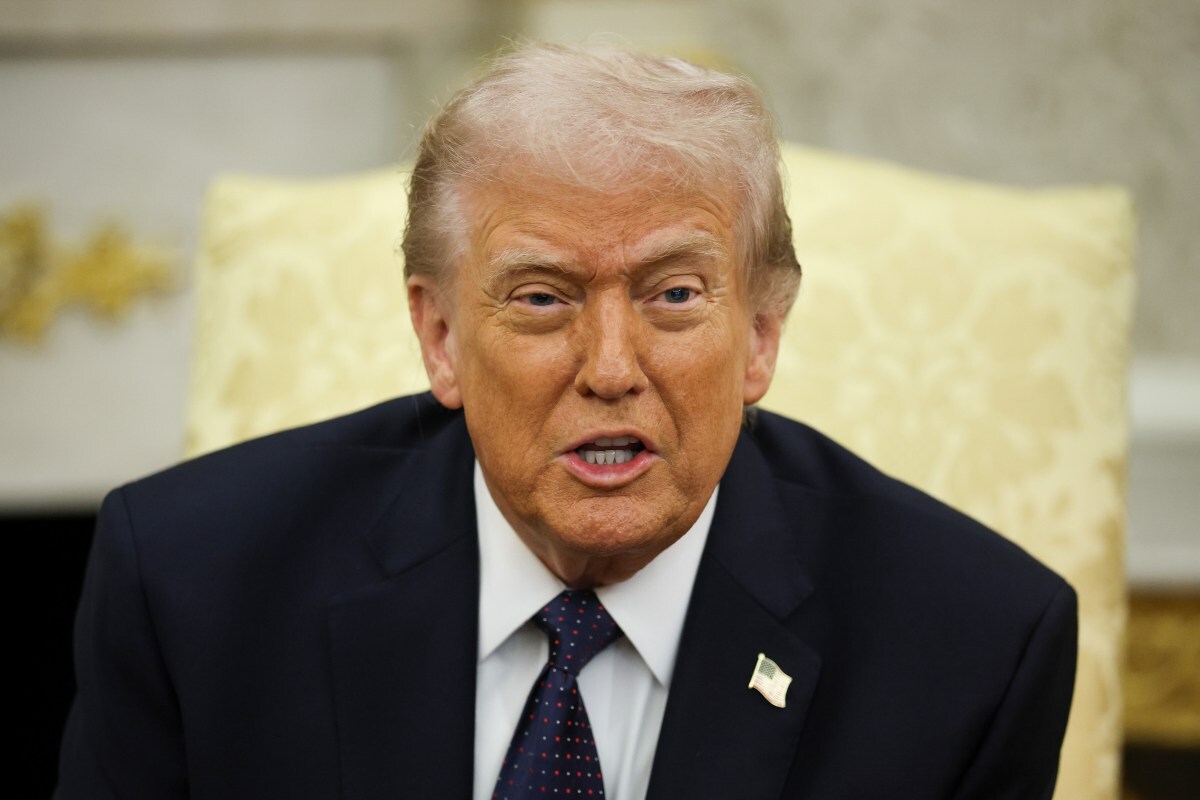
A fresh chapter in the global trade saga unfolded over the weekend after Donald Trump declared he still has the power to impose tariffs on foreign goods even after a ruling by the Supreme Court of the United States struck down his sweeping global duties.
The US president took to Truth Social on Sunday, insisting that the court’s decision would not stop his administration from pursuing aggressive trade measures.
According to Trump, tariffs may simply take a different form.
His message was clear: the fight over trade policy is far from over.
A tariff workaround after the court ruling
Not long after the Supreme Court’s decision last month, Trump signed an executive order imposing a 10% tariff on US imports.
He argued that the ruling did not remove his authority entirely, and suggested his administration could still pursue duties through other legal channels.
In his social media post, Trump said he has the “absolute right” to charge tariffs in another form and indicated that the process has already begun.
For businesses that rely heavily on international supply chains, the move has injected another layer of uncertainty into global trade.
Trade investigations widen to dozens of economies
At the same time, Washington has launched new trade investigations into about 60 economies, including China, the European Union and Japan.
These probes will examine whether countries are failing to act against forced labour practices and whether their policies unfairly restrict US commerce.
Trade analysts say the investigations could open the door to new tariffs or restrictions if the US determines that certain countries violate trade standards.
The timing is notable: the investigations landed just as Washington and Beijing returned to the negotiating table.
China pushes back as talks resume
Officials from the United States and China met in Paris for a new round of trade negotiations expected to run for two days.
But even before talks got underway, tensions were already visible.
China’s commerce ministry accused Washington of launching “unilateral, arbitrary and discriminatory” investigations.
Beijing also urged the US to “immediately correct its erroneous ways”, warning that the probes appear designed to create new trade barriers.
For observers of the long-running trade rivalry between the two economic giants, the exchange felt familiar another round in a dispute that has shaped global markets for years.
Trump lashes out at judges and central bank leadership
Trade policy wasn’t the only issue on Trump’s mind over the weekend.
In a separate social media post, the president criticised James Boasberg, a federal judge who blocked subpoenas linked to an investigation into Jerome Powell, the chair of the Federal Reserve.
The investigation focused on costs associated with renovations to the Fed’s headquarters.
Trump accused the judge of acting politically rather than legally.
The criticism fits into a broader pattern of tensions between the president and the central bank. Trump has repeatedly attacked Powell’s economic policies and called for lower interest rates, arguing they would boost growth.
A broader clash with the courts
Trump’s frustration has also extended to other legal battles involving his administration.
Earlier this year, the Supreme Court signalled doubts about efforts to remove Federal Reserve governor Lisa Cook from her position.
Several justices suggested the administration had not shown sufficient cause to dismiss her.
Trump responded by blasting the judiciary in his weekend post, claiming the court was undermining the country’s economic interests.
Why the tariff fight matters globally
While the political drama is unfolding in Washington, the consequences could ripple far beyond the United States.
Tariffs can reshape global supply chains, raise prices on imported goods and strain diplomatic relationships.
Countries that rely heavily on exports to the US including some emerging economies are watching the developments closely.
Even consumers in distant markets can feel the effects, as tariffs often translate into higher costs for products ranging from electronics to vehicles.
The bigger picture: trade tensions aren’t going away
If anything, Trump’s latest comments suggest the battle over tariffs is entering a new phase.
The Supreme Court ruling may have slowed his original plan, but the administration appears determined to pursue alternative routes.
Meanwhile, negotiations with China are continuing though few analysts expect a quick breakthrough.
For businesses and governments alike, one reality is becoming clear: the global trade landscape is still shifting, and the uncertainty isn’t going away anytime soon.