As frustration over illegal immigration continues to simmer across parts of South Africa, President Cyril Ramaphosa has stepped in with a firm message: anger cannot be allowed to turn into xenophobia.
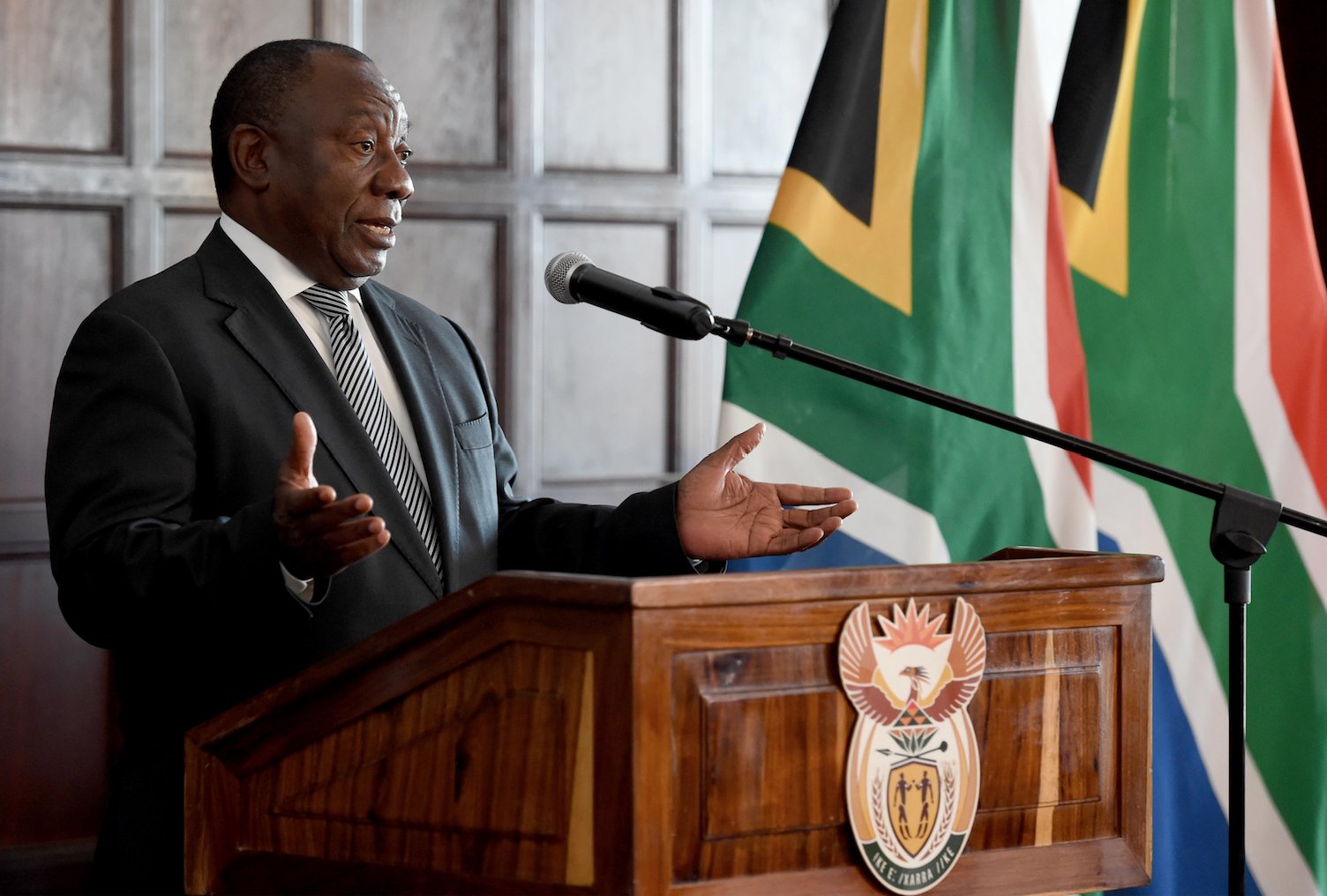
Speaking during his Freedom Day address in Bloemfontein, the president acknowledged the growing unease in communities, but warned against directing that frustration at foreign nationals.
Immigration Concerns Reach A Boiling Point
In recent weeks, tensions have spilled into the streets, particularly in KwaZulu-Natal and the Eastern Cape. Anti-immigration protests have gained momentum, with some turning volatile and resulting in confrontations involving foreign nationals, many of them from other African countries.
The situation has drawn concern from authorities, with both KwaZulu-Natal Police Commissioner Nhlanhla Mkhwanazi and acting Police Minister Firoz Cachalia condemning the violence and urging calm.
This wave of unrest reflects a deeper frustration that has been building in communities grappling with unemployment, service delivery pressures and economic strain. Immigration often becomes a flashpoint in these conditions, even though the issues are far more complex.
Ramaphosa Appeals To Ubuntu And History
Against this backdrop, Ramaphosa used his Freedom Day platform to remind South Africans of the country’s past and the role international solidarity played in securing democracy.
He stressed that while concerns about illegal immigration are valid, they should never be allowed to breed hatred or prejudice. Instead, he called for the law to be applied consistently and fairly.
The president leaned on the principle of ubuntu, urging citizens to hold onto values of humanity and shared African identity rather than turning against one another.
It was a message rooted in history. During apartheid, South Africa received support from across the continent and beyond, something Ramaphosa suggested should not be forgotten in today’s debates.
A Different Tone From Coalition Partners
While the president struck a conciliatory tone, Velenkosini Hlabisa, leader of the Inkatha Freedom Party and a key figure within the Government of National Unity, offered a more urgent and hardline perspective.
Speaking at a separate Freedom Day event in Westonaria, Hlabisa warned that the issue of illegal immigration is nearing a breaking point. He pointed to ongoing protests as a sign that tensions could escalate further if not addressed decisively.
Hlabisa maintained that undocumented foreign nationals without specialised skills should return to their home countries, reinforcing his party’s long-standing stance on immigration control.
A Balancing Act For Government
The contrasting tones highlight the delicate balancing act facing the Government of National Unity. On one hand, there is mounting public pressure to address illegal immigration. On the other, there is a constitutional and moral obligation to prevent discrimination and violence.
For many South Africans, the conversation around immigration is no longer abstract. It is tied to daily struggles around jobs, safety and access to resources.
Ramaphosa’s message suggests that while enforcement of immigration laws is necessary, it must be handled in a way that does not fracture communities or undermine the country’s democratic values.
As protests continue to surface, the challenge for leadership will be finding a path that addresses concerns without allowing them to spiral into division.