News
US ‘forced labour’ probe targeting 60 economies puts South Africa under pressure
A new trade investigation launched by the United States has placed South Africa and nearly sixty other economies under scrutiny, sparking concern among economists and trade watchers about what might come next.
The probe focuses on whether countries are doing enough to stop goods produced with forced labour from entering their markets. On the surface, the investigation appears to be about labour standards. But many analysts believe the move could also open the door to new tariffs and trade pressure from Washington.
For South Africa, the stakes could be significant.
A sweeping investigation into global trade
Earlier this week, the Office of the US Trade Representative announced a Section 301 investigation targeting about sixty economies. The list includes major global partners such as China, India, Japan, Brazil, Canada, Mexico, Israel, and the European Union, along with several African and Middle Eastern economies, including South Africa, Nigeria, Egypt, and Saudi Arabia.
The investigation aims to determine whether these countries are adequately enforcing bans on goods made with forced labour. According to US officials, weak enforcement creates an unfair advantage for foreign producers and harms American industries.
If the investigation concludes that certain countries are failing to act, the United States could impose new tariffs or trade restrictions.
This comes at a sensitive time in global trade. Temporary worldwide tariffs of ten percent are already in place but are scheduled to expire on 24 July 2026. The new probe is widely seen as a possible pathway for the US to maintain pressure once those tariffs fall away.
Why experts believe tariffs may follow
Some international relations analysts say the investigation should be viewed in the broader context of US economic strategy.
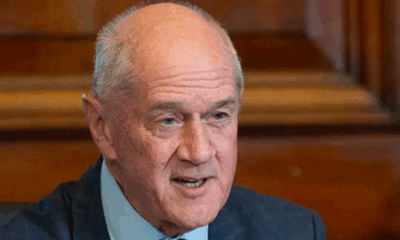
Professor Theo Neethling explains that tariff pressure has been a central part of US policy aimed at strengthening domestic manufacturing and reducing reliance on imports. The goal is to bring production and jobs back to the United States, a core idea behind the “Make America Great Again” agenda.
Under this approach, tariffs are used to make imported goods less competitive and encourage companies to produce goods within the US.
Neethling believes it is still unclear whether the strategy will succeed. At this stage, he suggests, it may prove difficult to reshape global trade flows in the way Washington hopes.
Professor Kgothatso Shai shares a similar view, suggesting the investigation could serve as groundwork for future commercial bans or trade restrictions against countries that do not align with US foreign policy priorities.
South Africa’s delicate position
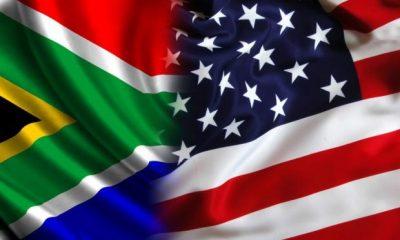
South Africa’s inclusion in the probe adds another layer to already strained relations with Washington.
Tensions have grown in recent years over several issues, including South Africa’s participation in the BRICS bloc and its role in the International Court of Justice case concerning Israel and Gaza. These developments have drawn criticism from US policymakers and commentators.
Trade ties have also come under pressure. In April 2025, the United States introduced a thirty percent reciprocal tariff on South African exports. Certain strategic minerals, such as platinum and titanium, were exempted because they are vital to the US automotive industry. However, manufactured goods, including vehicles, and agricultural products such as citrus and grapes have been hit hard, with exports declining sharply.
The US administration also signed an executive order suspending financial assistance to South Africa, affecting programmes such as PEPFAR, a major HIV and AIDS support initiative.
Now, the forced labour probe could become another flashpoint in the relationship.
What happens next
The investigation will move forward through a public consultation process. Written submissions must be filed by 15 April, and hearings connected to the probe are scheduled for 28 April.
Governments, businesses, and trade bodies from the affected countries will have the opportunity to present evidence or defend their policies.
For South Africa, the outcome could influence its future access to American markets and potentially affect its eligibility for AGOA trade benefits, which already face political scrutiny in Washington.
Officials from the Department of International Relations and Cooperation and the Department of Trade, Industry and Competition have not commented publicly on the investigation so far.
A global trade debate that is only beginning
Beyond the immediate politics, the probe raises a bigger question about the future of global trade.
Supporters argue that stronger enforcement against forced labour is necessary to protect workers and ensure fair competition. Critics believe the investigation could become another tool in a growing wave of protectionist trade policies.
Either way, the coming months will be closely watched in capitals around the world.
For South Africa, the outcome could influence everything from export growth to diplomatic relations with one of its largest trading partners.
Follow Joburg ETC on Facebook, Twitter, TikT
For more News in Johannesburg, visit joburgetc.com
Source: IOL
Featured Image: EasternEye